
Tag: web
-
You don't have to blog like me
You don't have to have a blog like me. You just need to blog. Blog blog blog. Blog possibly should not be used as a verb, as I blog about here.
-
What Was Matt Thinking?
Ernie Smith from Tedium wrote about Matt's Script Archive, which back in the 1990s was a big part of how and why I learned to code in Perl. Let's take a trip down memory lane...
-
Setting the width of selects to the width of the selected option
Sometimes a new CSS feature comes along and I immediately "get it". Like: that's a cool new feature, I can already see how it'll save me time, or make things simpler, or improve accessibility, or allow me to do something new. Other times...
-

Ad Infinitum
An excellent article by Matthias Ott describes Google's promised AI-first search experience, which dispenses with search results entirely and just uses an LLM (plus sponsored content seamlessly woven in), keeping you entirely within the search giant's ecosystem and minimising how much they cite their sources. As you might imagine, I have some Opinions too.
-
This morning I had a lovely meeting with Andreas Marakis, who's researching the sociological impact of the Web of the 1990s on people who experienced it first-hand.
I'm seeing more and more interest in this period - even, surprisingly, among people too young to be nostalgic about it - as the countercultural "web renaissance" tiptoes out of the shadows and encourages newcomers to take their first steps in building their own Web identity with HTML, CSS, and (maybe) JavaScript.
Anyway: chatting to Andreas was great and it reminded me of quite how grateful I am to have gotten to experience a lot of these seminal technologies when they were at their newest and most-experimental.
-
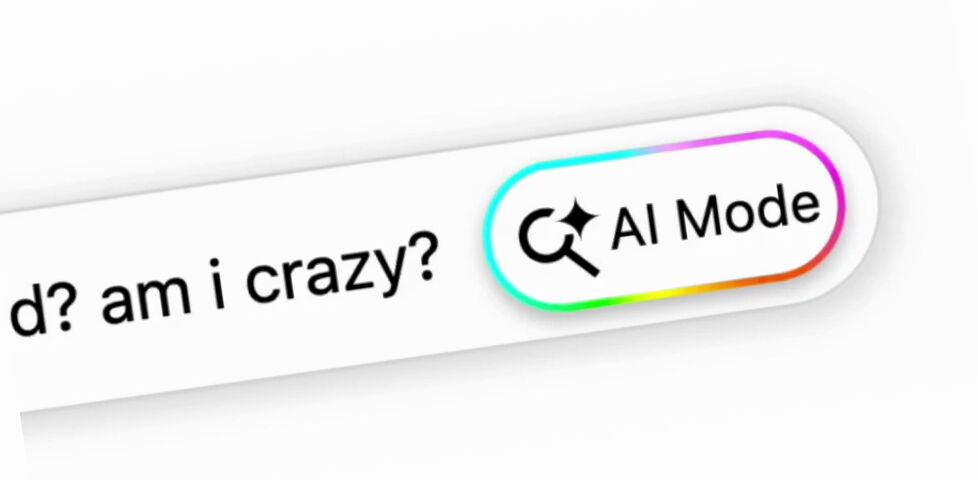
So Unbelievable it Sounds Like you Googled It
DeGoogling is so... 2010s. Let's make the 2020s the decade where we redefine Google as a verb. In the age of AI-first search, "to Google" now ought to give a nod to the accuracy and ethical issues posed by making AI into people's first experience of Web search.
-
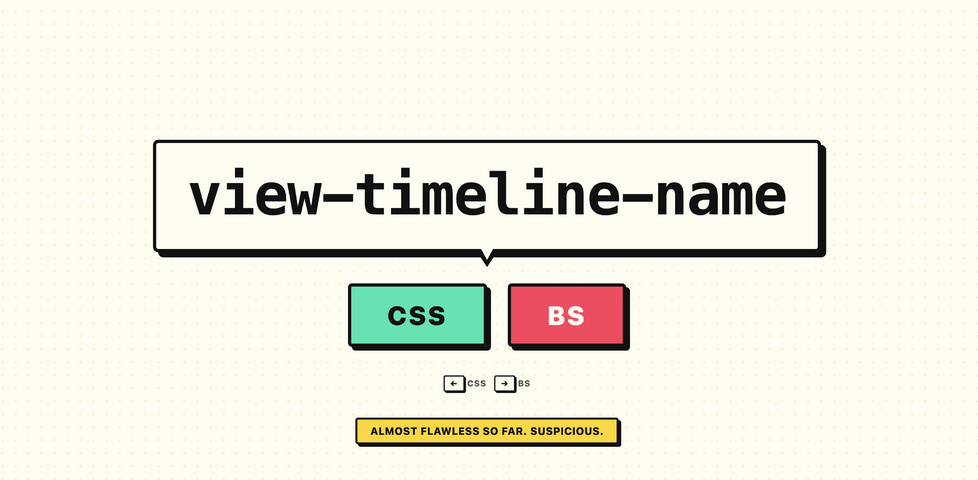
CSS or BS
Keith Cirkel's made a game where you have to identify if something is a CSS property or a convincing fake. How's your CSS knowledge?
-
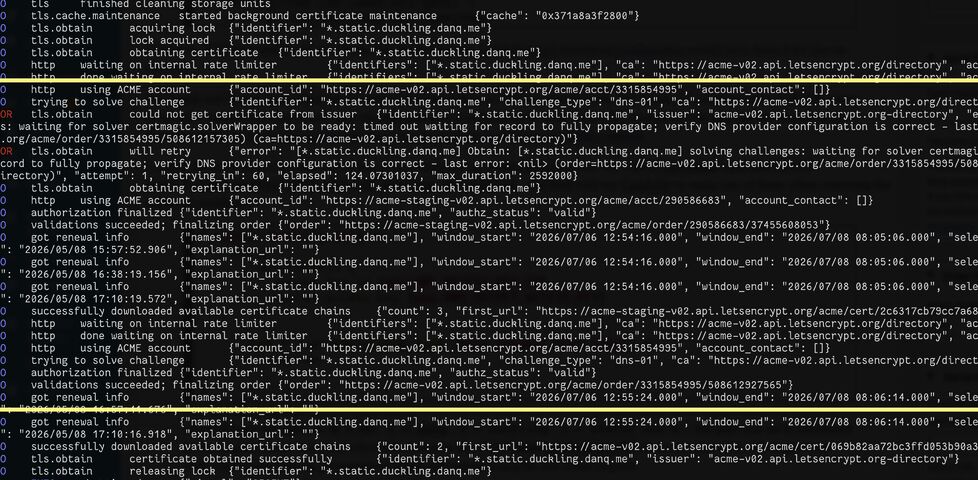
Dynamically-Deployed Static Site Subdomains on Caddy
Continuing my effort to find a way to serve my various static sites that meets my need for ease-of-use and low-maintenance, I configured a wildcard Caddy server with webhook-based monitoring of a GitHub repository. Here's how it works...
-

Moving a static site from GitHub to Codeberg Pages
I was recently reminded that I wanted to try out Codeberg Pages, so I migrated a static site over from GitHub Pages. It mostly worked, and a learned a little along the way about how Codeberg Pages works.
-
Predictions in a Hat
Two decades ago this month my friend Matt posted five predictions about the future of the world. I've revisited these predictions twice since: ten years later and twenty years later, and "scored" his predictions both times.
I love that the Web's memory (and the persistence of URLs) makes this kind of long-term conversation possible. -

A Random List of Silly Things I Hate
Just a list of eleven random silly things that I hate, to various degrees.
-
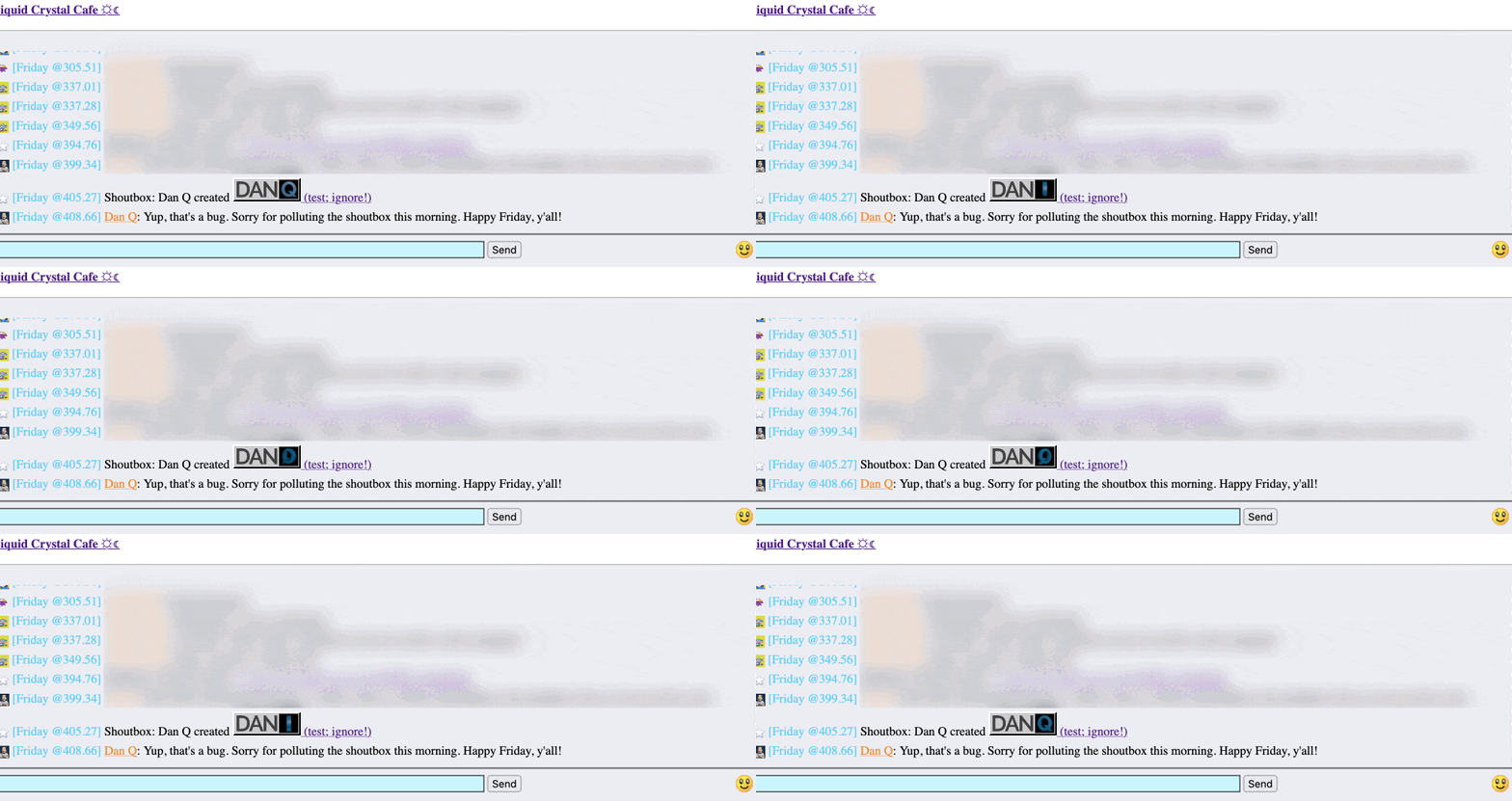
Why Security Engineering needs a Hacker Mentality
Security engineering is about a lot of things, but the best security engineers show the 'hacker mindset' characteristics of curiosity and imagination. Here's an example of how I found an XSS vulnerability in a forum, mostly by accident, and how curiosity was the key.
-
I Am Experimenting with Blocking HTTP1.1
Andrew Stephens has added Caddy configuration to prohibit HTTP/1 clients from accessing most of the pages of his website. I decided to probe it and see how that works.
-
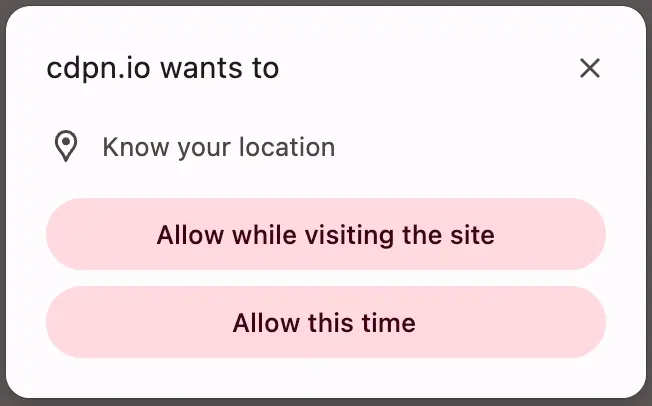
Introduction to the new HTML element 'geolocation'
Manuel Matuzović has done a nice write-up on HTML's new 'geolocation' element. It's not exactly what I'd have implemented, but its still an improvement upon the established geolocation API.
-
Highlight of my workday was debugging an issue that turned out to be nothing like what the reporter had diagnosed.
The report suggested that our system was having problems parsing URLs with colons in the pathname, suggesting perhaps an encoding issue. It wasn't until I took a deep dive into the logs that I realised that this was a secondary characteristic of many URLs found in customers' SharePoint installations. And many of those URLs get redirected. And SharePoint often uses relative URLs when it sends redirections. And it turned out that our systems' redirect handler... wasn't correctly handling relative URLs.
It all turned into a hundred line automated test to mock SharePoint and demonstrate the problem... followed by a tiny two-line fix to the actual code. And probably the most-satisfying part of my workday!