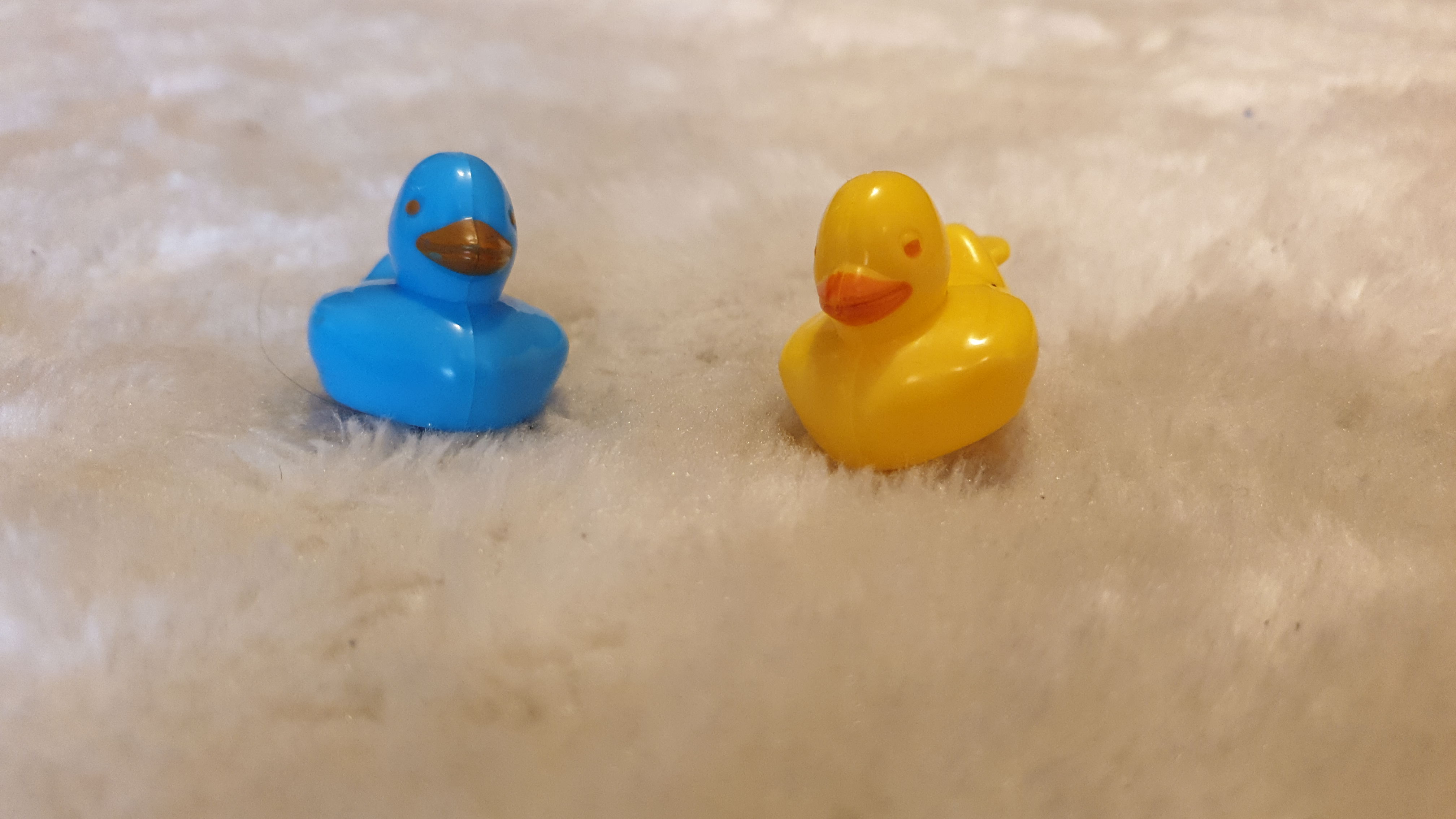
Added more-waterproof cache container. Improved clue. Note that old cache container may still be in place: wasn’t able to find it and was being watched by muggles; I’ll return to
re-hunt for and remove the old container soon.
At last week’s Rocky Mountain Poly Living conference in Denver, Leanna Wolfe — a poly
anthropologist and sexologist active in the movement almost since its birth in the 1980s — spoke on what she called the three historical stages of polyamory in Western culture.
Her Stage 1 was mostly male-centric (my paraphrase). She described it as running through the Oneida Colony and other utopian communities of the 19th century through the free-love
beliefs and attitudes that exploded in the 1960s.
Stage 2 has been what we call the modern poly movement: strongly feminist in its origins and growth, born in the mid-1980s and running until more or less now. Its founders,
organizers, media spokespeople, bloggers, podcasters, book authors and opinion leaders have been mostly women (the ratio by my count is about 3 to 1). Its ideology has been
gender-egalitarian, communication-centric, and consent-based since before consent culture was a thing. Like Stage 1, Stage 2 has been something of a counterculture that sees itself
apart from mainstream society.
The current Stage 3 is the mainstreaming of consensual non-monogamy (CNM) in its many forms, including polyamory, into the general culture. This shift is well under way and bodes to
take over the conversation in coming years — for better and for worse, as I’ve been speechifying about since 2008.
…
Does this make those of us who’ve been doing polyamory for ages “poly hipsters”?
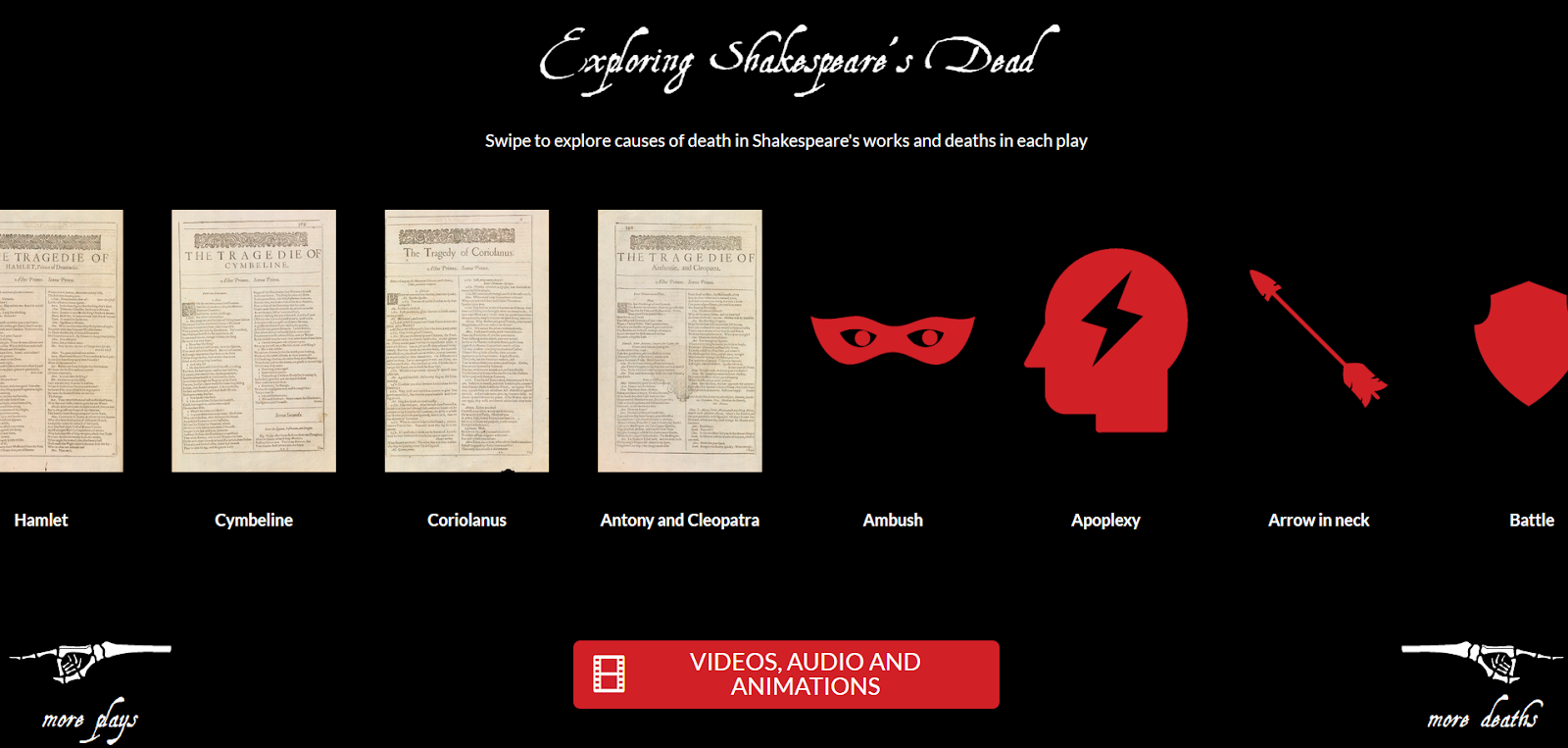
The Bodleian Digital Comms team is no stranger to developing out of the ordinary content. Want to represent all of the varied and gruesome deaths in Shakespeare in a fun and
engaging way? We’re on it!
We manage almost all of the Libraries’ public facing digital ‘stuff’, from our main websites to social media and digital signage. When we tot it all up, it’s over fifty websites, a
similar number of blogs, the full range of social media platforms, more than twenty digital screens, a handful of interactive experiences a year, plus…well, not actually a partridge
in a pear tree, but there areunicorns in arks.
From ambush to war crimes, a chance to delve into death in Shakespeare’s works, and to think about how it differed from
the reality
Whatever the platform, our team’s focus is on finding ways to engage the Libraries’ audiences — whether students, researchers, tourists or those around the globe who can’t actually
visit in person — with our work and our collections.
From a G7 meeting of interior ministers in Paris this month, an “outcome document“:
Encourage Internet companies to establish lawful access solutions for their products and services, including data that is encrypted, for law enforcement and competent authorities
to access digital evidence, when it is removed or hosted on IT servers located abroad or encrypted, without imposing any particular technology and while ensuring that assistance
requested from internet companies is underpinned by the rule law and due process protection. Some G7 countries highlight the importance of not prohibiting, limiting, or weakening
encryption;
There is a weird belief amongst policy makers that hacking an encryption system’s key management system is fundamentally different than hacking the system’s encryption algorithm.
The difference is only technical; the effect is the same. Both are ways of weakening encryption.
The G7’s proposal to encourage encryption backdoors demonstrates two unsurprising things about the politicians in attendance, including that:
They’re unwilling to attempt to force Internet companies to add backdoors (e.g. via legislation, fines, etc.), making their resolution functionally toothless, and
More-importantly: they continue to fail to understand what encryption is and how it works.
Somehow, then, this outcome document simultaneously manages to both go too-far (for a safe and secure cryptographic landscape for everyday users) and not-far-enough (for law enforcement
agencies that are in favour of backdoors, despite their huge flaws, to actually gain any benefit). Worst of both worlds, then.
Needless to say, I favour not attempting to weaken encryption, because such measures (a) don’t work against foreign powers, terrorist groups, and hardened criminals and (b)
do weaken the personal security of law-abiding citizens and companies (who can then become victims of the former group). “Backdoors”, however phrased, are a terrible idea.
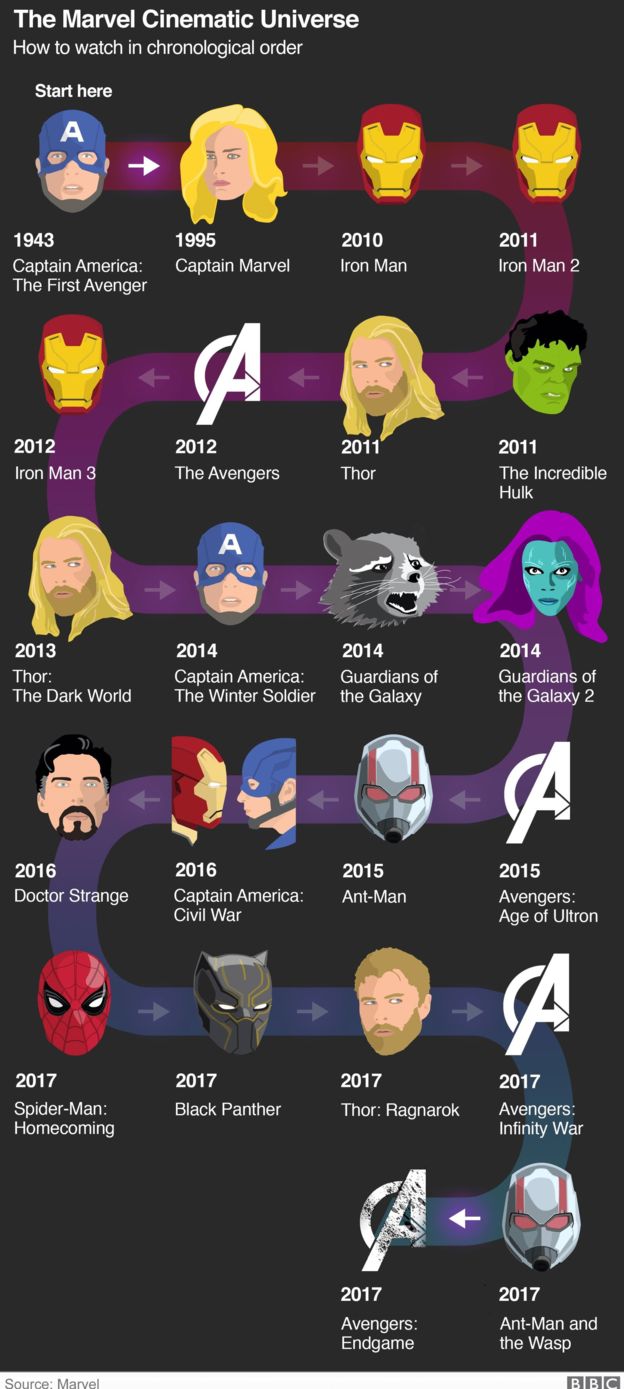
Who’s for a rewatch of the entire Marvel Cinematic Universe, in the “correct” order, before Endgame? No?
The thinking behind this infographic (and in particular the shuffling of Ant-Man and the Wasp behind Infinity War) is like an even bigger, possibly-nerdier
variant of the kind of thinking that lead to Star Wars – Machete Order.
As I’ve previously mentioned (sadly), Microsoft Edge is to drop its own rendering engine EdgeHTML and replace it with Blink, Google’s one (more
of my and others related sadness here, here, here, and here). Earlier this month, Microsoft made available the first prerelease versions of the browser, and I gave it a go.
At a glance, it looks exactly like you’d expect a Microsoft reskin of Chrome to look, right down to the harmonised version numbers.
All of the Chrome-like features you’d expect are there, including support for Chrome plugins, but Microsoft have also clearly worked to try to integrate as much as possible of the
important features that they felt were distinct to Edge in there, too. For example, Edge Blink supports SmartScreen filtering and uses Microsoft accounts for sync, and Incognito is of
course rebranded InPrivate.
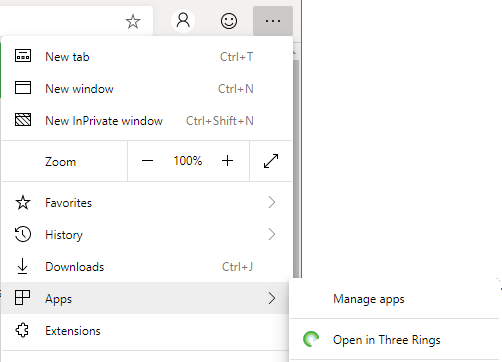
But what really interested me was the approach that Edge Dev has taken with Progressive Web Apps.
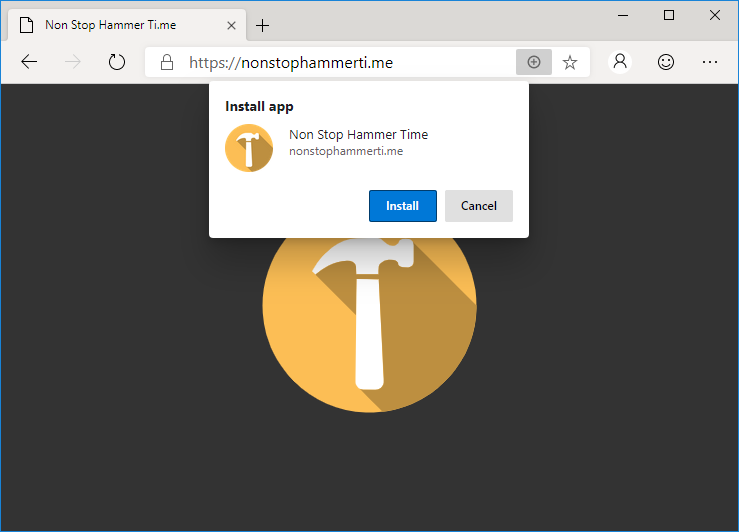
NonStopHammerTi.me might not be the best PWA in the world, but it’s the best one linked from this blog post.
Edge Dev may go further than any other mainstream browser in its efforts to make Progressive Web Apps visible to the user, putting a plus sign (and sometimes an extended
install prompt) right in the address bar, rather than burying it deep in a menu. Once installed, Edge PWAs “just work” in
exactly the way that PWAs ought to, providing a simple and powerful user experience. Unlike some browsers, which
make installing PWAs on mobile devices far easier than on desktops, presumably in a misguided belief in the importance of
mobile “app culture”, it doesn’t discriminate against desktop users. It’s a slick and simple user experience all over.
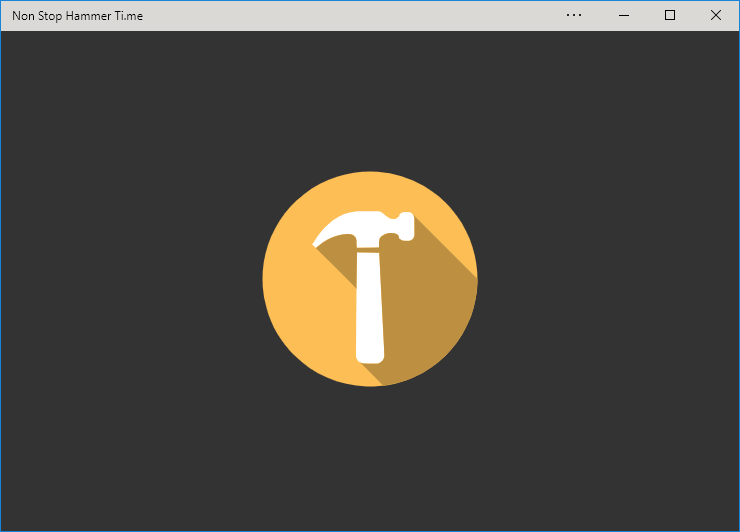
Once installed, Edge immediately runs your new app (closing the tab it formerly occupied) and adds shortcut icons.
Feature support is stronger than it is for Progressive Web Apps delivered as standalone apps via the Windows Store, too, with the engine not falling over at the first sign of a modal
dialog for example. Hopefully (as I support one of these hybrid apps!) these too will begin to be handled properly when Edge Dev eventually achieves mainstream availability.
If you’ve got the “app” version installed, Edge provides a menu option to switch to that from any page on the conventional site (and cookies/state is retained across both).
But perhaps most-impressive is Edge Dev’s respect for the importance of URLs. If, having installed the progressive “app”
version of a site you subsequently revisit any address within its scope, you can switch to the app version via a link in the menu. I’d rather have seen a nudge in the address bar, where
the user might expect to see such things (based on that being where the original install icon was), but this is still a great feature… especially given that cookies and other
state maintainers are shared between the browser, meaning that performing such a switch in a properly-made application will result in the user carrying on from almost exactly where they
left off.
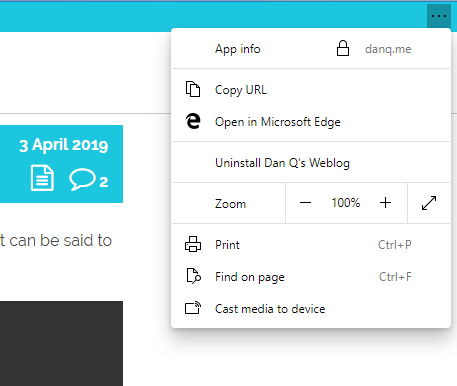
Unlike virtually every other PWA engine, Edge Dev’s provides a “Copy URL” feature even to apps without address bars, which is a killer feature for sharability.
Similarly, and also uncommonly forward-thinking, Progressive Web Apps installed as standalone applications from Edge Dev enjoy a “copy URL” option in their menu, even if the app runs without an address bar (e.g. as a result of a "display": "standalone" directive
in the manifest.json). This is a huge boost to sharability and is enormously (and unusually) respectful of the fact that addresses are the
Web’s killer feature! Furthermore, it respects the users’ choice to operate their “apps” in whatever way suits them best: in a browser (even a competing browser!), on their
mobile device, or wherever. Well done, Microsoft!
I’m still very sad overall that Edge is becoming part of the Chromium family of browsers. But if the silver lining is that we get a pioneering and powerful new Progressive Web App
engine then it can’t be all bad, can it?
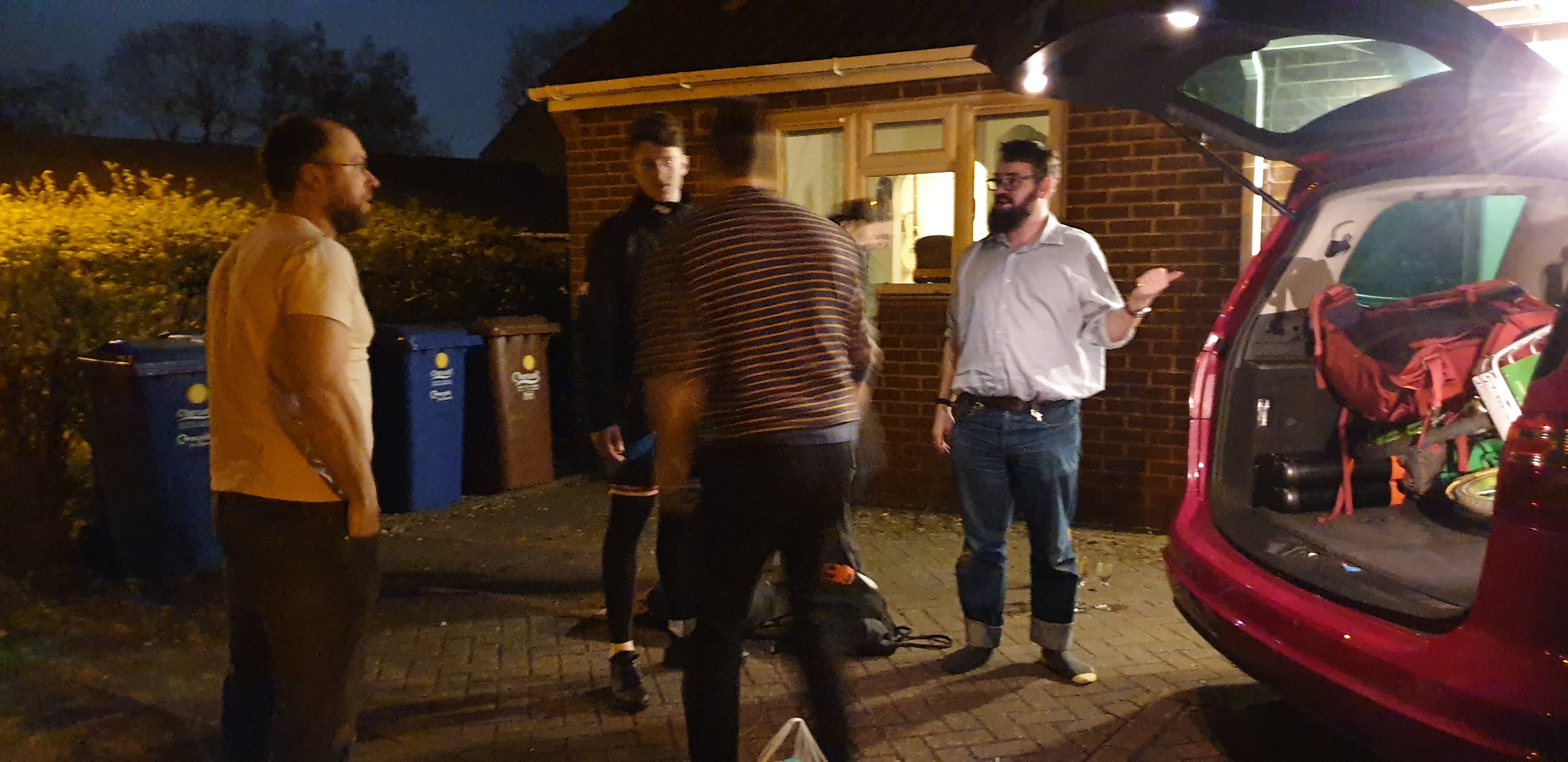
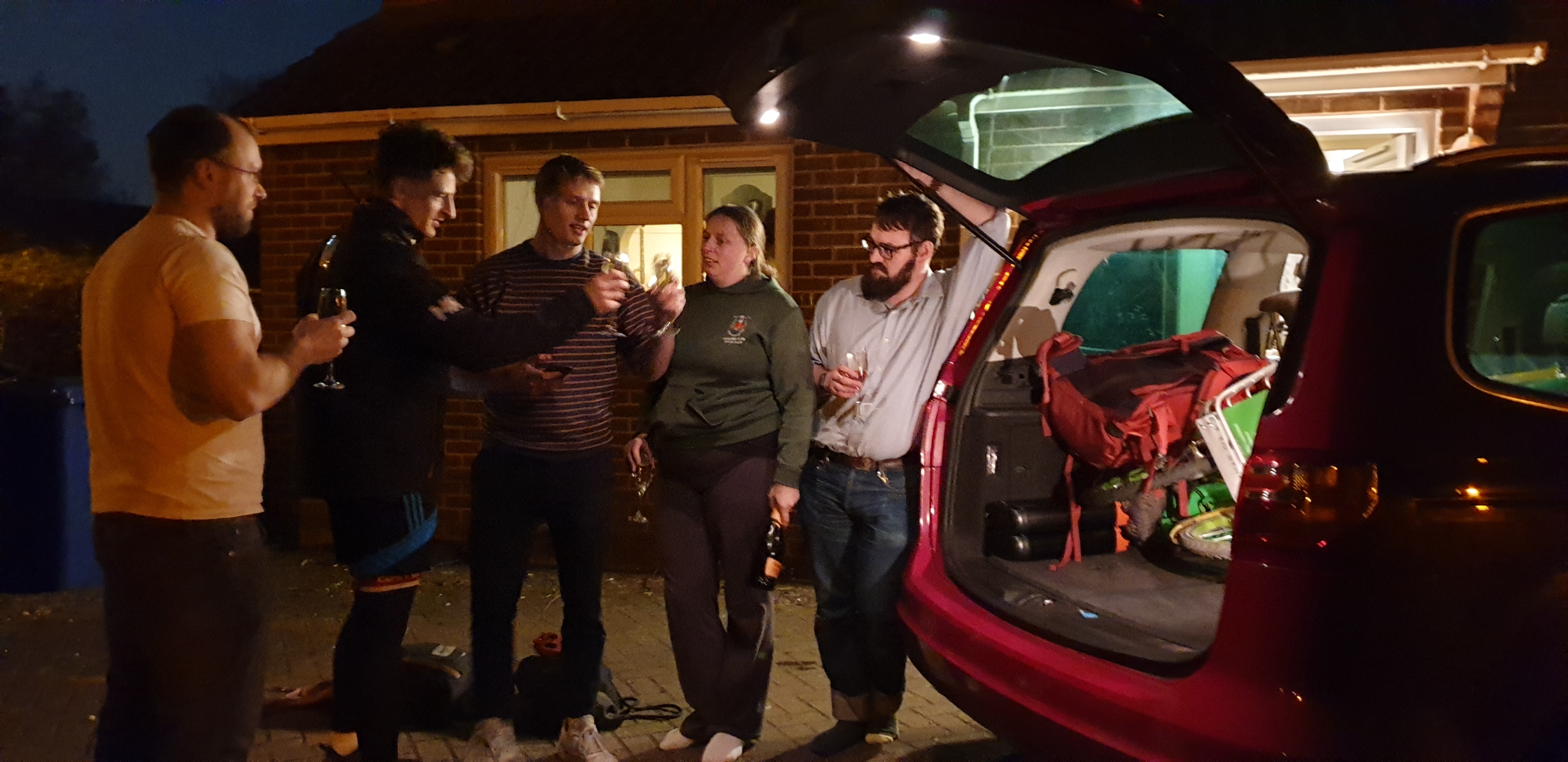
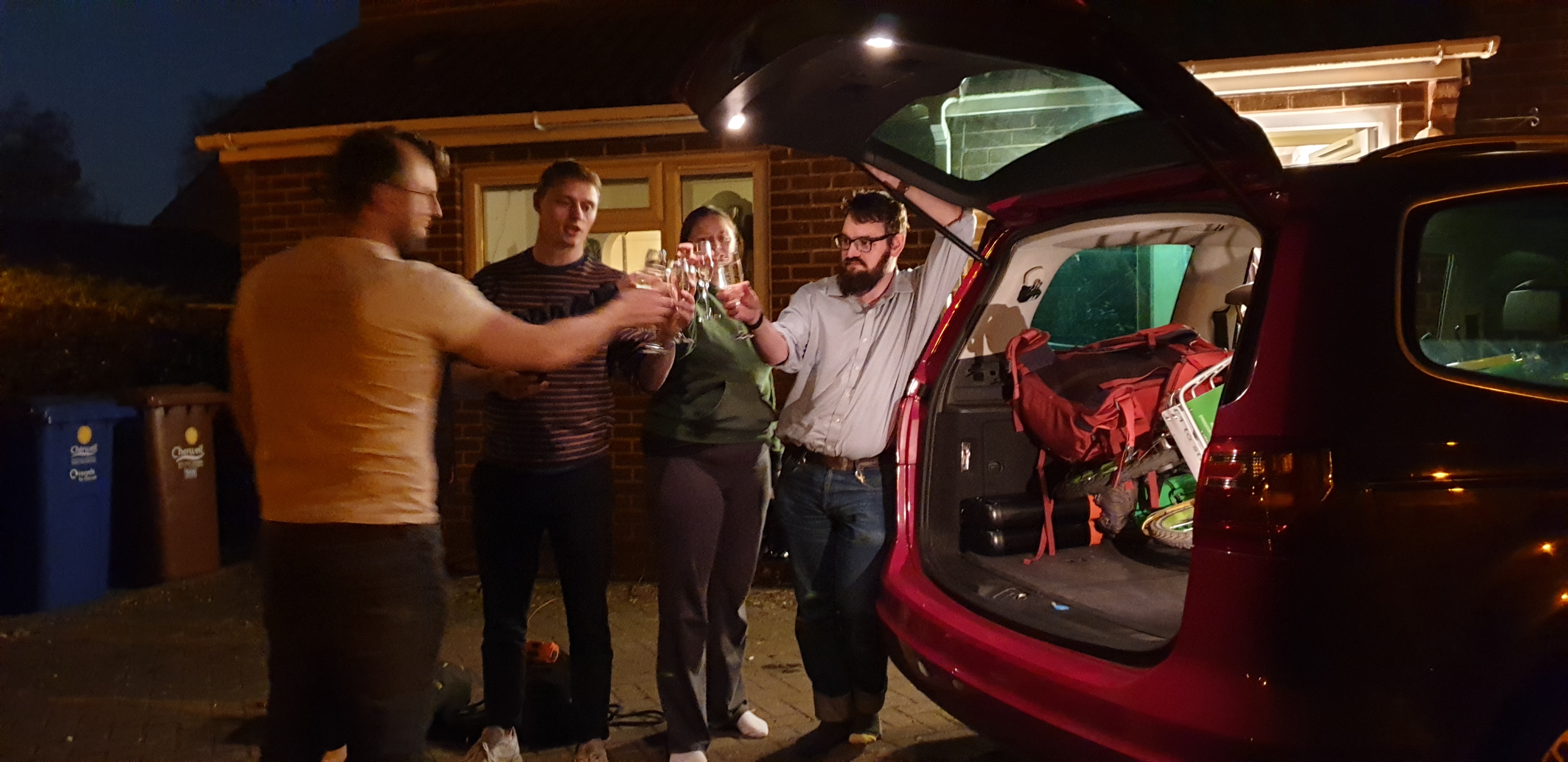
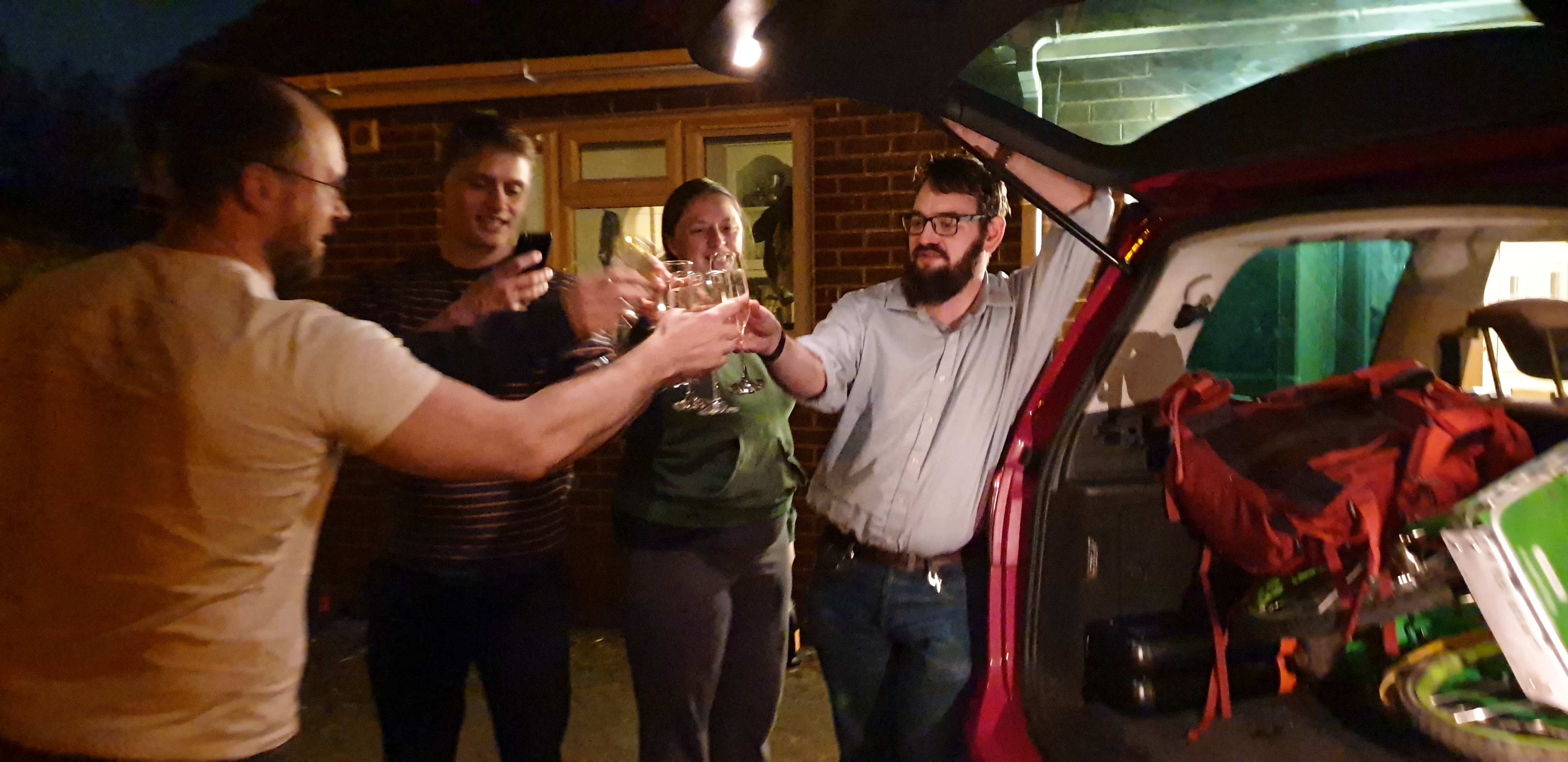
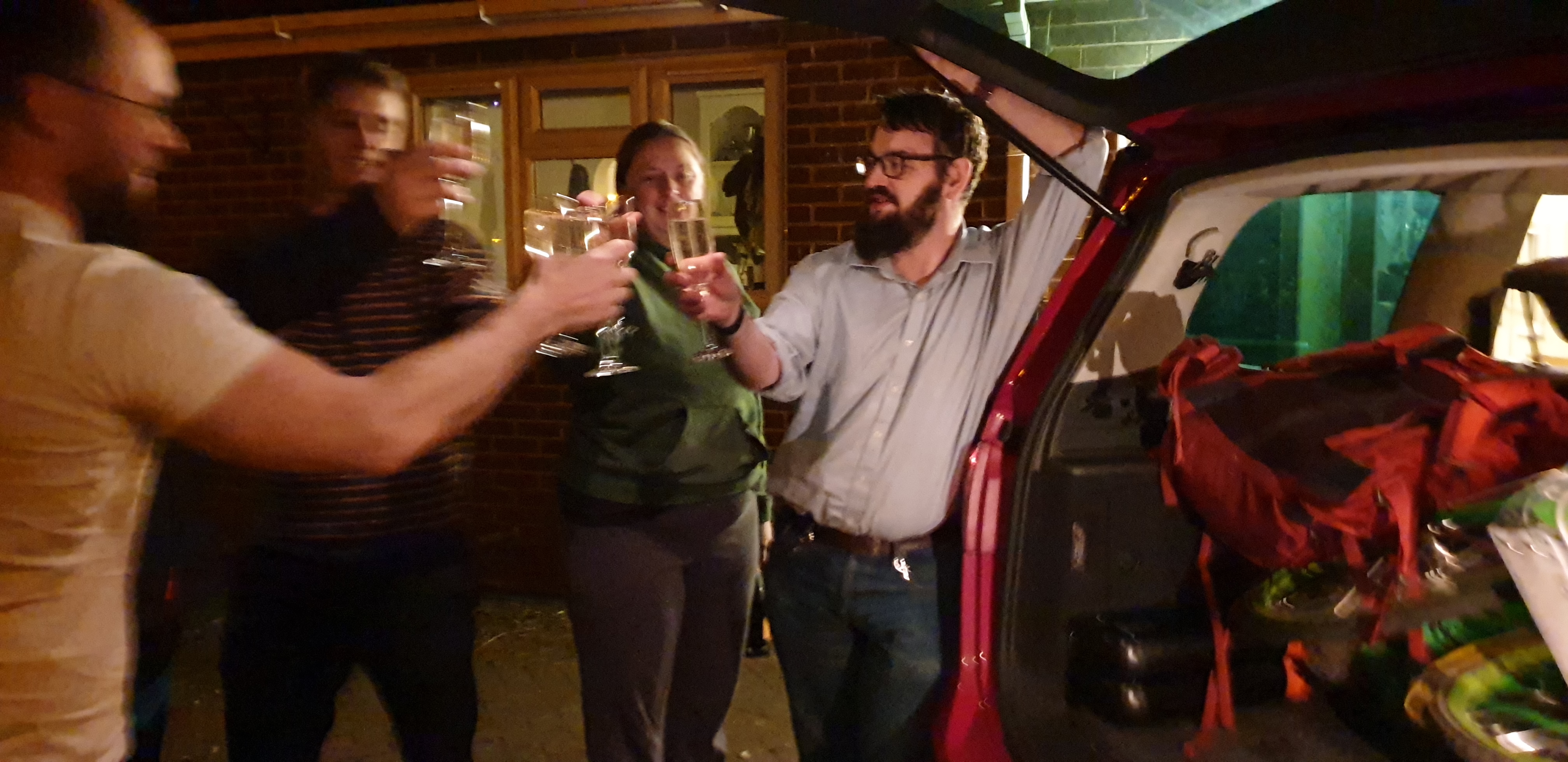
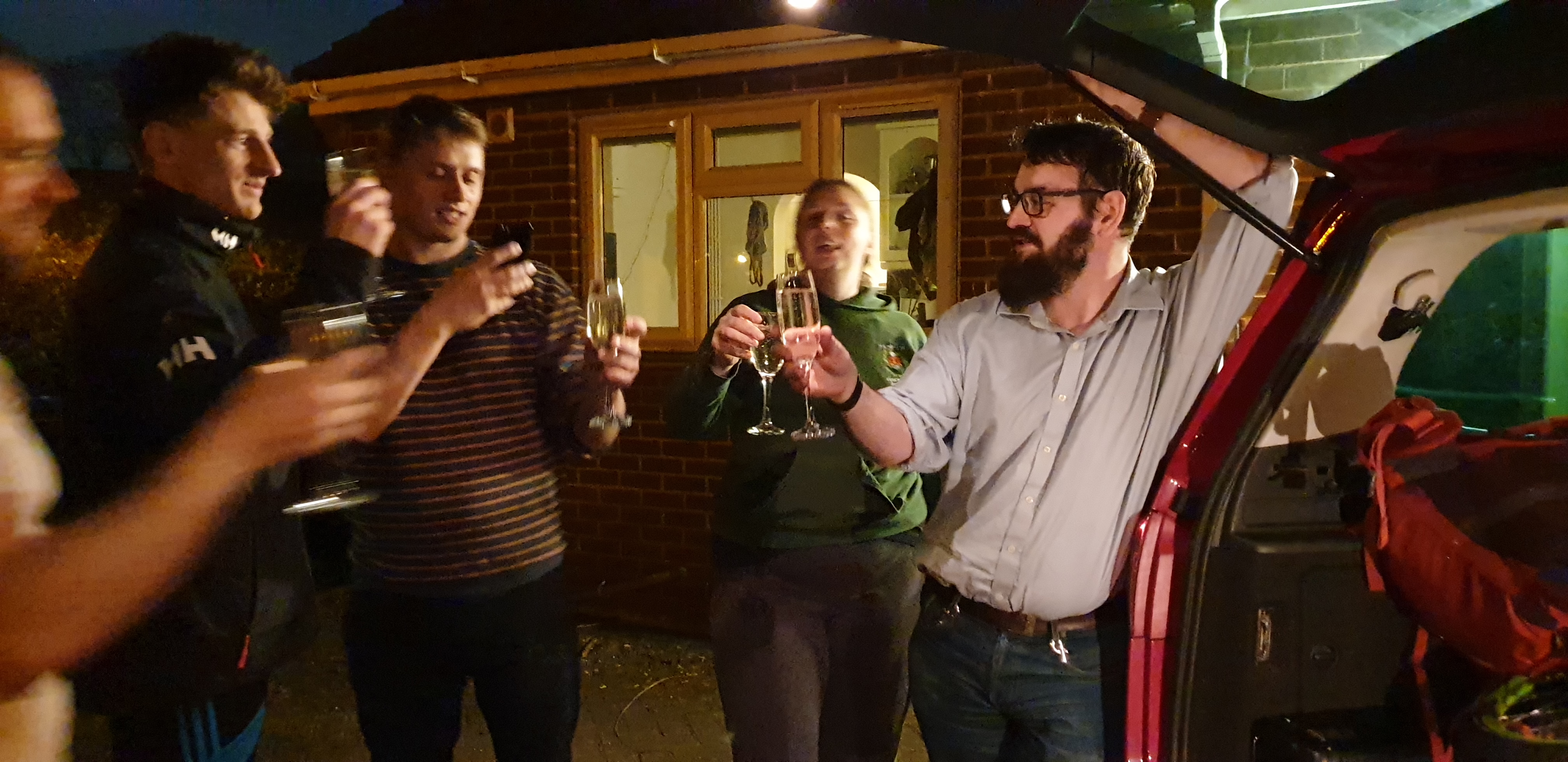
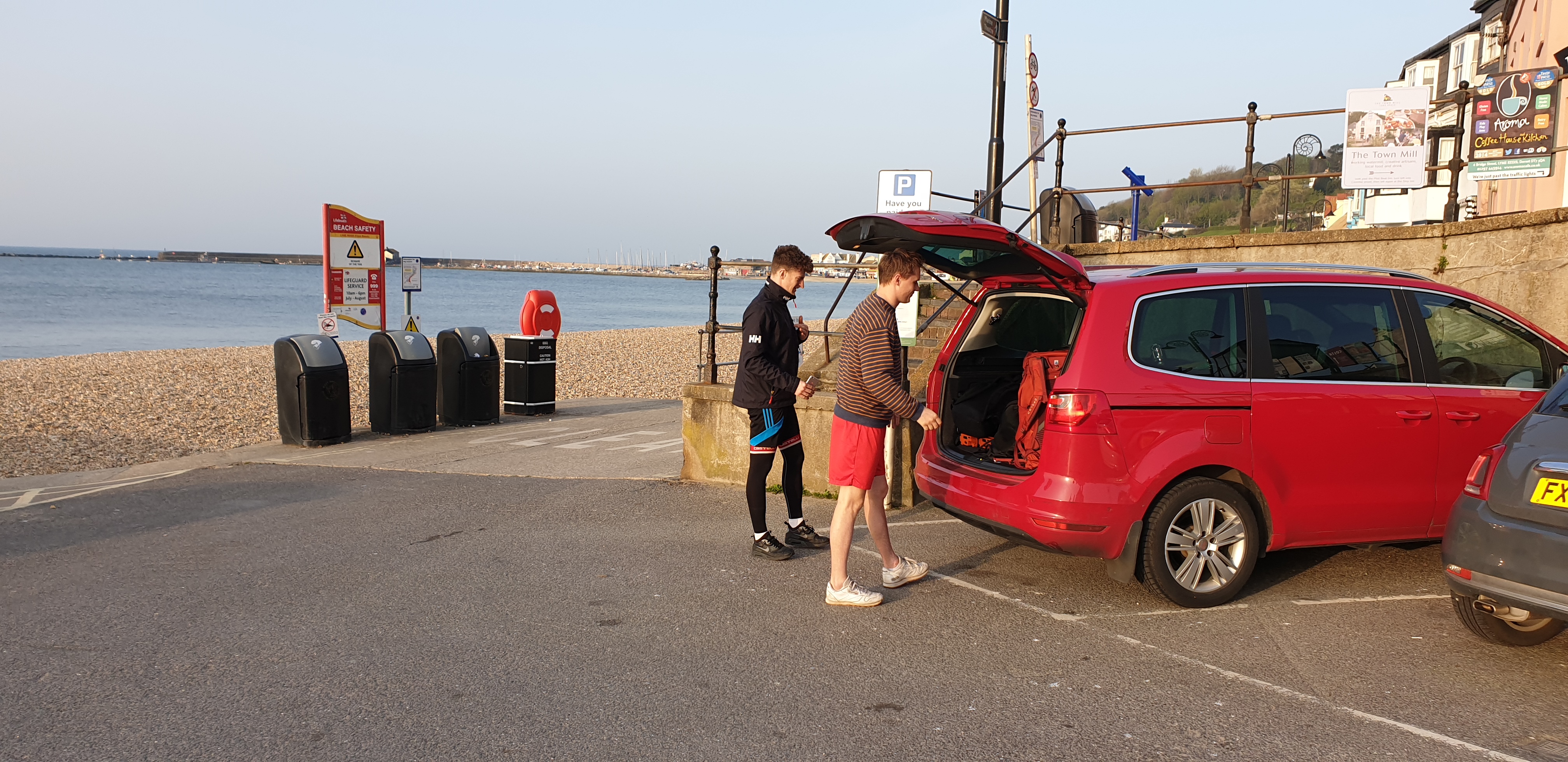
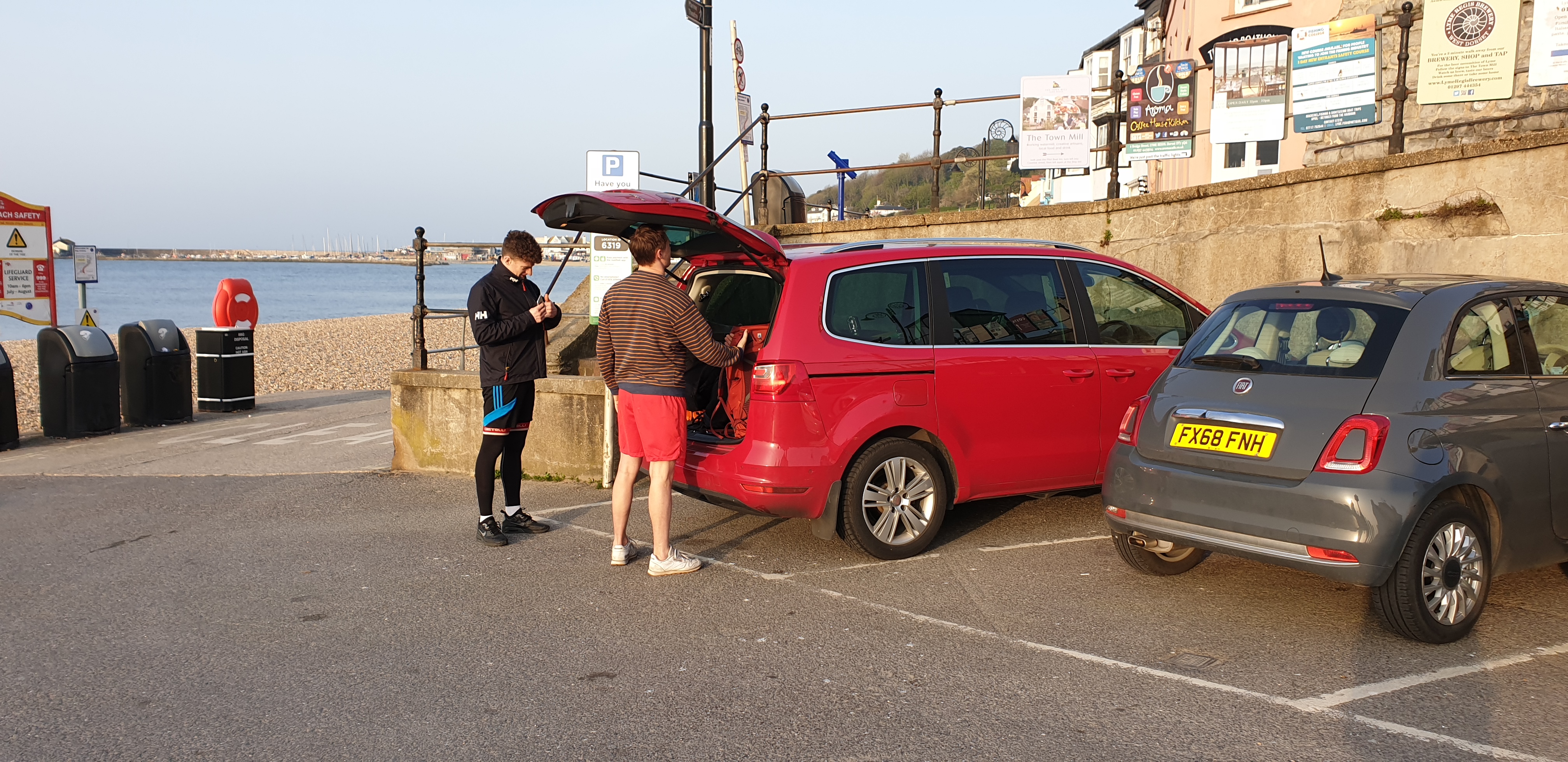
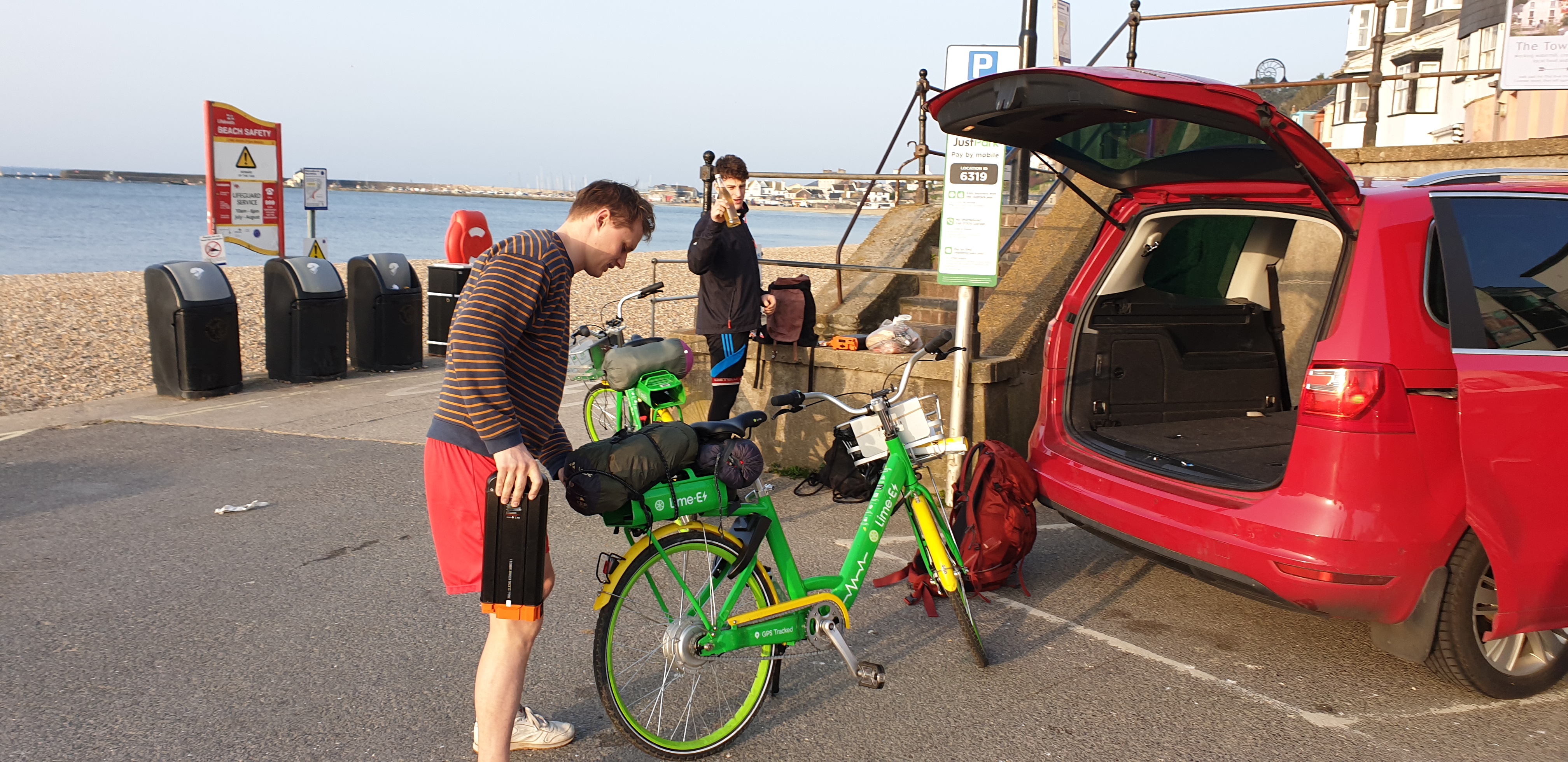
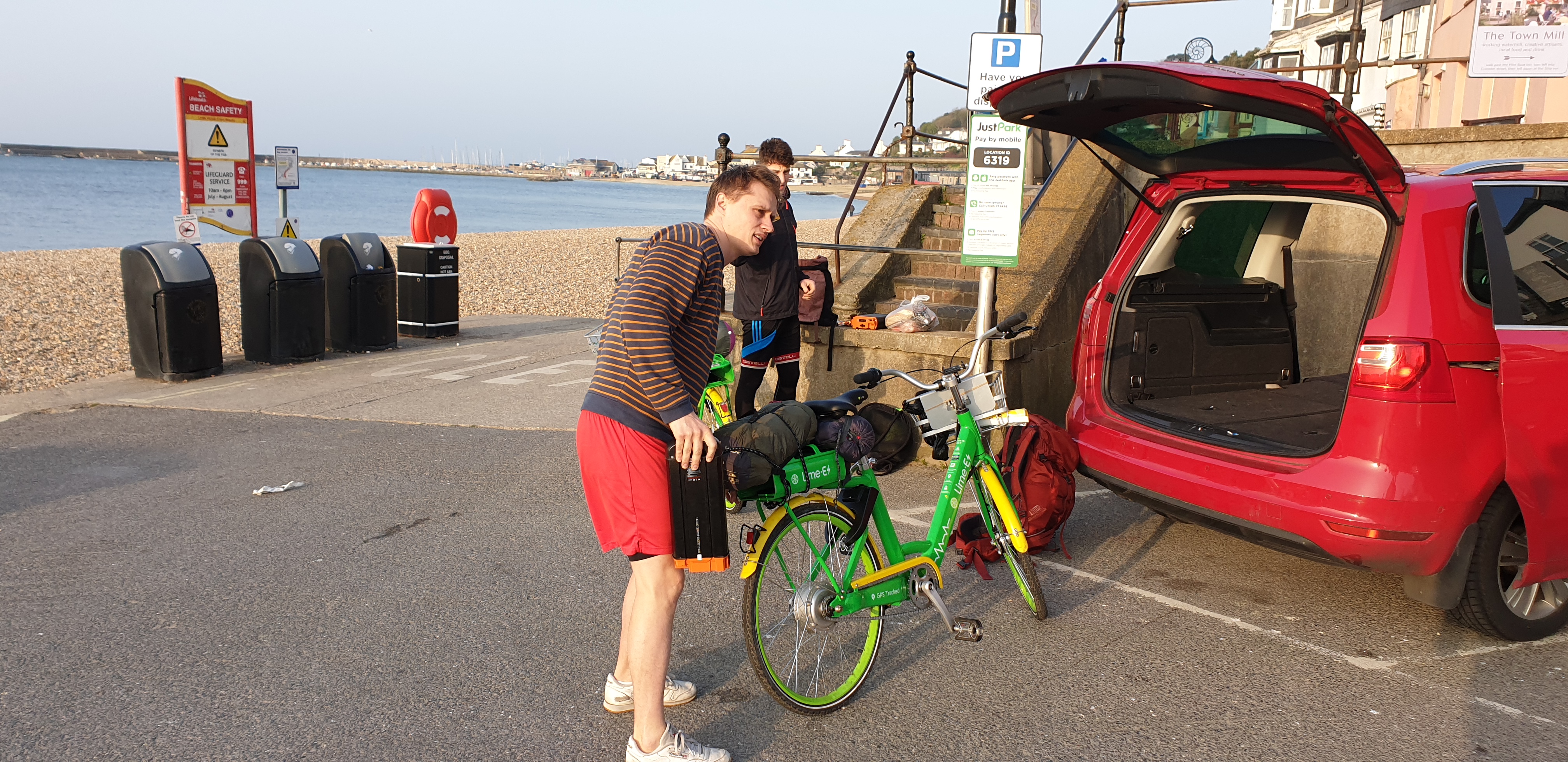
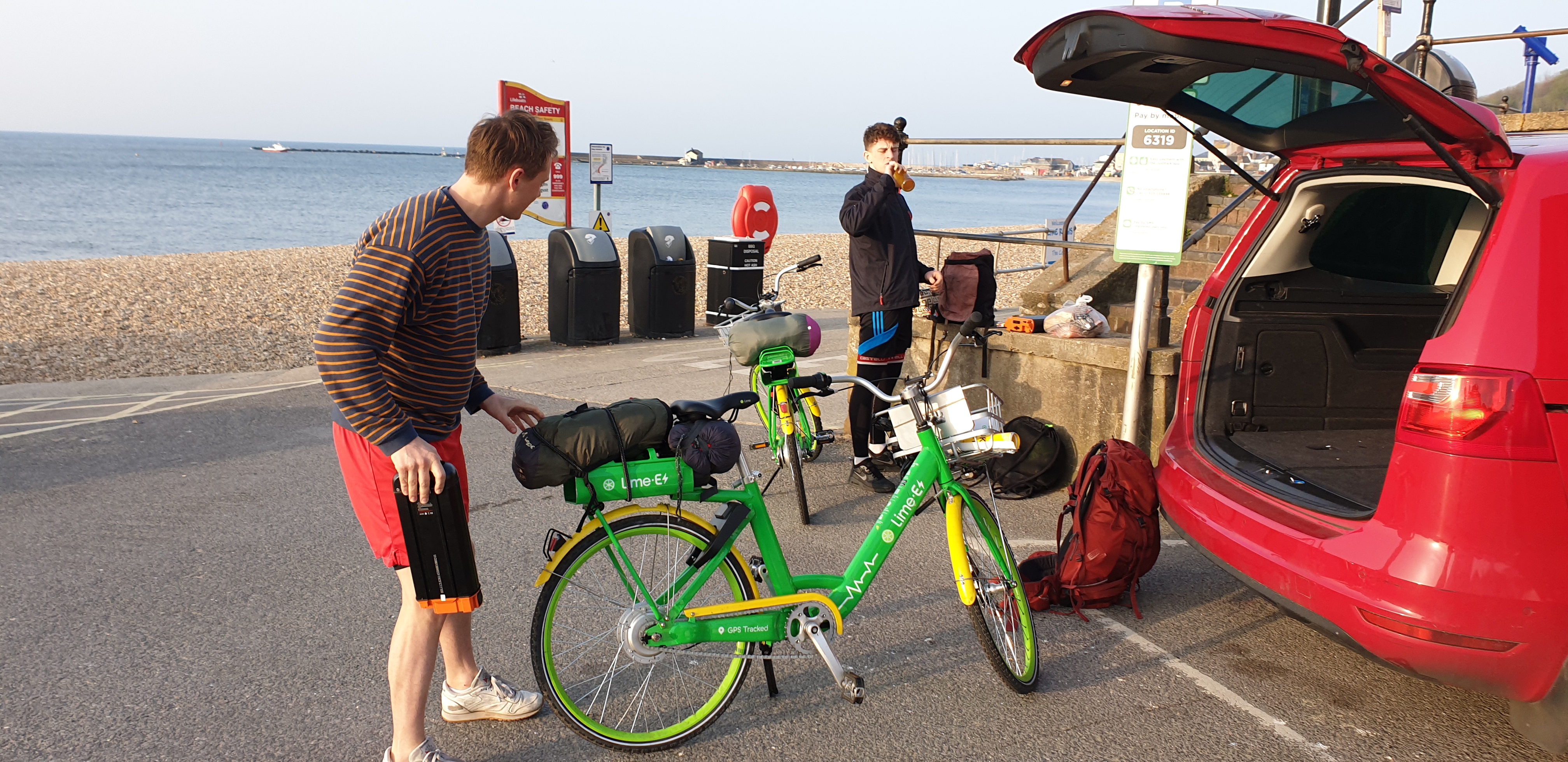
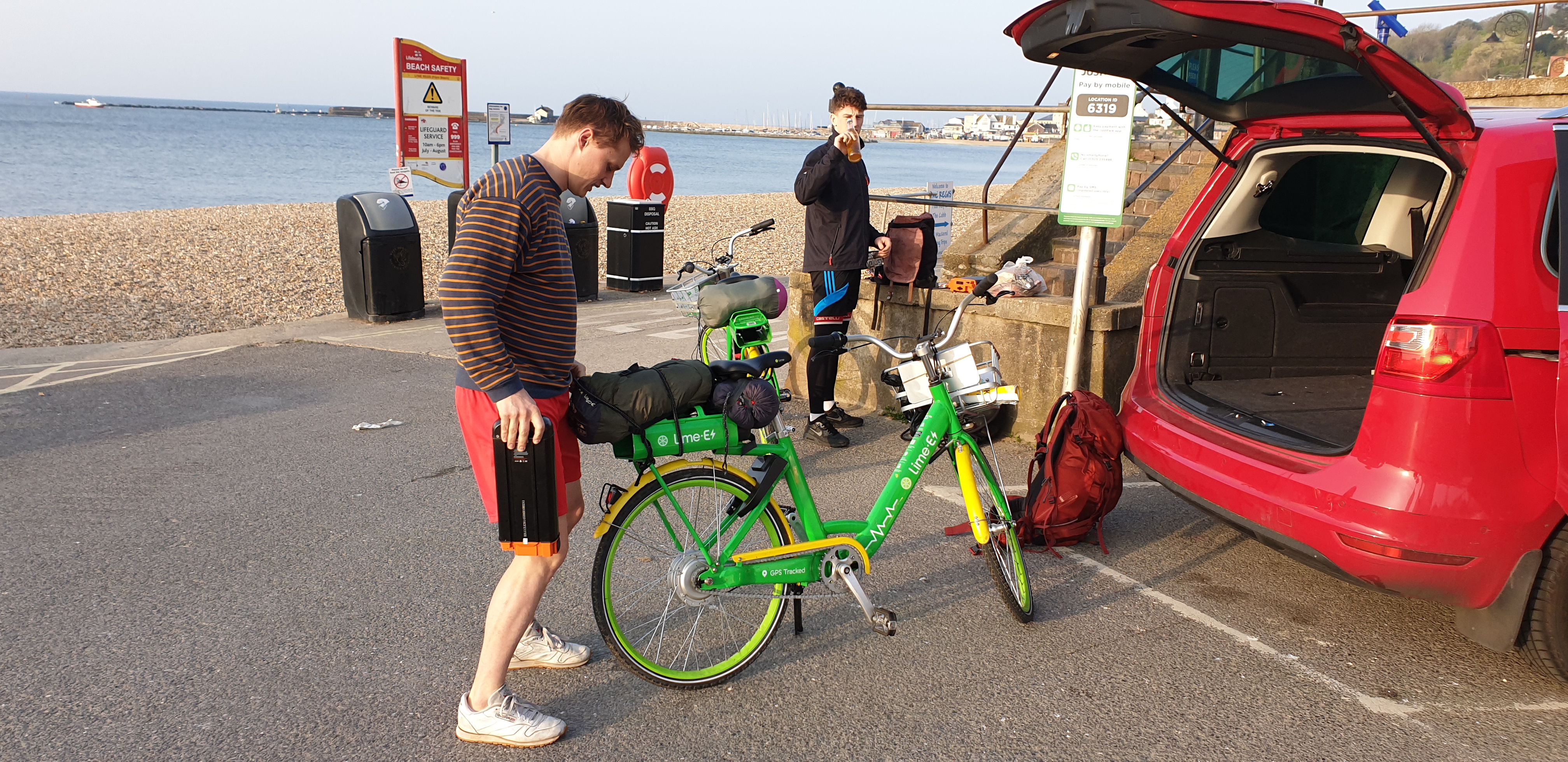
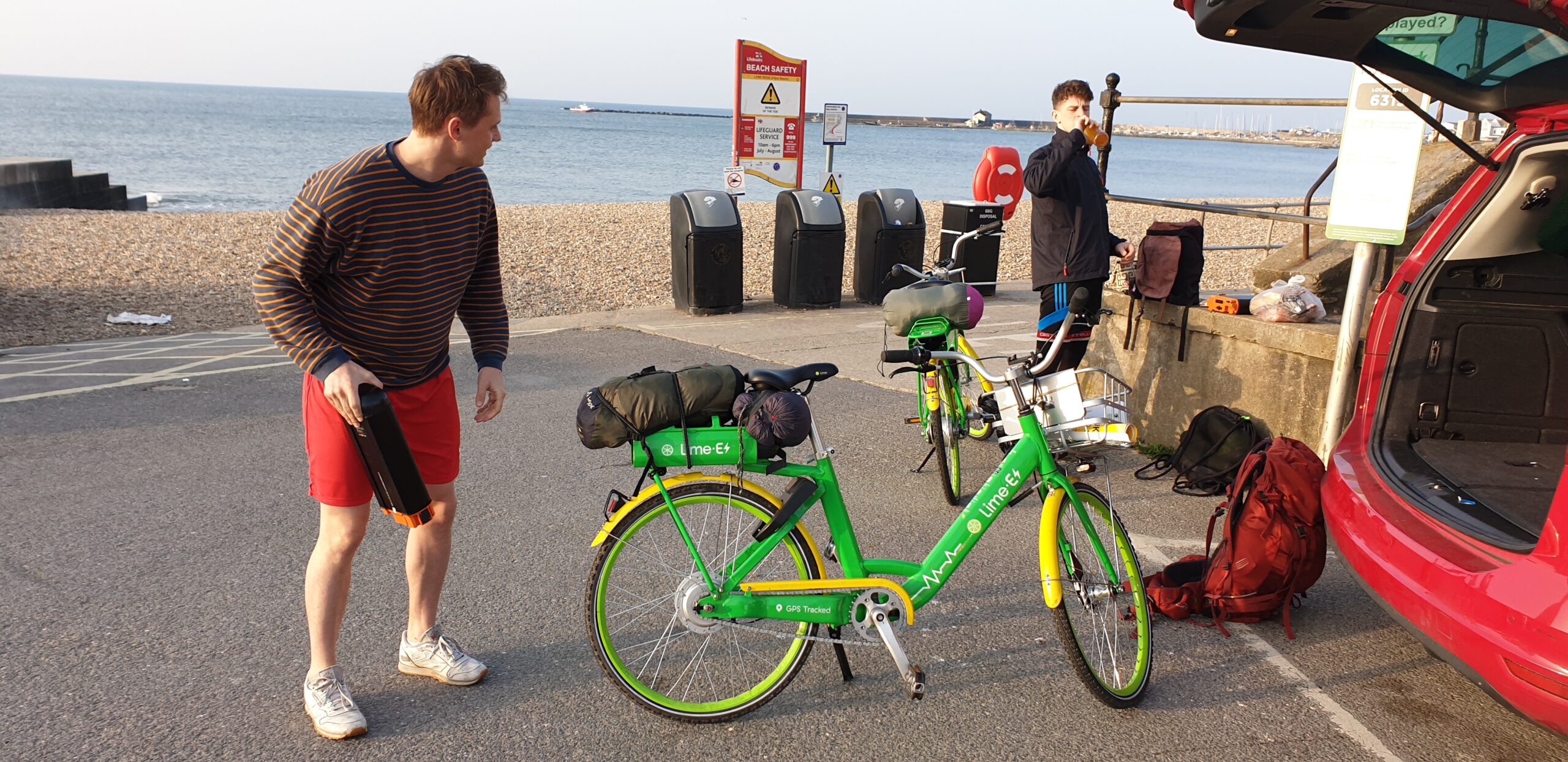
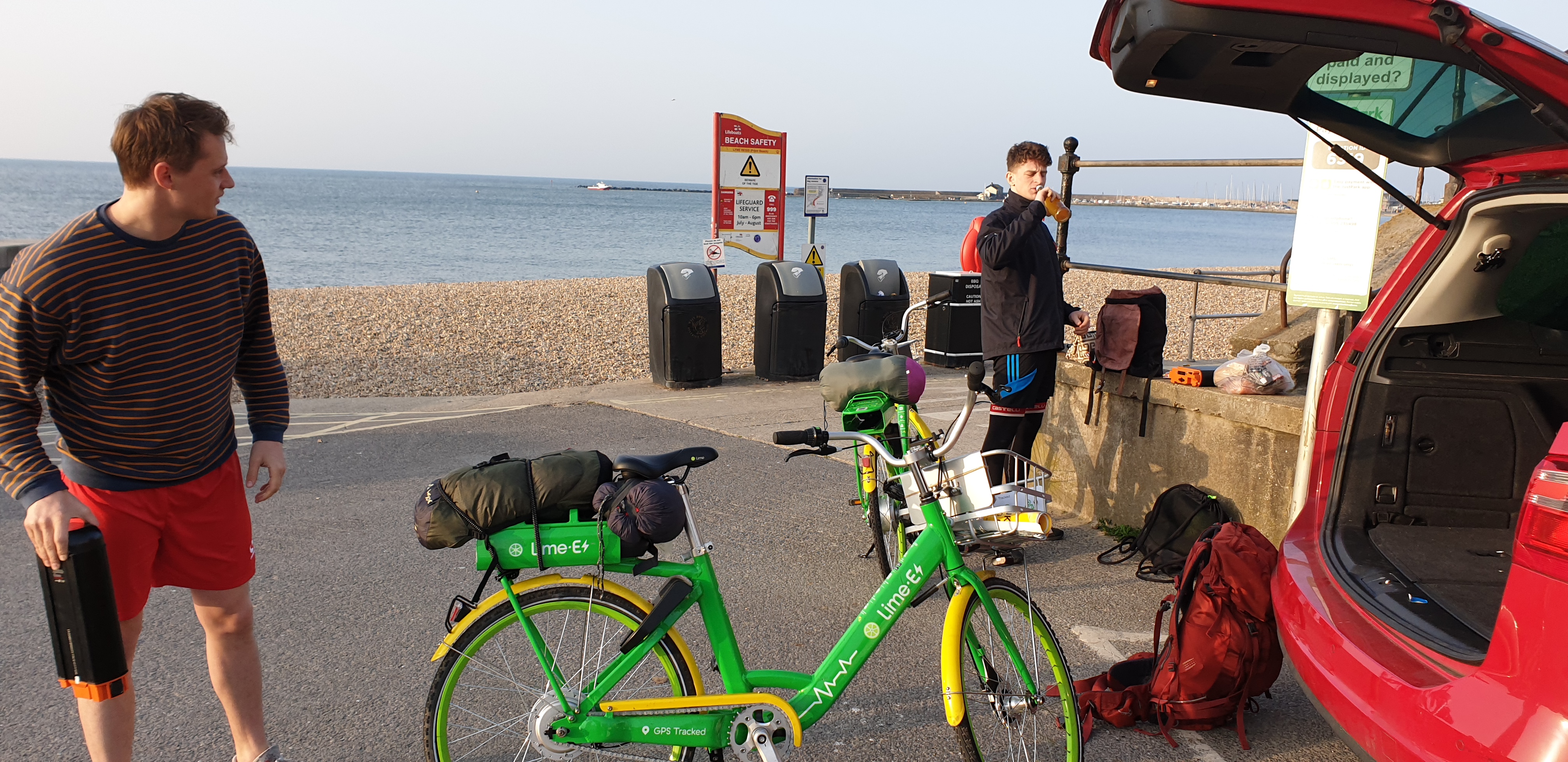
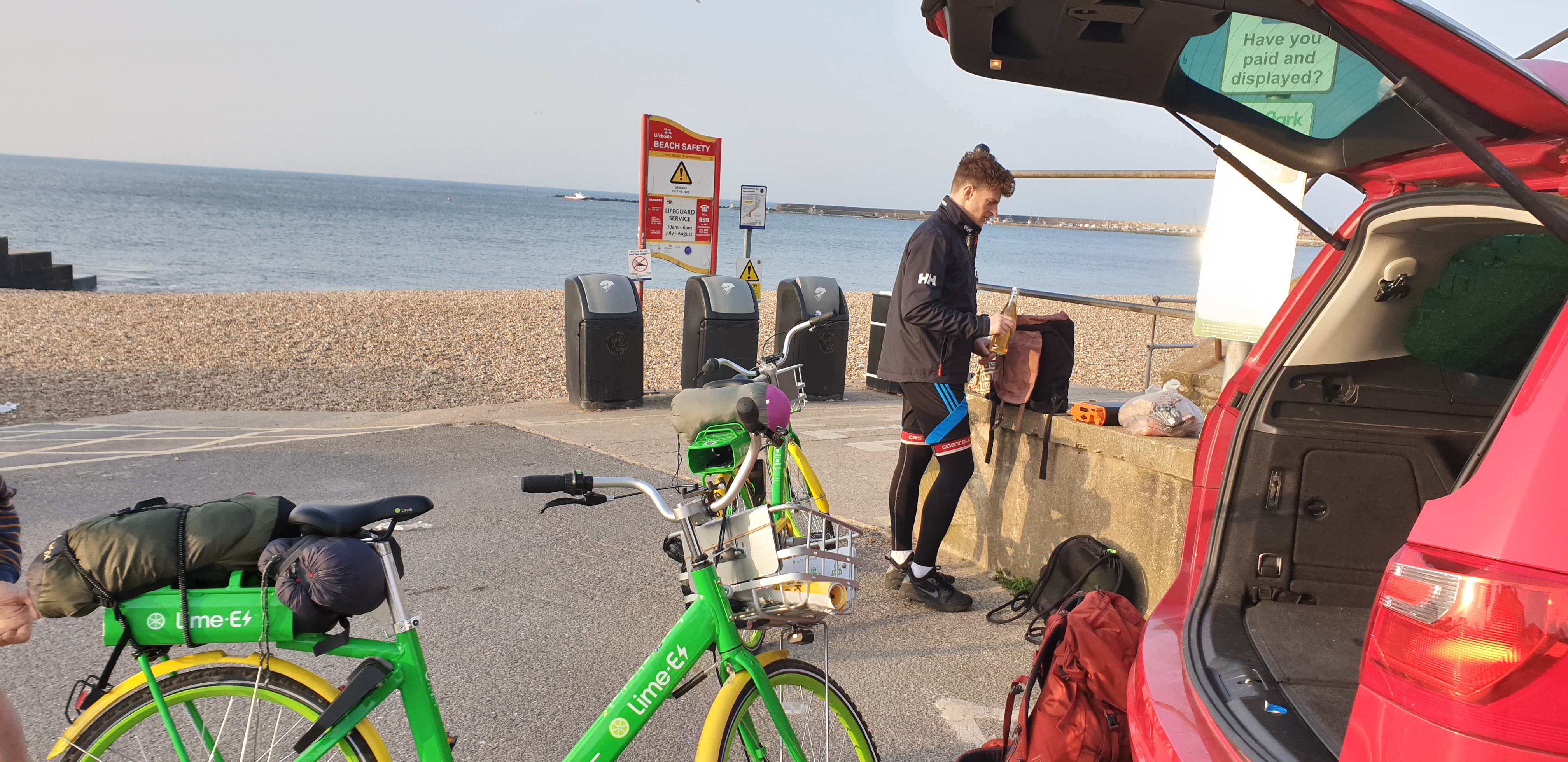
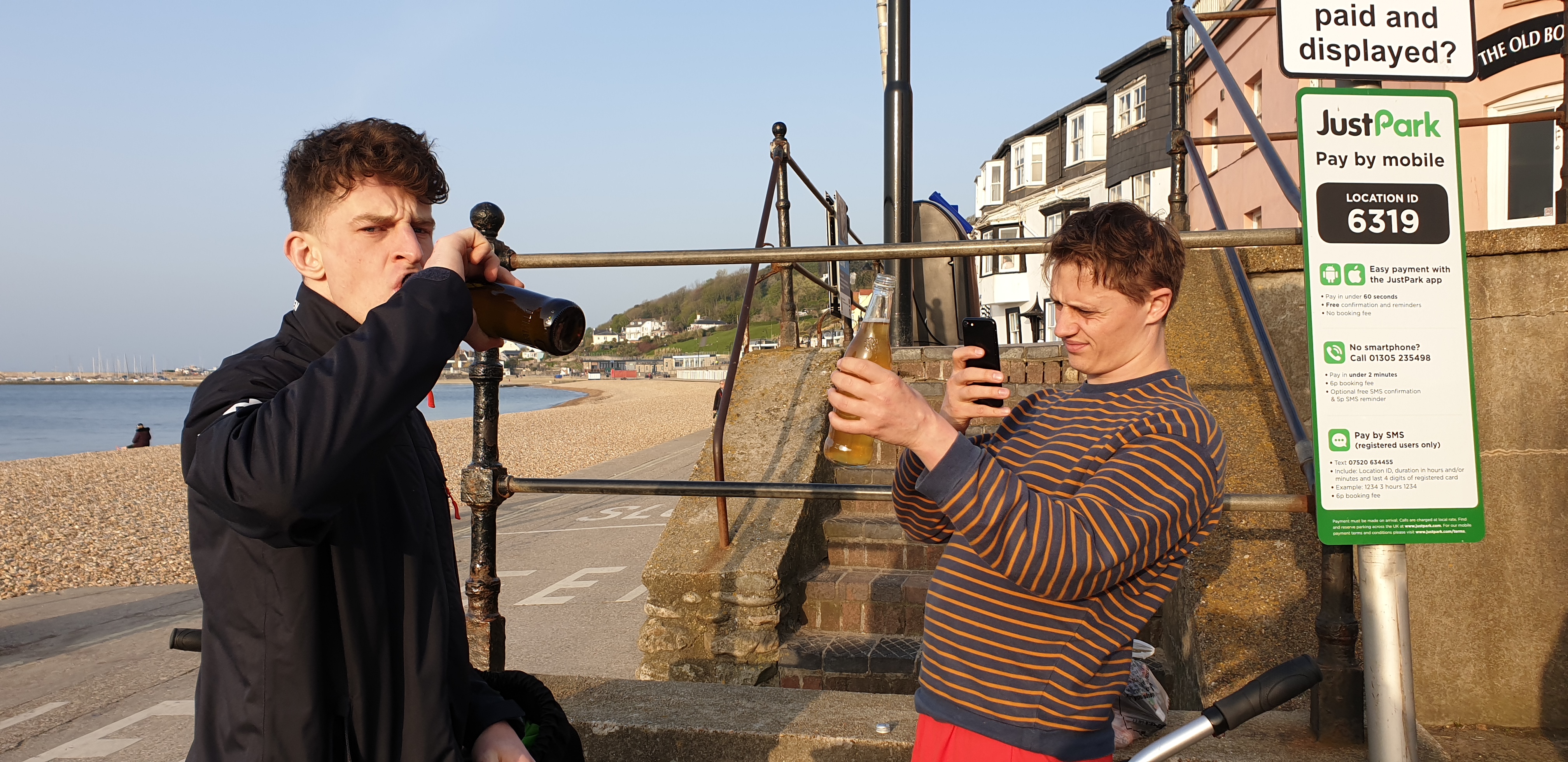
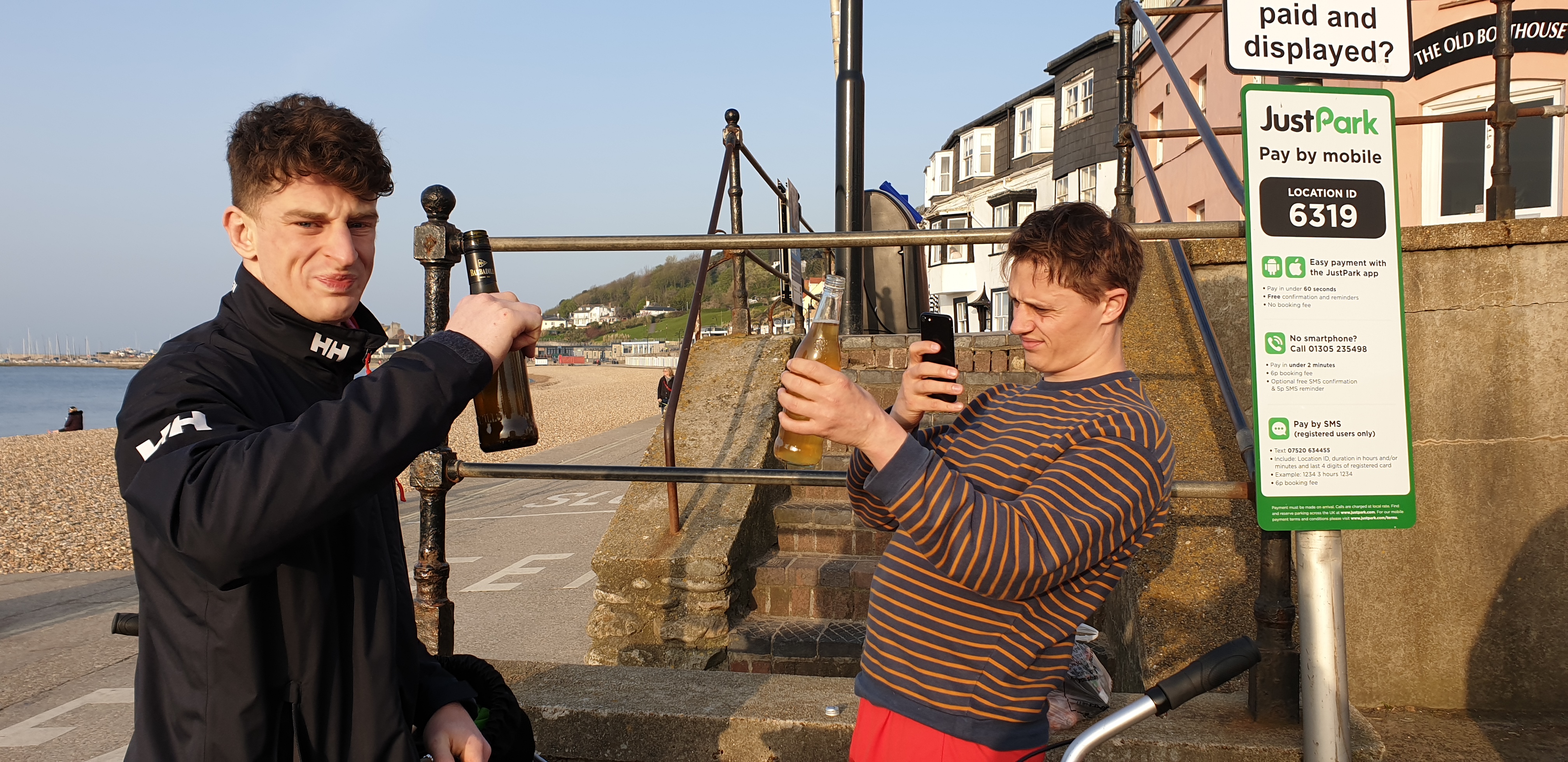
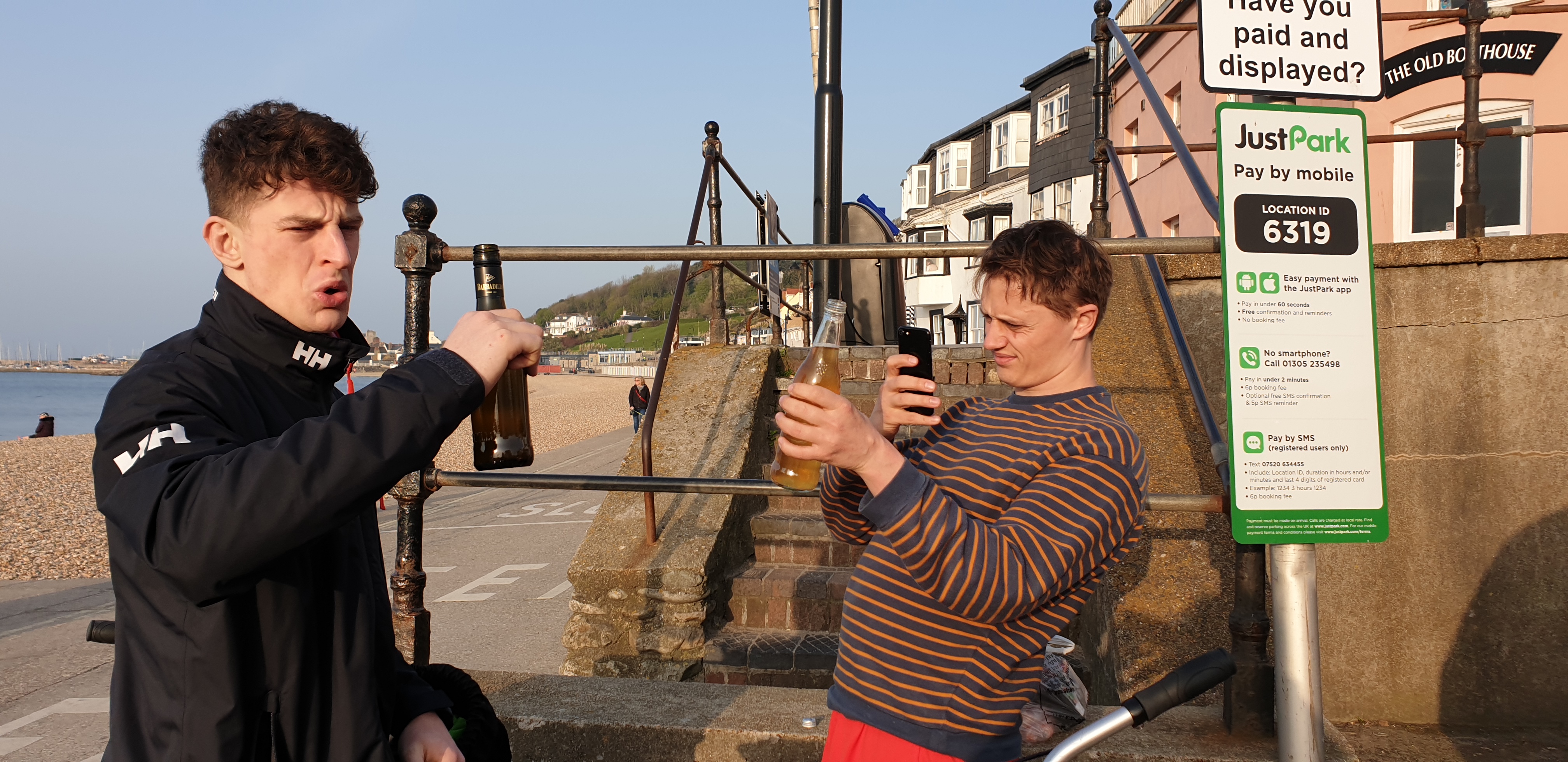
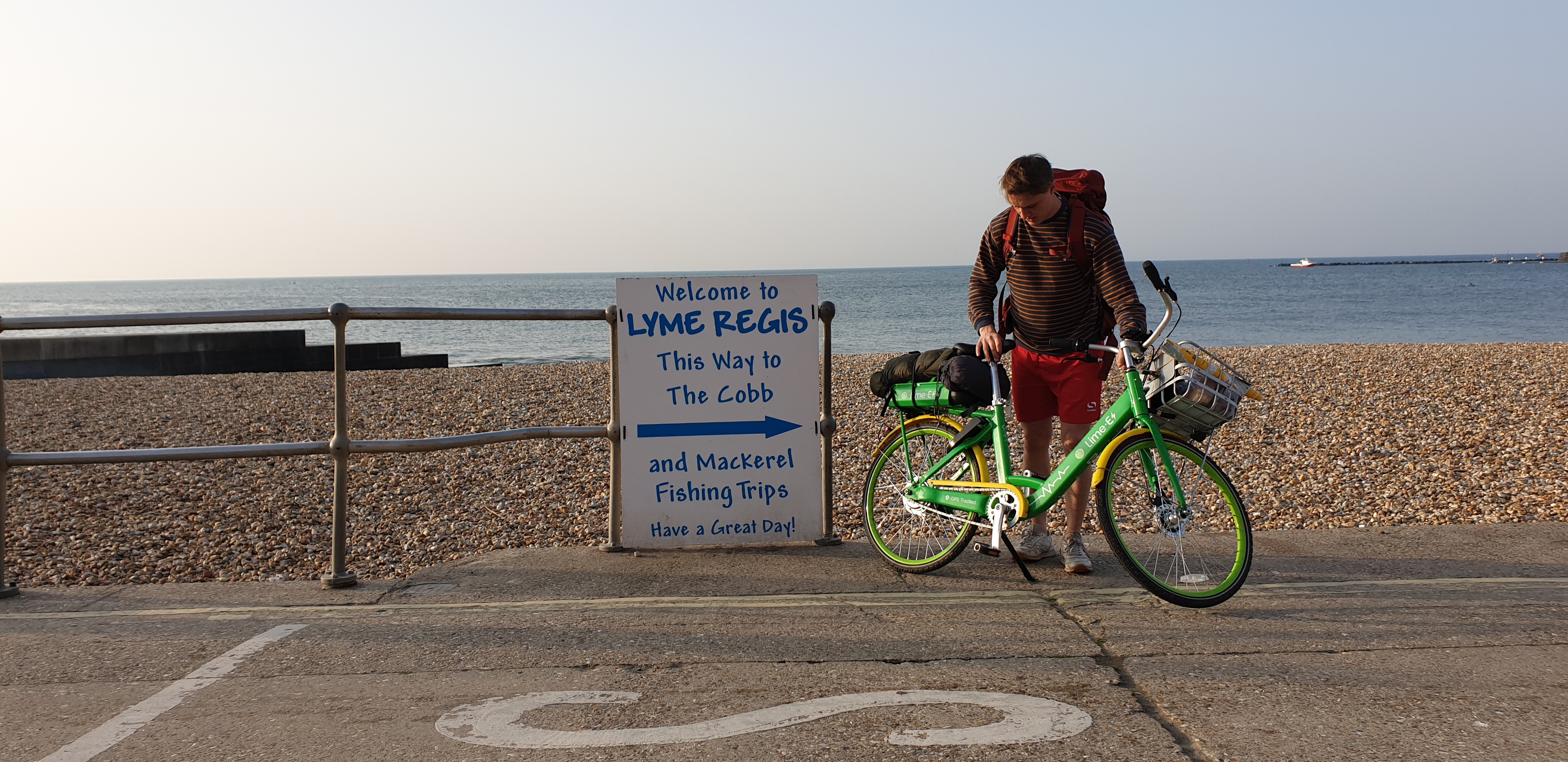
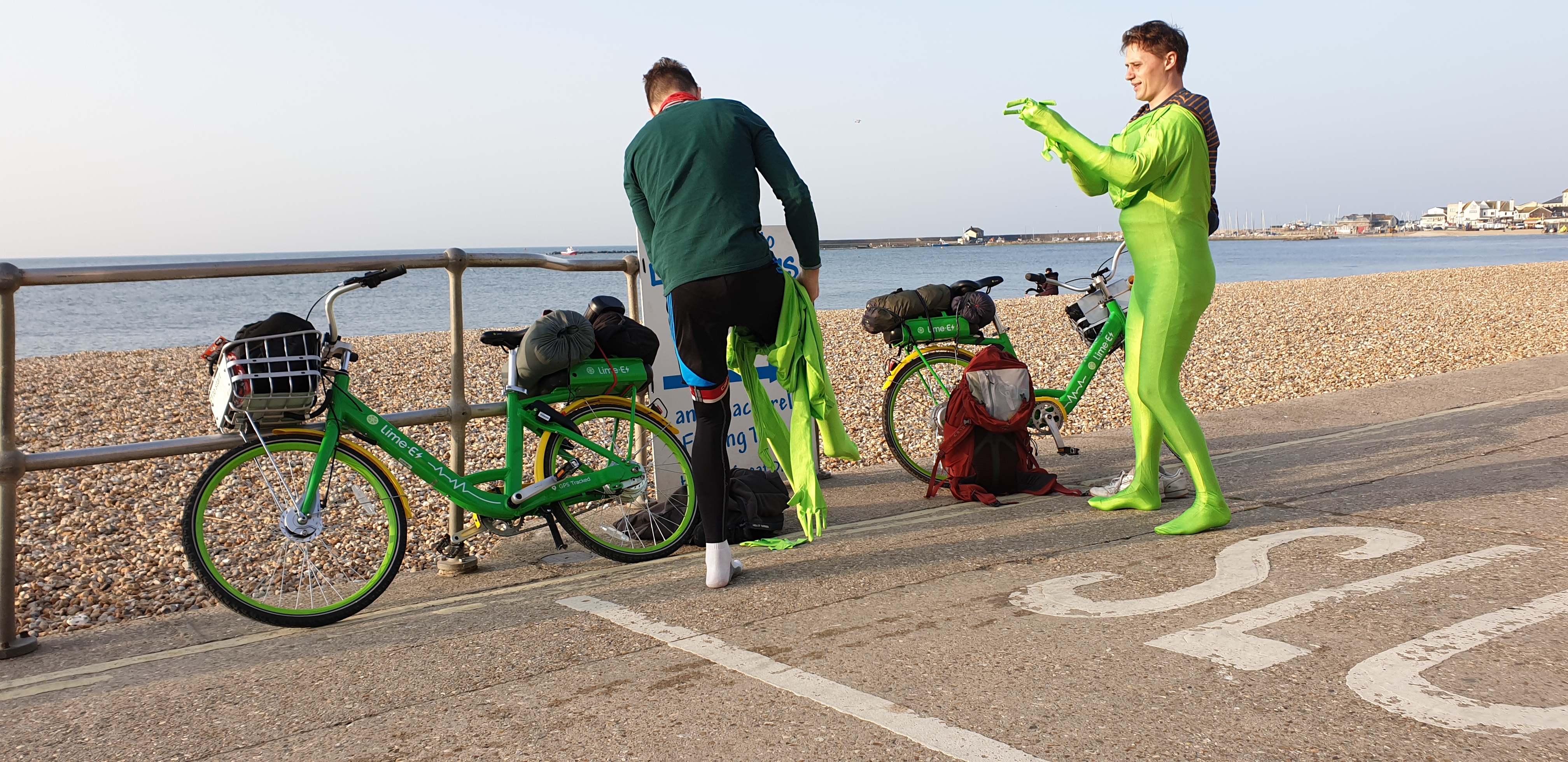
Just visiting while dropping off my brother in law for his sponsored 500 mile “Lyme Regis to Limekilns on a Lime Bike” cycle, and thought I’d hit a couple of local caches before I set
off back to Oxford. Great hiding place and a well maintained cache, thanks!
While dropping off my partner’s brother and his friend on their 500 mile “Lyme Regis to Limekilns on a Lime Bike” sponsored cycle ride, I took the opportunity for a quick grab of this
nicely hidden cache. Logbook rather wet, needs replacing. TFTC!
Fair enough – well last year Magnus, our good friend Sergio and I hitch-hiked from Brick Lane (London) to Twatt (Orkney, Scotland) 766 miles way. We did it in 32 hours thanks to the
generous nature of the people that helped out – including drivers, a pilot and a ferry service (thanks again, you amazing humans!!).
We raised 4 x our intended amount and arrived back in London with time to spare and, frankly, a hankering to do it all over again.
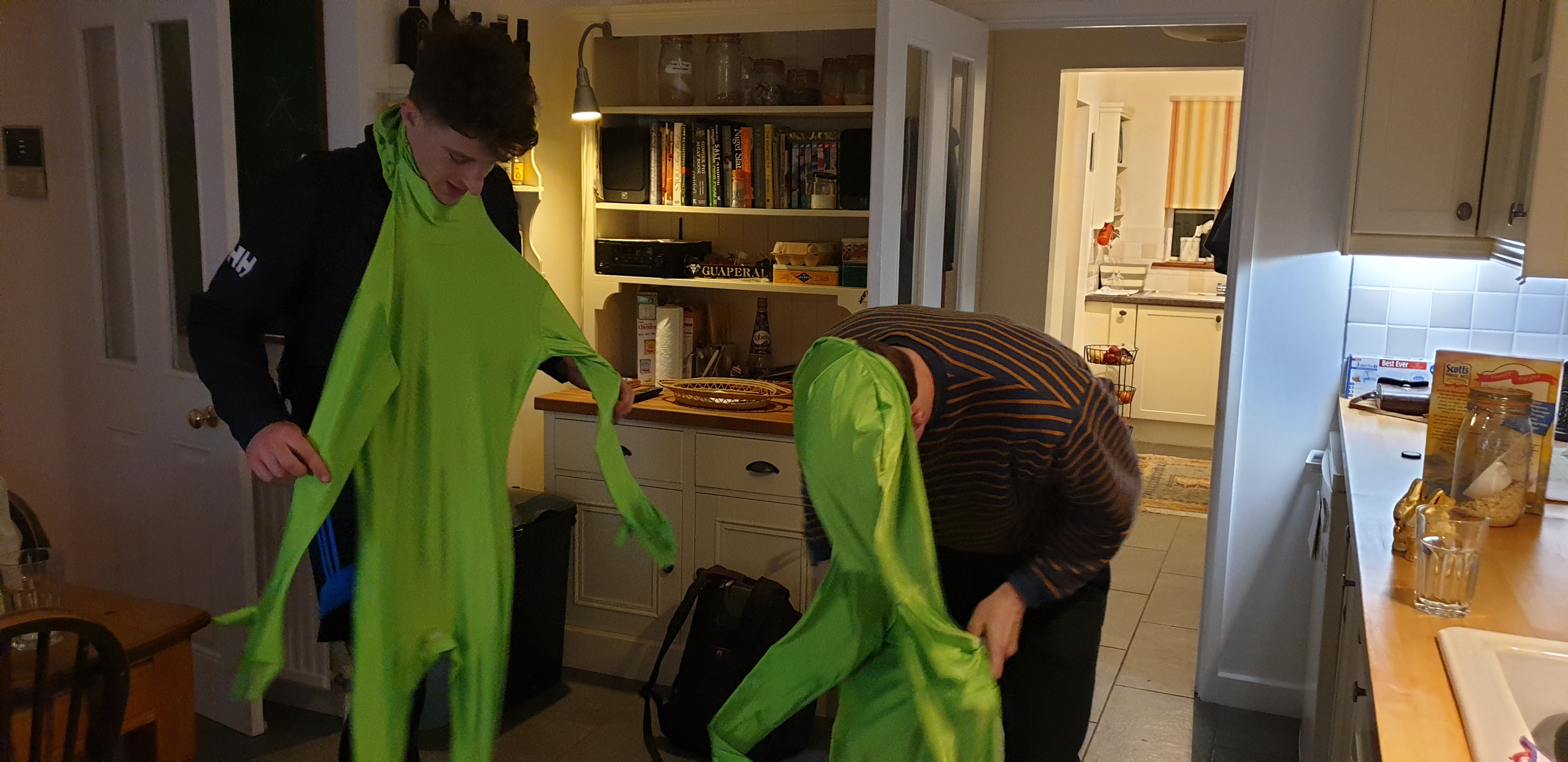
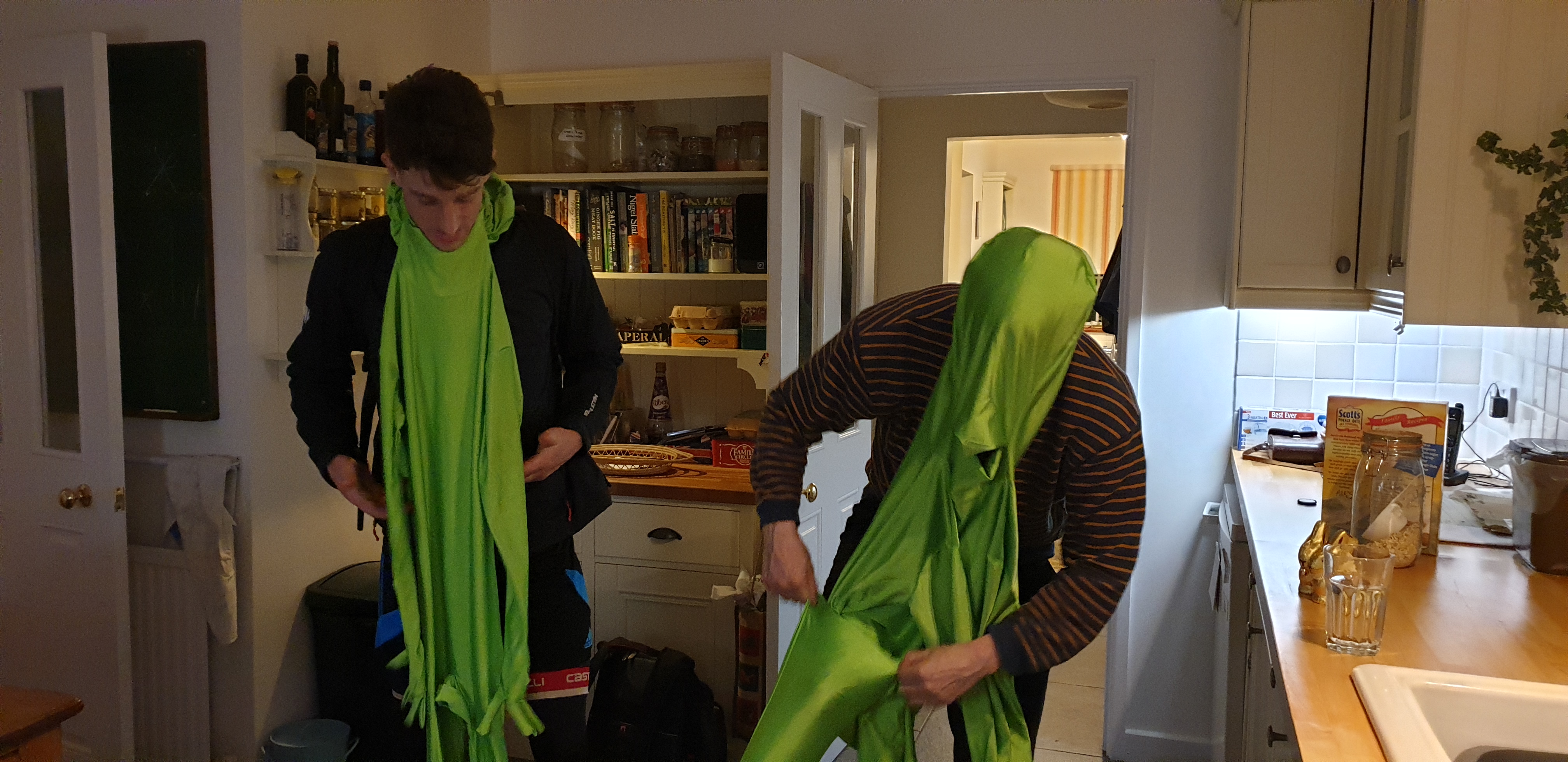
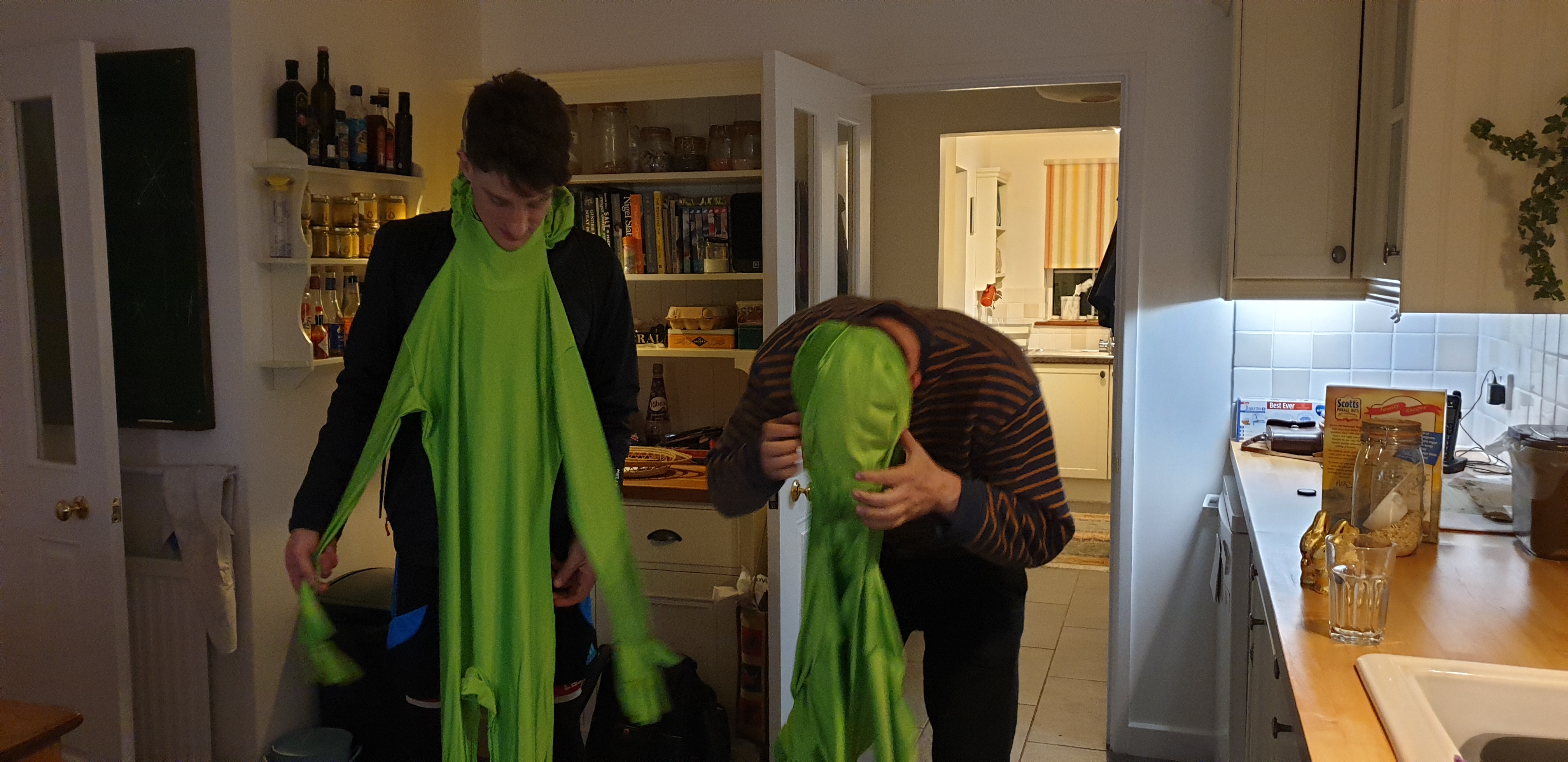
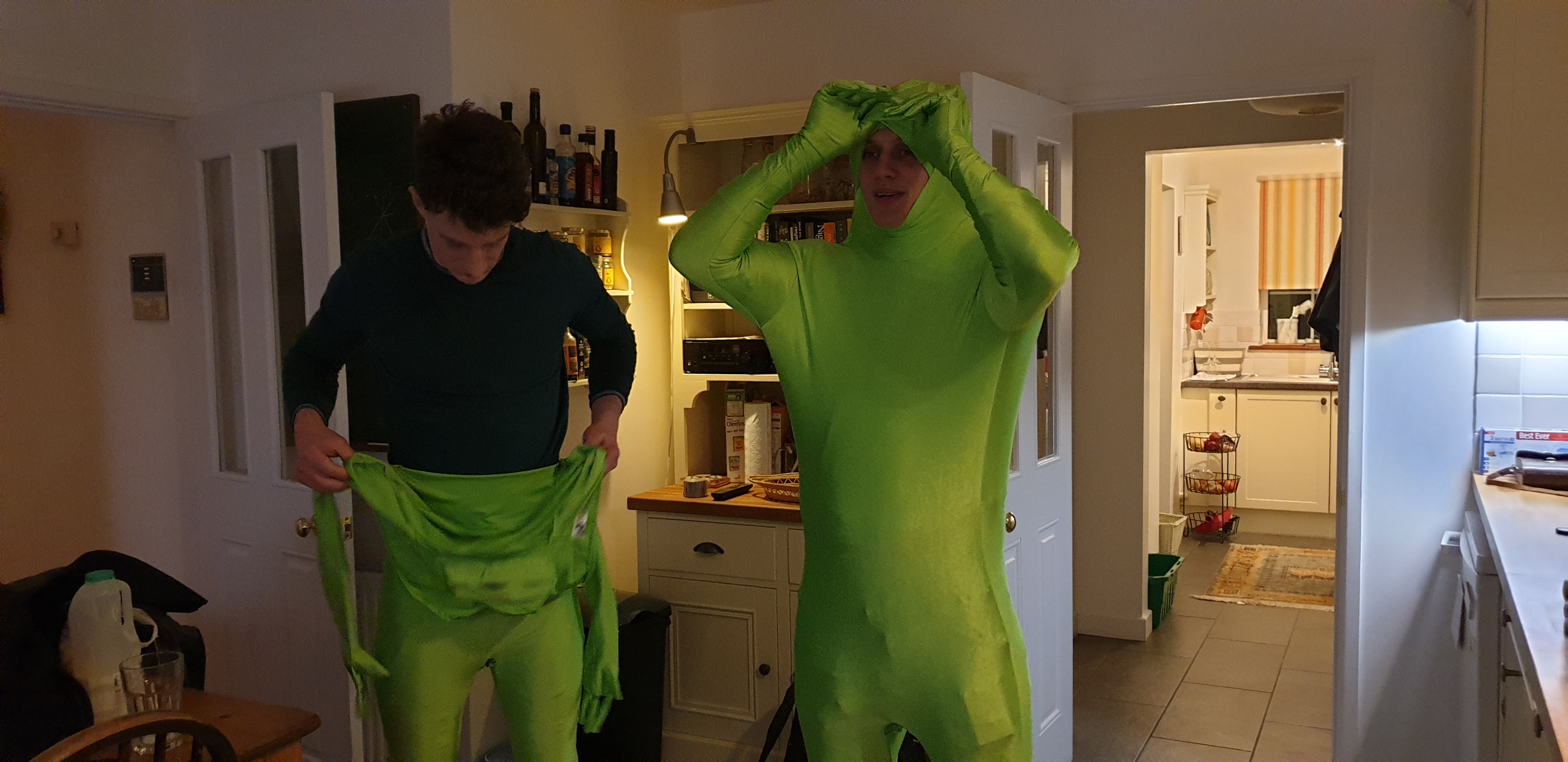
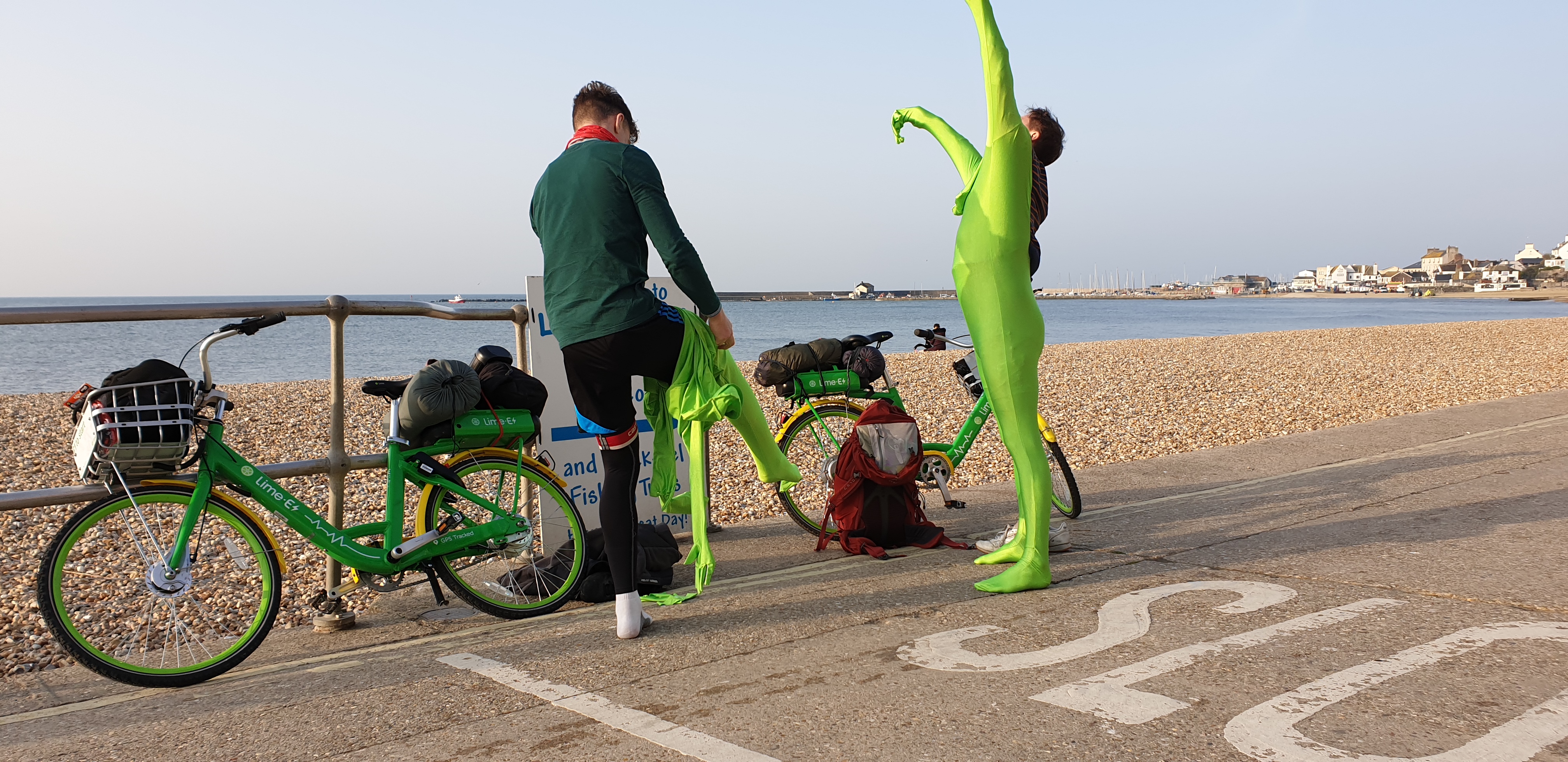
So like Shackleton, Fiennes and Thomas Stevens before us, on the 19th April 2019 Magnus and I – dressed in lime green morph suits – will depart Lyme Regis, Dorset on Lime Bikes
(Google them, they’re awesome) For Limekilns, Scotland – 500 miles away (sadly Sergio won’t be joining us for this one)
As with last year, we’re raising for the Campaign Against Living Miserably.
Unlike last year we’re working in association with Lime Bike, who have given us their full support for this trip – so a massive thank you to Conor and the UK team for endorsing us
two idiots!
This time around, he and his friend Magnus are riding Lime e-bikes from Lyme Regis, which is almost as far South as you can get in mainland UK, to
Limekilns, which is on the “other” side of the Firth of Forth (where the wildlings live). Like Challenge Robin II, there was a fuck-up with the trains and I
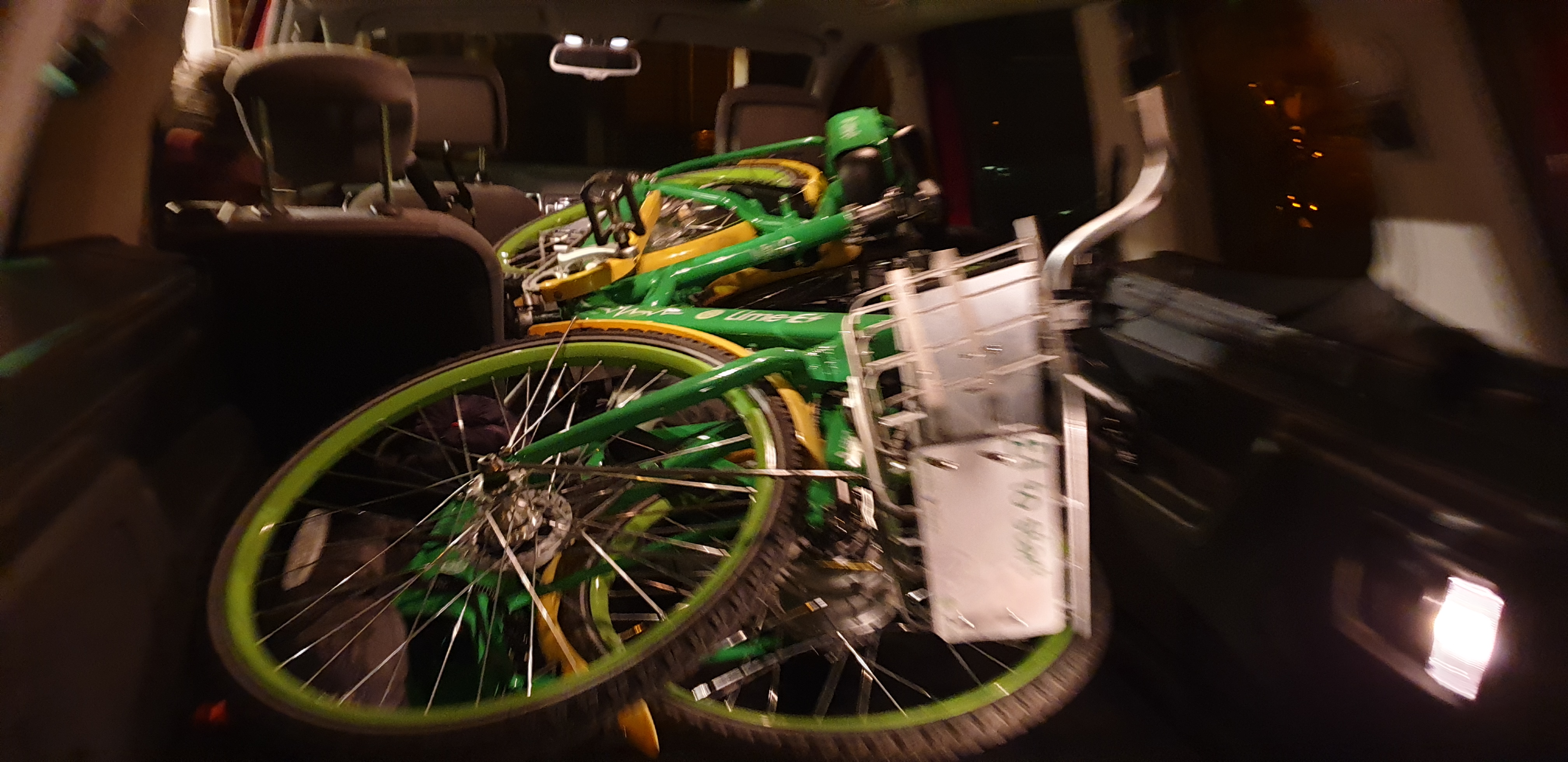
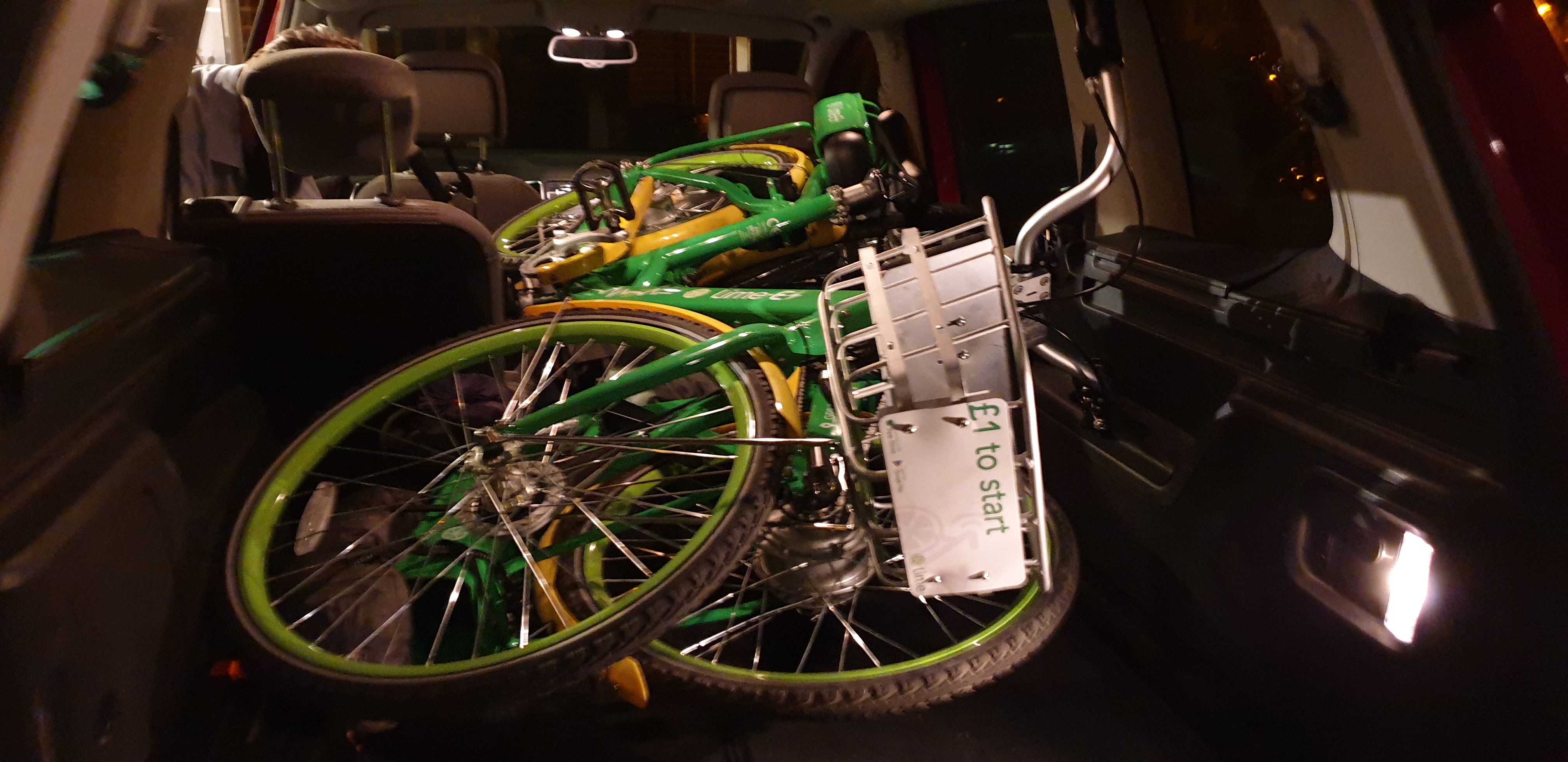
had to drive him from Oxford to Lyme Regis, but at least I got to find a couple of geocaches while I was down there (one, two).
Anyway: you can follow his adventure via Instagram, but what you really ought to do is go donate money to the cause: or if he’s heading broadly your way: offer him a bed for the night so he doesn’t have to
kip in a tent while his batteries charge in the nearest friendly pub.
Big news! This site is no longer using Google Analytics and I’ve switched to a self-hosted version of brand new analytics product Fathom.
Fathom is very simple. It only tracks 4 things: Unique Visitors, Page Views, Time on Site, and Bounce Rate. It shows me a chart of
page views and visitors and then gives me a break down of referrers and top performing content. That’s it. And to be quite honest, that’s about all I need from my blog analytics.
…
You know what, Dave:me too! I’ve been running Google Analytics since forever and Piwik/Matomo (in parallel with it) for about a year and honestly: I
get more than enough of what I need from the latter. So you’ve inspired me to cut the line with Google: after all, all I was doing was selling them my friends’ data in exchange for some
analytics I wasn’t really paying attention to… and I’d frankly rather not.
So: for the first time in a decade or so, there’s no Google Analytics on this site. Woop!
Update 2023-12-13: I eventually went further still and dropped all analytics, even self-hosted variants, and it feels great.