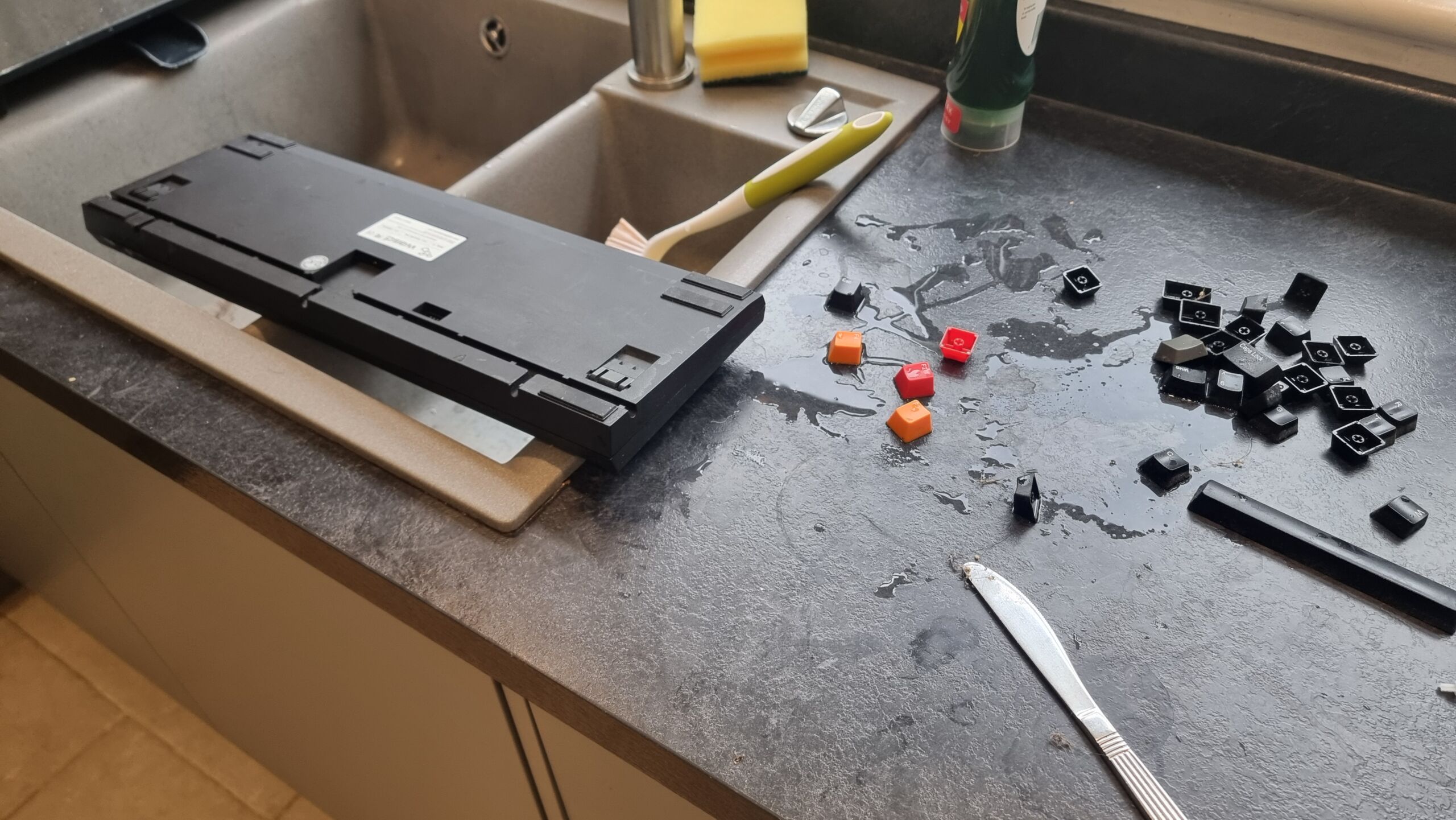
As if I hadn’t suffered enough “flood damage” this year, I started my first workday since rebuilding my home office setup – hour the first time in months! – in our rental… by pouring a cup of coffee into my keyboard. 😱
Tag: disaster
6-12 Months
The insurance loss adjusters came around this morning, accompanied by damage assessors and electricians and whatnot.
The process continues to feel painfully slow. We’re still one to two weeks from confirmation that the insurance company will accept liability and be ready to start paying for, y’know, the immediate concerns like where we’re going to live.
“How long should we plan on renting another house to live in?” I asked, warily.
“Six to twelve months?” guessed the loss adjusters.
Erk! 😭
F-Day plus 3
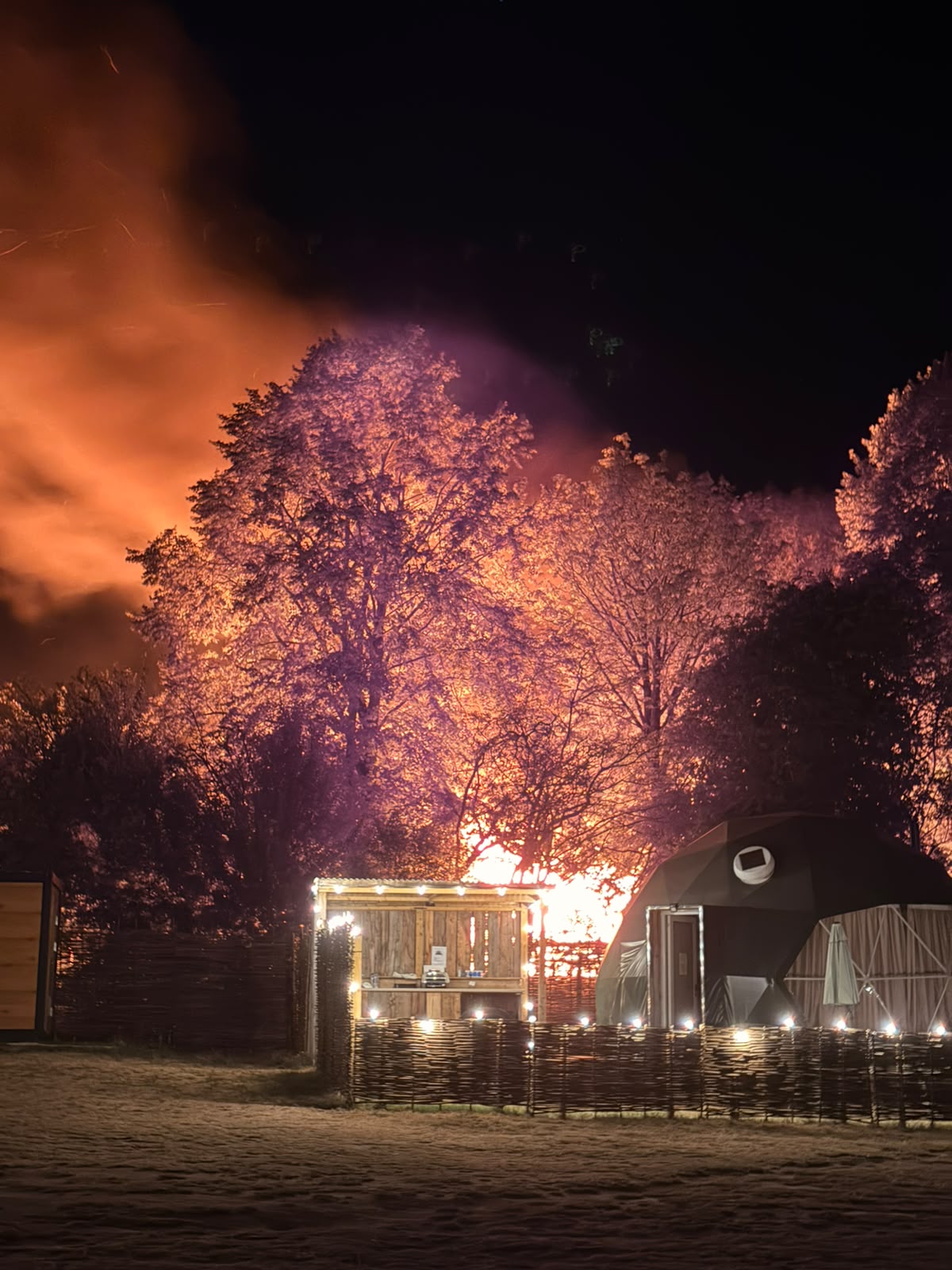
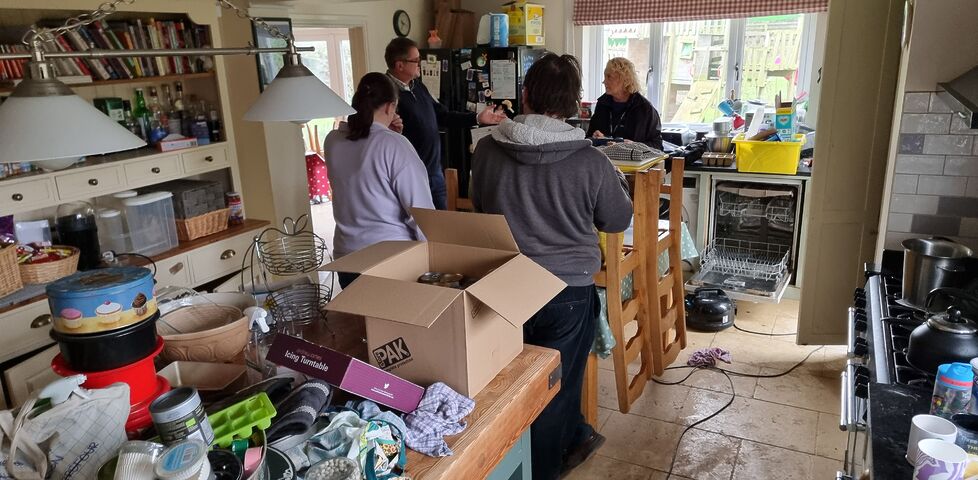
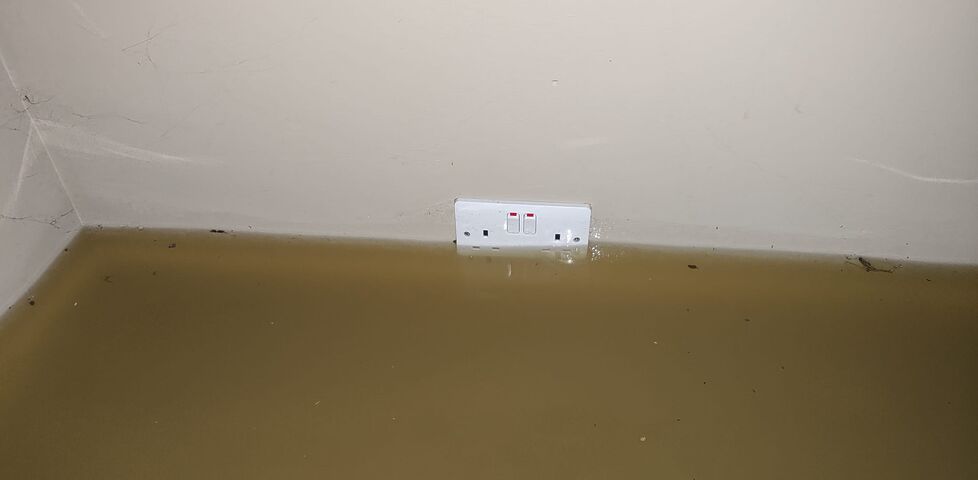
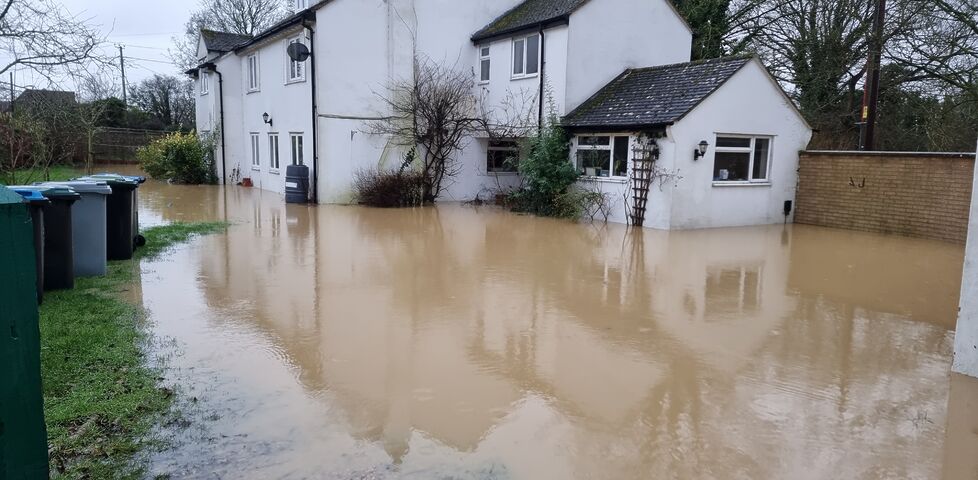
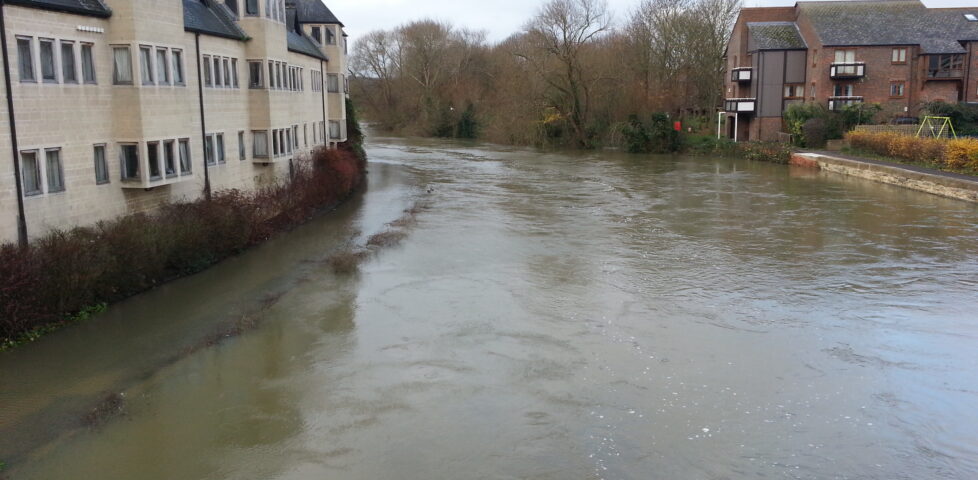
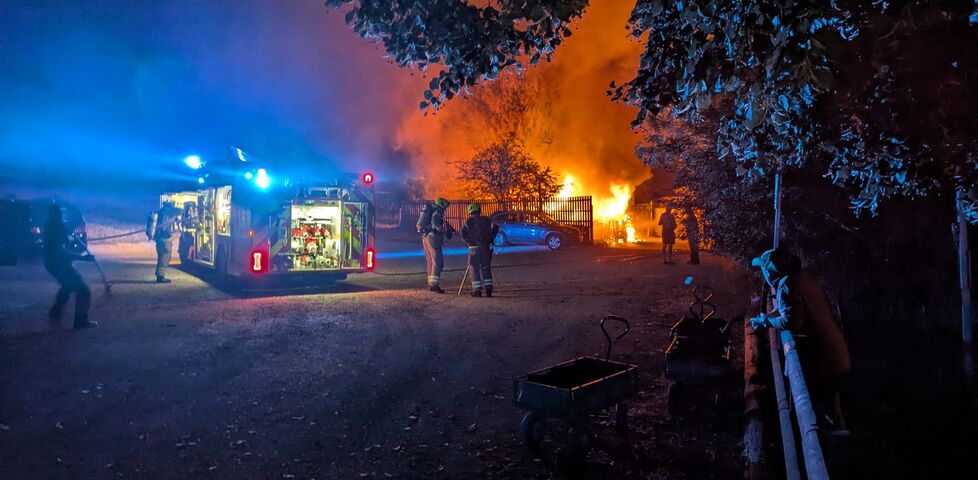
It feels inconceivable to me that we’re only at F-Day plus three; that is, three days since a flash flood rushed through the ground floor of our house and forced us to evacuate. We’ve been able to visit since and start assessing the damage, but for now I figured that what you’d want would be the kinds of horrible pictures that make you say “wow; I’m glad that didn’t happen to me”.
These pictures are all from F-Day itself (which happened to be Friday the 13th; delightful, eh?):
We’ve had a few nights in Premier Inns, but it’s a new week and it’s time to hassle the insurance company to come and have a look around. And then, maybe, we can start working out where we’ll live so the repair work can start.
Ugh.
Normal life
I want normal life back now, please.
I appreciate that it’s only 40-ish hours since my house flooded and we had to move out. But with all the stress and activity that’s necessarily followed, it feels like it’s been so much longer.
Unrelated note: why has the person in the room above me at this hotel been using a pogo stick since around 05:30?
The calm after the storm
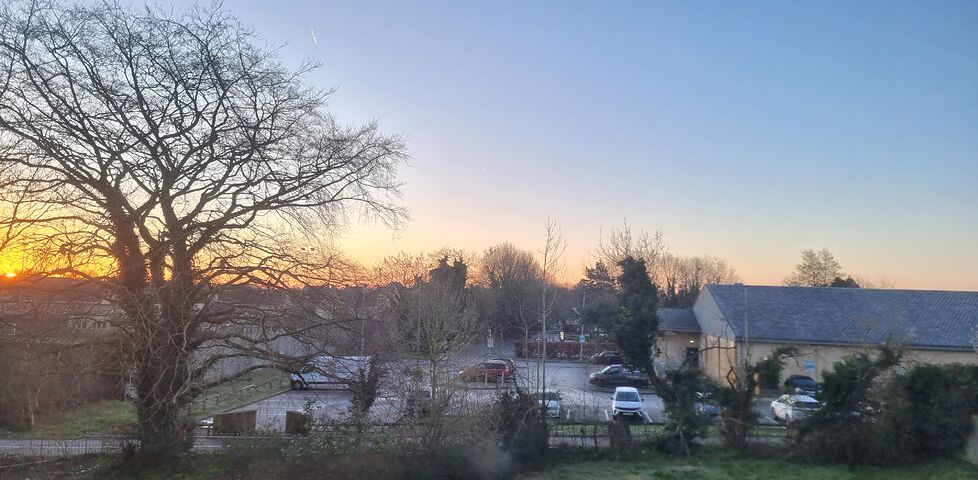
This morning, from my Premier Inn window, the skies are clear. I could almost forget that, just 4 miles away, my house is full of water.
Today may well be a day of waders and damage assessment, conversations with insurance companies and of working out where we’ll be living for the near future.
But strangely, what’s thrown me first this morning was that I couldn’t make this post submit.
Turns out my crosspost-to-mastodon checkbox was checked. Because my Mastodon server… runs on my homelab. Which is currently unplugged and in one of the highest rooms of a house with no electricity or Internet access. (Or, probably, running water… although that matters less to a homelab.)
I think I moved it before it got wet, but yesterday is such a blur that I just don’t know. I remember we spent some time fighting back the water with sandbags and barricades. I remember the moments each room began to fail, one by one, and we started moving whatever we could carry to higher floors (max props to folks from Eynsham Fire Bridade for helping with the heavy stuff). But if you ask me what order we rescued things in, I just don’t know.
I guess we’ll find out when the waters recede, and it’s safe to go check.
Fucking hell.
Flood
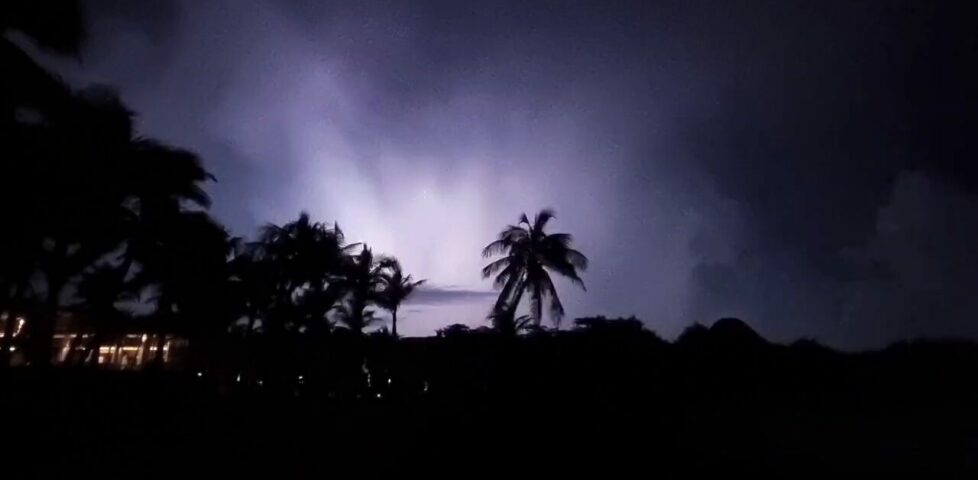
Hurricane Milton
From safely outside of its predicted path, just around the Yucatan coast, Hurricane Milton seems like a forboding and distant monster. A growing threat whose path will thankfully take it away, not towards, me.
My heart goes out to the people on the other side of the Gulf of Mexico who find themselves along the route of this awakened beast.
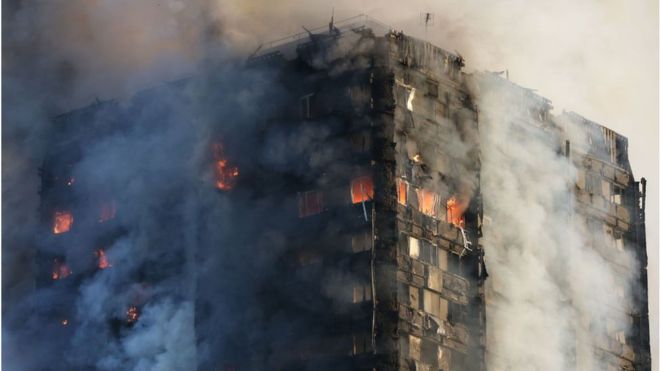
Grenfell Tower: The fires that foretold the tragedy
This is a repost promoting content originally published elsewhere. See more things Dan's reposted.
On 14 June 2017, televisions across the country showed a west London tower block burn. For some, this was history repeating itself – as if five similar fires had simply not been important enough to prevent the deaths of 72 people in Grenfell Tower.
Catherine Hickman was on the phone when she died. It wasn’t a panicked call or an attempt to have some last words with a loved one.
As a BBC Two documentary recounts, she had been speaking to a 999 operator for 40 minutes, remaining calm and following the advice to “stay put” in her tower block flat.
As smoke surrounded her, she stayed put. As flames came through the floorboards, she stayed put. At 16:30, she told the operator: “It’s orange, it’s orange everywhere” before saying she was “getting really hot in here”.
Believing to the last that she was in the safest place, she carried on talking to the operator – until she stopped.
“Hello Catherine.
“Hello Catherine. Can you make any noise so I know that you’re listening to me?
“Catherine, can you make any noise?
“Can you bang your phone or anything?
“Catherine, are you there?
“I think that’s the phone gone [CALL ENDS]“
Miss Hickman was not a resident of Grenfell Tower. The fire in which she and five others died happened in July 2009, at 12-storey Lakanal House in Camberwell, south London. But that same “stay put” advice was given to Grenfell residents eight years later. Many of those who did never made it out alive.
…
Excellently-written, chilling article about a series of tower block fires which foreshadow Grenfell: similar mistakes, similar tragedies. This promotes an upcoming BBC television programme broadcasting this evening; might be worth a look.
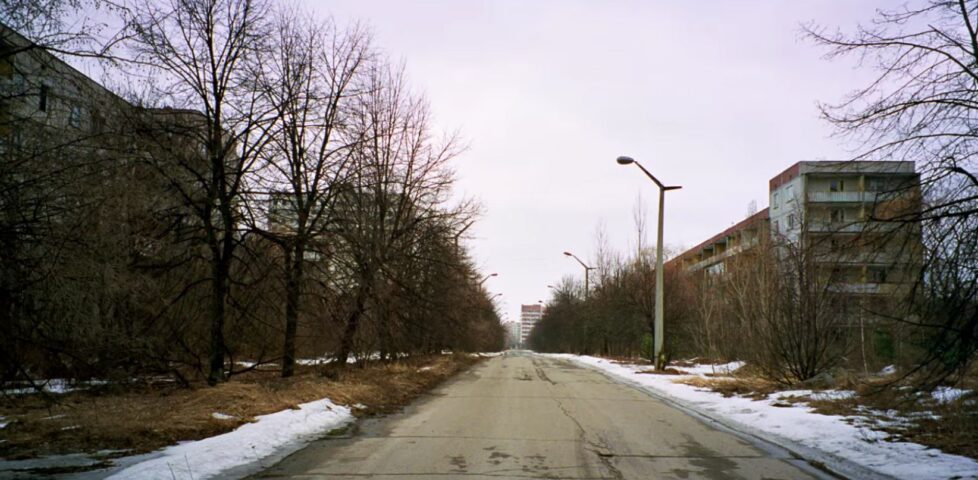
Ghost town 13. Night ride through the dead zone
This is a repost promoting content originally published elsewhere. See more things Dan's reposted.
If you’ve not come across her before: Elena Filatova is a Ukranian woman who periodically motorcycles through the Chernobyl exclusion zone, recording her progress and filming/photographing what she sees on her adventures. I bought her photobook the other year and I’ve particularly enjoyed her videos ever since. Worth a look.
Oxford Under Water
Parts of Oxford have been flooded for the last few days, and apparently the worst is yet to come. I worked from home yesterday, intimidated by the available choices of traversing flooded roads or else taking the hilly 3+ mile diversion around the problem areas, but today: I decided that it was time to man up and cycle in to the office.
Conveniently, we’ve somewhere along the way acquired a large pair of Wellington boots (we think they might have been Paul‘s, but as he’s now left Oxford without them, they’ve been sitting in our charity-shop-box). So I booted up and set out. I was yawning all the way:
I had to weave my way back and forth around the cyclepaths nearest my house, and – on a couple of ocassions – get off the bike and wade it through: I’d considered riding through some of the larger puddles – my mean pedal-ground clearance is about as high as the top of my boots, anyway – until I met a soaked cyclist coming the other way: he’d become disbalanced going over a submarine kerbstone and fallen into the freezing water. Seeing that quickly made me choose the safer strategy!
Alongside the lake was one of the most flood-damaged areas, but heavy barriers had been erected and pumping engines were working at returning the water to the “right” side of them. The lake bridge was completely closed off: it looked like it might be traversable, but if the water gets any higher, it won’t be.
I took the cycle route through Hinksey Park in order to avoid the flooded parts of Abingdon Road, which runs parallel, but I’m not sure that it was much better. In the photo above, you’d be forgiven for thinking that you’re looking at the lake… but in actual fact, the lake is behind me: that’s the playing fields. You can just about make out the line down the middle of the cycle path, through the murky water.
Pressing on, I came to the Thames Path, which my route typically follows for a short distance to the footbridge into the city centre. And that’s when I realised quite how high the river really is.
By the time I found myself on a footpath with a current, I realised that my route might need a little bit of a rethink. With the bridge I was aiming for just ahead, though, I was able to double-back and cut through an alleyway (between some seriously at-risk houses), duck under a couple of “footpath closed” barriers, and splash out to the bridgehead.
By the time I was on the higher, better-reinforced East bank for the river, things began to improve, and within a few minutes I was right in the city centre. There, you wouldn’t know that, only a short distance away, a significant number of streets were underwater. To sit in the dry, on Broad Street, in the middle of Oxford, it seems strange to think that on the edge of town, people are being evacuated from their homes.
Further reading:
- Flood warning for Kennington, from the Environment Agency (looks like we’re just on the right side of the road not to be included in the “flood warning area”).
- “Live” upstream and downstream water level measurements at nearby Iffley Lock (there’s a beautiful moment in the graphs for yesterday morning when they clearly started using the lock itself to “dump” water downstream, occasionally bringing the level to within the typical range.
- Video of evacuations from Botley
- Jack FM’s Traffic Reports have an up-to-date list of roads closed as a result of flooding
Water
My house is full of it. This isn’t good.
Much thanks to Welsh Water, where a friendly man talked me through the quirks in my stop tap (who’d have thought that it would be so hard to turn a tap off and drain a system). Now I suppose I ought to start mopping. Then I suppose I ought to find out what’s burst, and why.
Alongside all of this, I need to work out how to stop my washing machine from being so confused and let me have my bedsheets back. I don’t think the engineers that programmed it ever thought of the possibility that the water supply might be interrupted mid-cycle.
It’s going to be a long night.