@adactio: The ampersand in https://adactio.com/notes/14395 isn’t being properly escaped in your RSS feed, breaking the XML – see e.g. https://validator.w3.org/feed/check.cgi?url=https%3A%2F%2Fadactio.com%2Frss
Category: Personal
The Scrotum Is Nuts
This is a repost promoting content originally published elsewhere. See more things Dan's reposted.
Why are testicles kept in a vulnerable dangling sac? It’s not why you think.
…
Some of you may be thinking that there is a simple answer: temperature. This arrangement evolved to keep them cool. I thought so, too, and assumed that a quick glimpse at the scientific literature would reveal the biological reasons and I’d move on. But what I found was that the small band of scientists who have dedicated their professional time to pondering the scrotum’s existence are starkly divided over this so-called cooling hypothesis.
…
Story: Trophy
This is a repost promoting content originally published elsewhere. See more things Dan's reposted.
Another monologue… This time from a suggestion of “Trophy”:
It’s weird, right? Stressing over something so small. I mean, it shouldn’t be that big a deal, but it is. It’s my trophy. I won it. I put in the hours and effort, I sacrificed for it, it’s mine.
I mean, she doesn’t even want it. She said so.
She said to me “Karen, I don’t care if I win”.
That drives me crazy. How could you not want to win? Isn’t that the point? I mean, why take part if you’re not wanting to win? What is the actual point? Dad always said “If you’re not a winner, then you’re a loser, and we’re not a family of losers”. So that’s driven me all through my life. I have to be first. I have to be the one to win. Nothing else matters. The highest grades in school, medals at the sports days, being top of the class. Nothing else matters.
Nothing.
…
Fabulous short story by my friend Bryn. Go read it…
Digest for September 2018
Summary
This month’s blog activity was mostly dominated by 360° photos taken with my new camera, e.g. 1, 2, 3, 4, 5. I also had to archive two geocaches, Oxford’s Wild Wolf One and Two, as they’d been getting muggled/vandalised. I also shared a fabulous reinterpretation of Who’s On First? for the post-post-modern society.
All posts
Posts marked by an asterisk (*) are referenced by the summary above.
Checkins
- Dan Q archived GC7Q9E6 / OK0457 – Oxford’s Wild Wolf One *
- Dan Q archived GC7Q9FF / OK0458 – Oxford’s Wild Wolf Two *
- Dan Q temporarily disabled GC7Q9FF Oxford’s Wild Wolf Two
- Dan Q performed maintenance for GC7Q96B Oxford’s Long-Lost Zoo
Notes
- Once you’re doing with adding #indieweb awesome to your website, @henrahmagix, you might like to add an RSS feed so people like me can subscribe! In the meantime, I made you a temporary one at https://rssey.danq.me/henryblyth powered by my RSSey tool ( like this: https://github.com/Dan-Q/rssey/blob/master/feeds/henryblyth.js ).
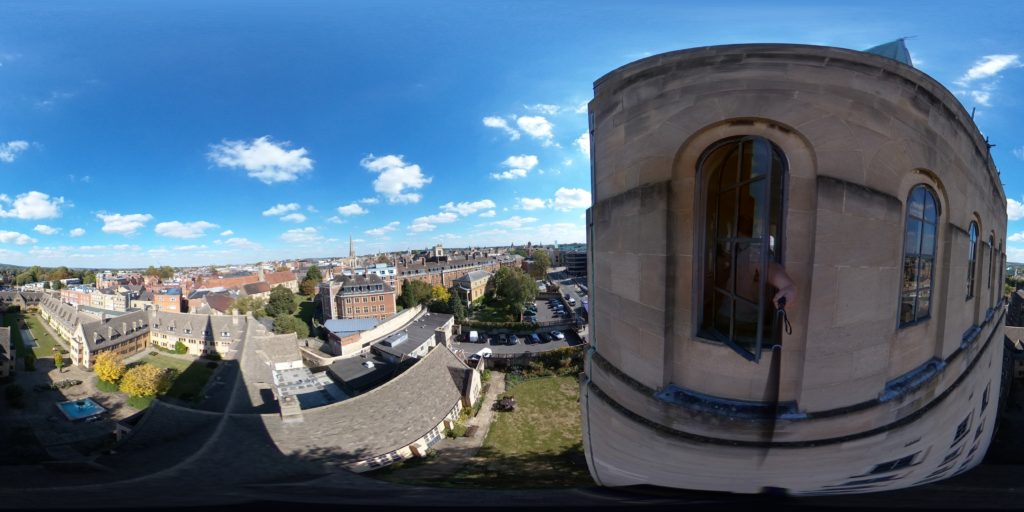
- Oh, go on, one more 360° photo: view from @NuffieldCollege’s (library) tower, ten stories above the #Oxford castle quarter. *
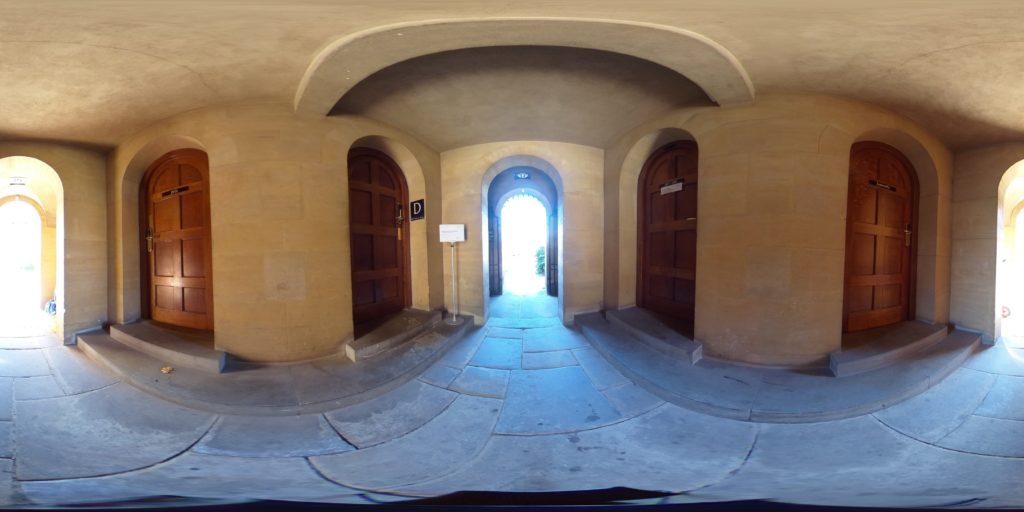
- One last @NuffieldCollege 360° photo on my lunchtime walk. Cool archway! *
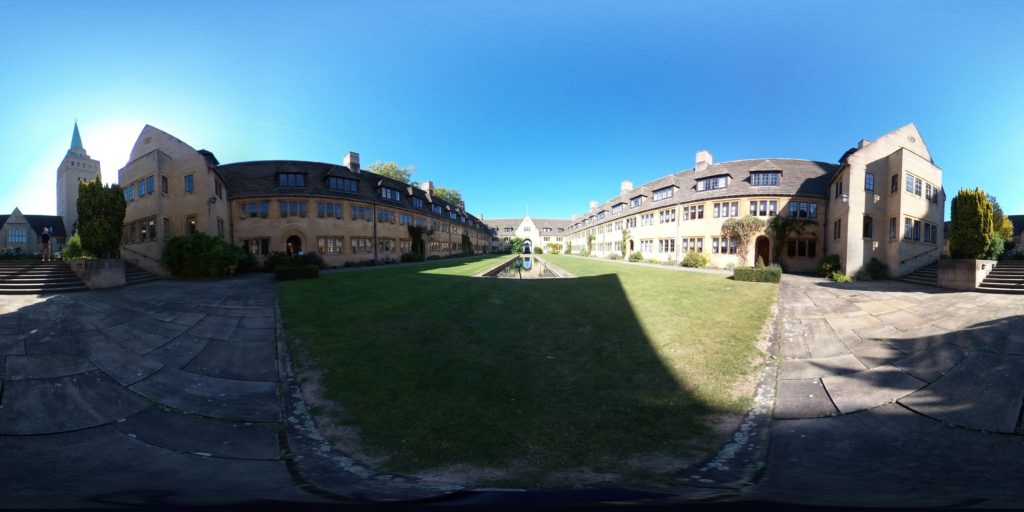
- Walking around @NuffieldCollege at lunchtime: love this long pond. *
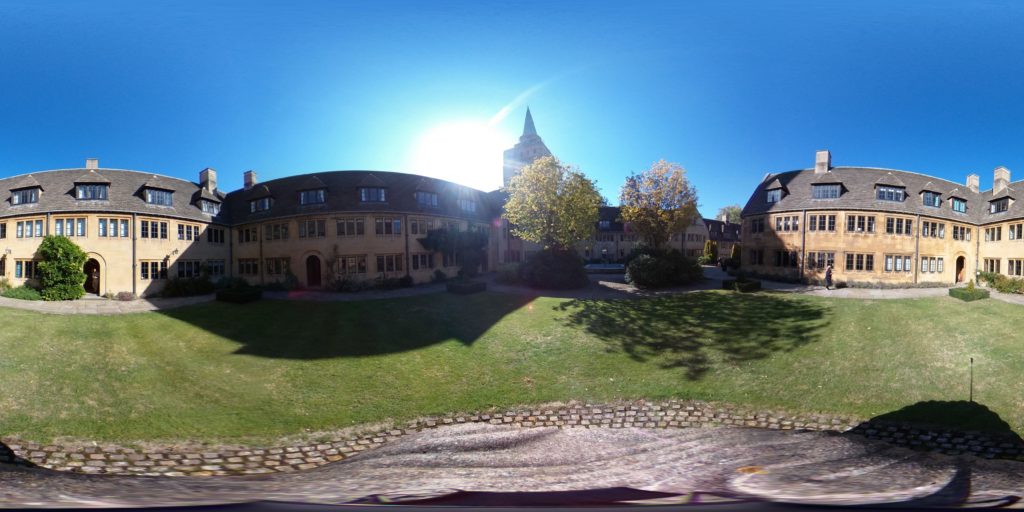
- Lunchtime at @NuffieldCollege gave me another excuse to snap some 360° photos; this one’s part of the quad. *
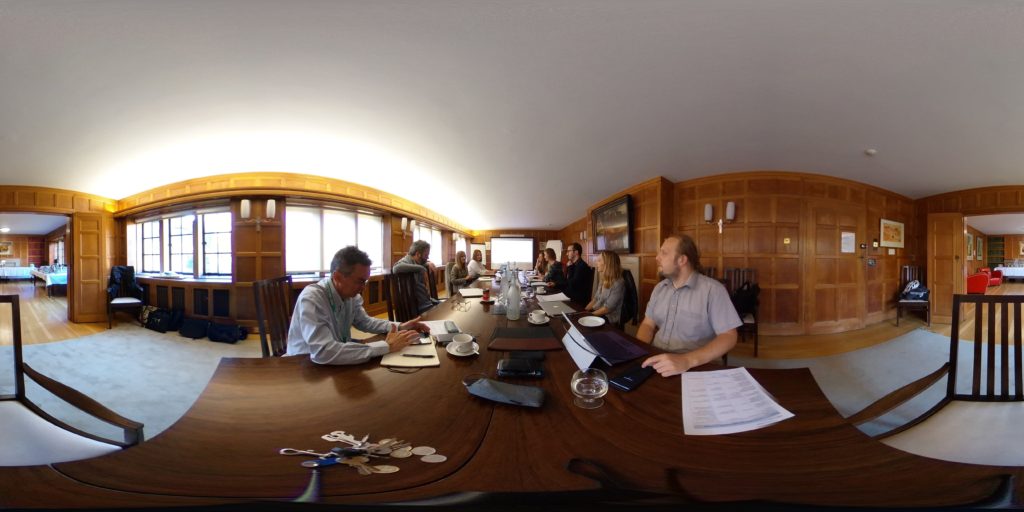
- The @bodleianlibs Comms Team Away Day at @NuffieldCollege provides yet another excuse to play with 360° photography. *
Reposts
Reposts marked with a dagger (†) include my comments or interpretation.
Note #10603
Once you’re doing with adding #indieweb awesome to your website, @henrahmagix, you might like to add an RSS feed so people like me can subscribe! In the meantime, I made you a temporary one at https://rssey.danq.me/henryblyth powered by my RSSey tool ( like this: https://github.com/Dan-Q/rssey/blob/master/feeds/henryblyth.js ).
Note #10601
Oh, go on, one more 360° photo: view from @NuffieldCollege’s (library) tower, ten stories above the #Oxford castle quarter.
Note #10598
One last @NuffieldCollege 360° photo on my lunchtime walk. Cool archway!
Note #10596
Walking around @NuffieldCollege at lunchtime: love this long pond.
Note #10594
Lunchtime at @NuffieldCollege gave me another excuse to snap some 360° photos; this one’s part of the quad.
Note #10589
The @bodleianlibs Comms Team Away Day at @NuffieldCollege provides yet another excuse to play with 360° photography.
That way they would never know
This is a repost promoting content originally published elsewhere. See more things Dan's reposted.
…
Some 702 intimate examinations were done on sedated or anaesthetised patients (table 3). In only 24% of these examinations had written consent been obtained, and a further 24% of examinations were conducted apparently without written or oral consent.
…
This 2003 study at an “English medical school” determined that vaginal/rectal examinations were routinely carried out on anaesthetised patients without their knowledge or consent. “I was told in the second year that the best way to learn to do [rectal examinations] was when the patient was under anaesthetic,” one fourth year student responded, to the survey, “That way they would never know.”
Well ain’t that a thing.
Unwrapping a viper
This is a repost promoting content originally published elsewhere. See more things Dan's reposted.
Ah! That “new snake” smell.
Dan Q trash OK0457 Oxford’s Wild Wolf One
This checkin to OK0457 Oxford's Wild Wolf One reflects an opencache.uk log entry. See more of Dan's cache logs.
The cache has been archived.
Dan Q trash OK0458 Oxford’s Wild Wolf Two
This checkin to OK0458 Oxford's Wild Wolf Two reflects an opencache.uk log entry. See more of Dan's cache logs.
The cache has been archived.
Dan Q temporarily disabled GC7Q9FF Oxford’s Wild Wolf Two
This checkin to GC7Q9FF Oxford's Wild Wolf Two reflects a geocaching.com log entry. See more of Dan's cache logs.
This is definitely muggled to death. Never seen a cache and its hiding place so-deliberately wrecked as this before!