
Tag: video
-
The Mystery
BriTANicK (YouTube)
Brian and Nick are back for the first time in, like, forever. Do you remember what happened before this? It was The Faux Pas, two years ago. And before that? And before that? And before that? The short of it is that it's been a long time since your mom's butthole was … -
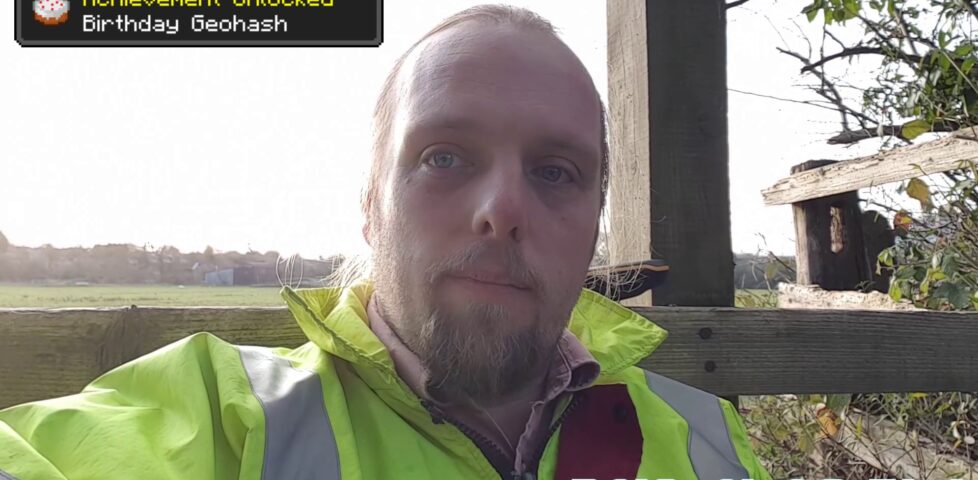
Geohashing expedition 2019-01-08 51 -1 (video)
On the morning of my 38th birthday I set out on an expedition to the geohashpoint in my graticule as a diversion from my way to work: read my full hash log for details (or on the geohashing wiki). Inspired by a spot near the hashpoint, I also hid a geocache ("2019-01-08 51 -1, 09:19", … -
Additional Processors
Computerphile
Computerphile at its best, here tackling the topic of additional (supplementary) processors, like FPUs, GPUs, sound processors, etc., to which CPUs outsource some of their work under specific circumstances. Even speaking as somebody who's upgraded a 386/SX to a 386/DX through the addition of a "math co-processor" (an FPU) and seeing the benefit … -
You've been... Gayageumstruck!
Luna Lee (YouTube)
AC/DC's Thunderstruck played on a Gayageum, a traditional Korean stringed instrument. You might also enjoy it performed on a pair of cellos. Or, as I shared earlier this year, sung by a 21-month-old. -

The Hu - Yuve Yuve Yu
by The Hu
The Hu (YouTube)
Mongolian folk rock. Until right now, you probably didn't even know that this was missing from your life.
Be sure to switch on the translated subtitles (assuming you don't speak Mongolian): they're not perfect, but they're good enough to get the idea. Awesome. -

Toto - Africa (Chicken cover)
Big Marvel (youtube.com)
Big Marvel (YouTube)
One man - who appears to be afraid of chickens - plays Toto's Africa on a rubber chicken, with backup from a real chicken. Congratulations: if you watched this, you just won the whole damn Internet. -
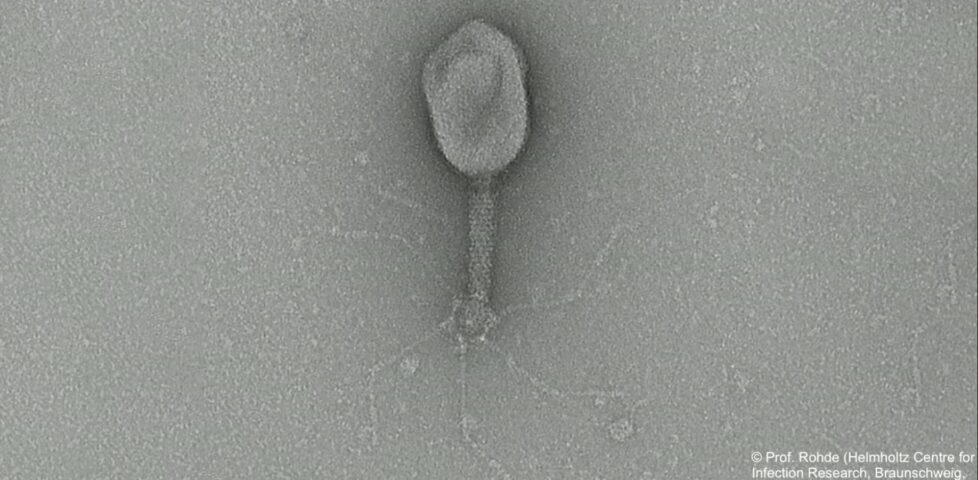
Long-forgotten virus could help solve antibiotics crisis
Alexander Belcredi (TED)
Fantastic lightweight introduction to bacteriophages and how they can potentially be our next best weapon against infection as we approach the post-antibiotic age. Plus an interesting look at the history and the discovery of bacteriophages! -
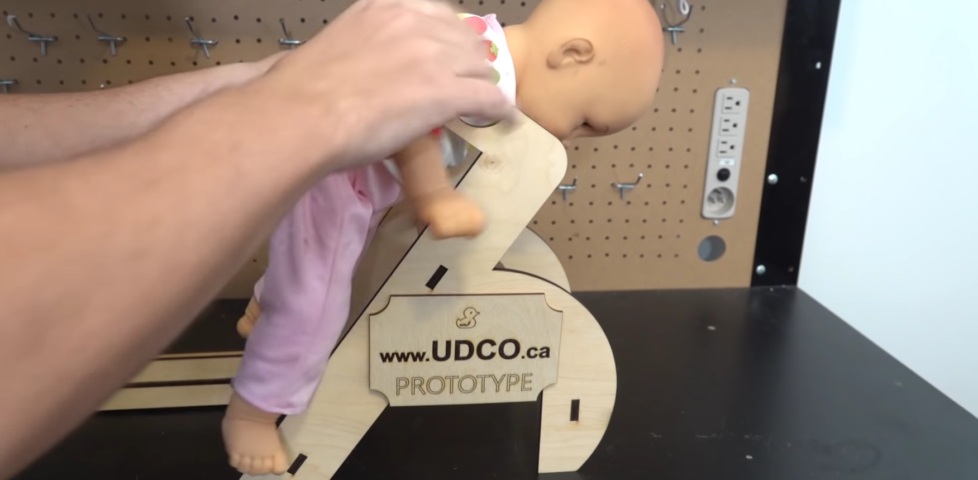
Baby Burping Robot
Useless Duck Company (YouTube)
At the moment at which he described the machine's success, I completely lost it. -

"Ribbon", by Eric Chien
Eric Chien (YouTube)
Possibly the most-spectacular and well-delivered magic routine I've ever seen. I've watched it about a dozen times so far, and loved it every single one of them. -
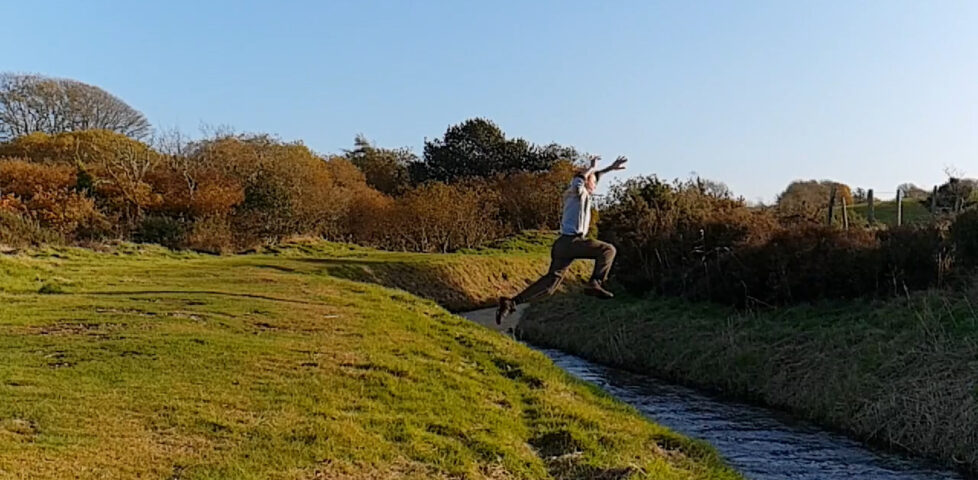
Robin jumps the river
I bet Robin a tenner he couldn't get over without getting his feet wet.
Also available on YouTube and on QTube. -
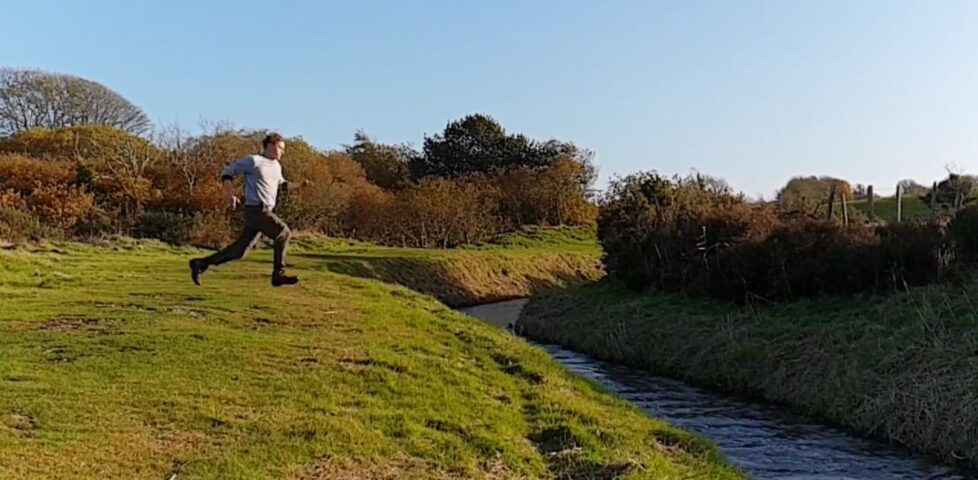
#challengerobin continues unexpectedly into a new day as I bet Robin a tenner that he can't jump a river without getting his feet wet.
-

Perranuthnoe Beach, near Penzance
Also available on YouTube. -

Prussia Cove, near Penzance
Also available on YouTube. -
Why the pencil is perfect
Caroline Weaver (TED)
I love to discover people who are hugely and deeply passionate about things that seem inconsequential to the rest of the world. Especially when they're especially able to express that passion and how exciting their special-thing is, to them. This video (and to a lesser extent the others in the Small … -

The Expert: Wrong Angle
Lauris Beinerts (YouTube)
Do you remember The Expert, that video from 2014 that had engineers around the world laughing and crying in equal measure? Turns out that, earlier this year, a trio of sequels were made! This is the first of them.