A huggy home run.
This link was originally posted to /r/reversereversegif. See more things from Dan's Reddit account.
The original link was: https://i.imgur.com/fLBaI0J.gif
This link was originally posted to /r/reversereversegif. See more things from Dan's Reddit account.
The original link was: https://i.imgur.com/fLBaI0J.gif
This checkin to GC4Z3RZ Boundary Brook: Billy Goats Gruff reflects a geocaching.com log entry. See more of Dan's cache logs.
Just passing by, dropped off a travel bug.
This self-post was originally posted to /r/unitedkingdom. See more things from Dan's Reddit account.
Since 1989, the War Memorials Archive has been trying to keep an up-to-date database for everybody to read, showing the location of every war memorial in the UK as well of details of the dead commemorated there. But their records are incomplete, and sadly many memorials (especially rural ones) are degrading: someday the information on them may be lost.
You can help, and it’s really easy. First, find your nearest local war memorial at http://www.ukniwm.org.uk/server/show/nav.23 – just search in your town or village and you’ll find one. See if it appears and if the information is complete: some records barely show that the memorial is there, others have full lists of names, but many are in-between, merely listing which wars are represented.
Then head out to the memorial and take photos of all sides of it, close enough that you can read all of the text. In the top right corner of the page about your town’s memorial, there’s a link to provide updated information: just type in the new details that you found and send it off. Or, if your memorial wasn’t in the database at all, send them an email.
This Remembrance Sunday you can do more for the memory of those killed in war by helping future generations remember and research, too. Thanks for your help.
This link was originally posted to /r/juryduty. See more things from Dan's Reddit account.
The original link was: https://www.youtube.com/watch?v=uqH_Y1TupoQ
This link was originally posted to /r/MegaMegaMegaLounge. See
more things from Dan's Reddit account.
The original link was: https://i.imgur.com/XYK6LfT.jpg
[this post was originally made to a private subreddit; versions of it posted to more-exclusive private subreddits are not replicated on this blog]
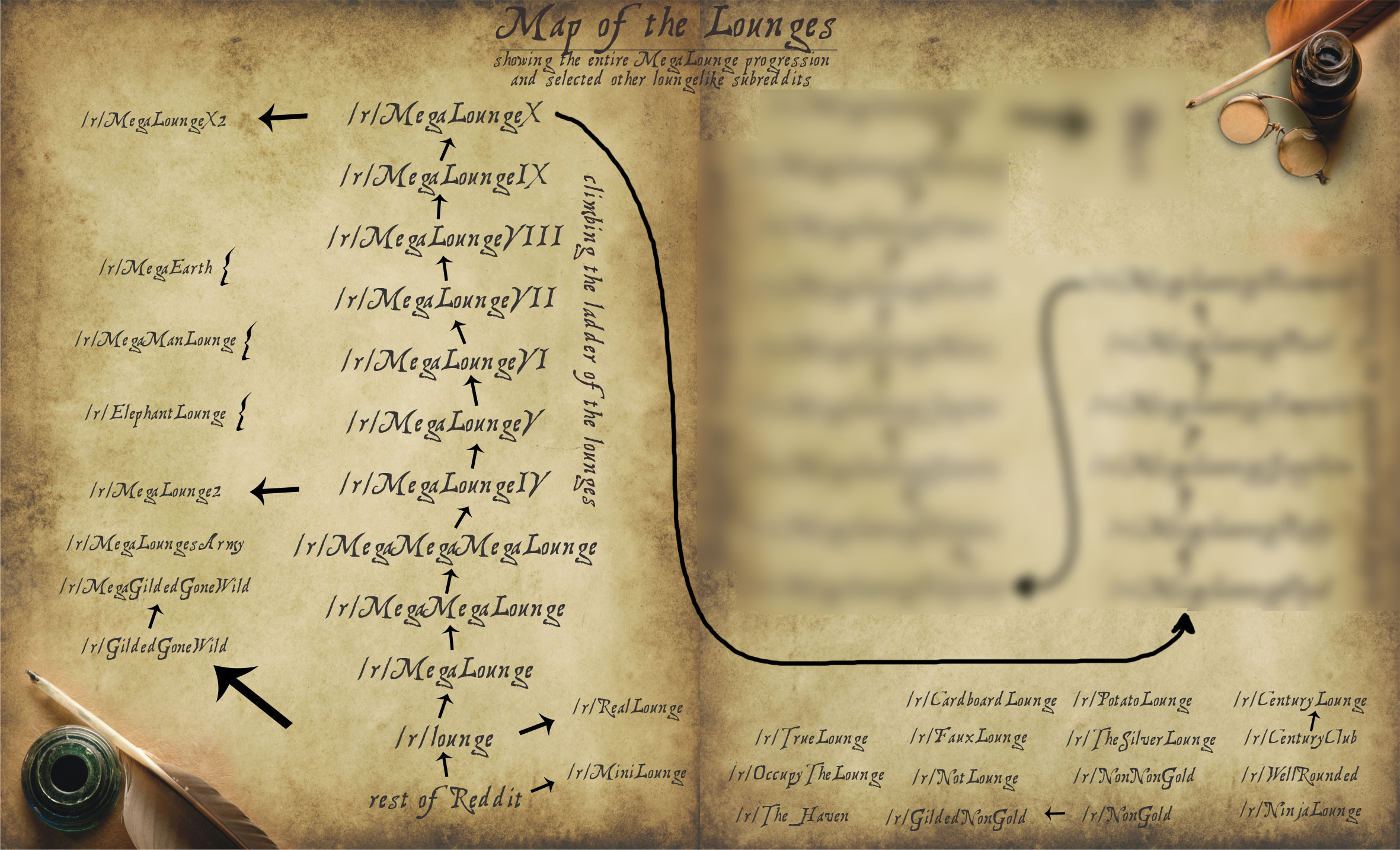
This self-post was originally posted to /r/MegaLoungeGreypo. See more things from Dan's Reddit account.
[originally posted to a private subreddit]
I had a public “megalounges” multireddit that I made available to anybody in the megalounges who wanted a starting point to make a convenient multireddit list. But if I’d have put this subreddit into that list, then it could give away the identity of this “final” subreddit, so I’ve made the multireddit private.
If you use a “megalounges” multireddit and you’re putting this lounge into it, don’t forget to make that multireddit private too!
This checkin to GC54F7N Oxford Steganography #4 - Tilt reflects a geocaching.com log entry. See more of Dan's cache logs.
Performed maintenance: dried out contents and added fresh silica gel sachets to help keep moisture out, adjusted seal to improve waterproofing, added a travel bug that loves mystery caches (help him find more!).
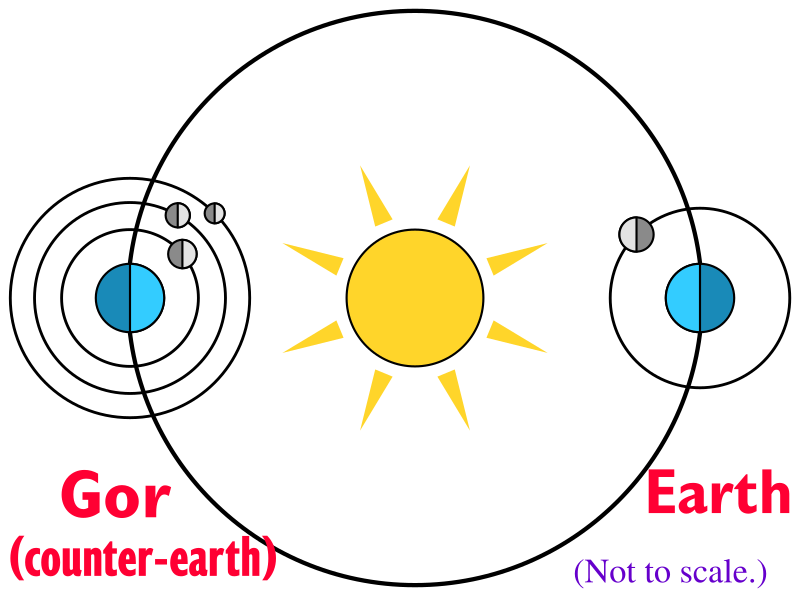
This link was originally posted to /r/MegaLoungeSol. See more things from Dan's Reddit account.
The original link was: https://upload.wikimedia.org/wikipedia/commons/thumb/7/7e/Gor-orbit-diagram.svg/800px-Gor-orbit-diagram.svg.png
[this image was originally posted to a private subreddit]

This link was originally posted to /r/MegaLoungeMercury. See
more things from Dan's Reddit account.
The original link was: http://s3-ec.buzzfed.com/static/enhanced/webdr02/2013/4/16/22/enhanced-buzz-27259-1366166748-0.jpg
[this post, which was originally made to a private subreddit, referenced the image formerly found at http://s3-ec.buzzfed.com/static/enhanced/webdr02/2013/4/16/22/enhanced-buzz-27259-1366166748-0.jpg but which has since disappeared]
This link was originally posted to /r/juryduty. See more things from Dan's Reddit account.
The original link was: https://danq.me/tag/jury-duty/
This self-post was originally posted to /r/The_Haven. See more things from Dan's Reddit account.
[this was originally posted to a private subreddit]
Hi, /r/The_Haven. I’ve had a disagreement with our member /u/NOT_MEEHAN and wanted to get clarification from the community about the interpretation of Rule 2. It all started when I mentioned /r/The_Haven in this thread in the MegaMegaLounge, and /u/NOT_MEEHAN replied to say that I shouldn’t.
My interpretation of Rule 2 is that you can only tell people outside /r/The_Haven the following:
/u/NOT_MEEHAN disagreed with me, and suggested that specifically the first of those interpretations wasn’t true: i.e. that Rule 2 forbids even mentioning that /r/The_Haven exists. As a precaution, I immediately edited my comments to minimise disruption, but because I think that /u/NOT_MEEHAN‘s interpretation might be wrong, I thought I’d come here and ask you guys, the community (and moderators) for a ruling.
tl;dr: Does Rule 2 prohibit mentioning elsewhere on Reddit that /r/The_Haven even exists?
This link was originally posted to /r/ofcoursethatsathing. See
more things from Dan's Reddit account.
The original link was: http://dailyfries.tumblr.com
This review originally appeared on Amazon. See more reviews by Dan.
Overall, a good way to get extra sockets especially above workspaces. However, the shape of the device means that it might not be suitable for every space: for example, if you plug it into one of a pair of sockets you might find that you’re unable to easily use the adjacent socket because the new sockets get in the way of the cable. And if you’re plugging and unplugging things into/out of this power strip often, you’ll discover that it can “wobble” in an alarming way. The power switches feel a little light and plasticky, too.
But still – overall a good idea and reasonable value.
This review originally appeared on Amazon. See more reviews by Dan.
So on the upside: this works, and charging your phone “by magic” is exactly as cool as it sounds. It makes marginally longer to charge, but if you’ve got an S5 it’ll probably save you time in the long run because you don’t have to keep opening the waterproof seal at the bottom of your phone. Plus, this charger uses the Qi standard so it’ll be compatible with lots of other inductive-charging devices now and in the future.
Unfortunately I’ve found that it’s quite fussy about where exactly you have to place the phone in order to make contact. A centimetre or two out from the ideal spot and the phone keeps losing the connection and then regaining it, causing it to beep and the screen to flash (which isn’t much use if you’re trying to sleep!). The upper surface of the charging pad doesn’t have much grip and is convex in shape, so it’s very easy to knock your phone off the ideal spot, too. And while it’s reasonably price, it still feels a little cheap that it doesn’t come with a power supply of it’s own (you have to use the one that came with your phone).
All-in-all, I wouldn’t recommend this, even though it “works”: there are probably better devices out there.
This link was originally posted to /r/wowthissubexists. See more things from Dan's Reddit account.
The original link was: https://www.reddit.com/r/accidentalswastika