
Boring Polyamory: Equality and Bedrooms

Among the correspondence I engaged in following my blog post about my (boring) polyamory were a few examples of people being concerned about the equality of our arrangement: how we keep things “fair”1. By way of example, let’s take a look at a specific example that’s come up. Here’s something that I was asked recently:

Why does [my partner] Ruth not have her own bedroom? Both of her partners [JTA and I] get one!

Where does my partner sleep?

Simplified calendar showing May 2026 with different-coloured dots on the days: 14 of one, 17 of the other.
It’s been joked that polyamory is just a fetish for calendar management. Our family calendars are moderately simple, I imagine, compared to those of people in larger polycules or with less routine.

Except when she’s travelling or otherwise elsewhere2, Ruth spends her nights in an approximately even split3 between JTA‘s bedroom and mine.

This leads some people to observe that:

  • JTA has a bedroom of his own,
  • I have a bedroom of my own, and
  • Ruth “shares” both of those,
  • and this is unfair because her partners both get something that she is denied.

Superficially, this sounds true. But it conflates “fairness” with “parity”.

Fairness versus parity

Parity is making sure that everybody gets the same thing. It’s a simple, but crude, measure of equality. That’s probably why it’s so-popular with children.

“My sister got a doughnut so I should get one too.”

“You had an iced finger instead. You said you prefer iced fingers to doughnuts. And your sister doesn’t like iced fingers. Both of you got what you wanted.”

“Yeah, but now I want a doughnut because she had one!”

– the kind of conversation that’s probably familiar to you if you have children

When you aim for parity, you’re trying to make sure that every person gets the same thing. But this isn’t ideal, because not every person wants or needs the same thing!

A child with a ring doughnut decorated to look like a monster imitates the face of that monster, towards another child who is pointedly not paying attention.
“I don’t even want this. I just don’t want to feel like you’re getting something I’m not!”

Fairness, is aiming to for everybody to be content.

Ideally, everybody would get everything they wanted, all the time! But where that’s impossible, we can aim to at-least ensure that everybody is content. That everything is “good enough” for everybody. Unlike a quest for parity, this respects the fact that people have different needs.

Me personally? I absolutely prefer to have a bedroom of “my own”! In fact, to go even further than that: if I were in Ruth’s position I probably would want a room of my own, if it were feasible. Also, in some kind of hypothetical universe in which neither of us had other partners… I’d still ideally want to sleep alone some of the time (maybe once every couple of weeks?), because I’m of an inclination to occasionally luxuriate in being able to totally starfish-out.

If it were me instead of Ruth at the fulcrum of our V-shaped polycule… I suspect I’d have different needs to Ruth. And that’s fine!4

I’m a big fan of people being able to have their own space if they want it.

When the three of us first started cohabiting I suggested that Ruth should have her own bedroom. In our first shared house, we ensured that she did! But in practice, it never got used. Over time we’ve dropped it in favour of having a spare bedroom: a versatile space that can be place for gaming, or television, or guests5.

It was valuable to start from a position of assuming that we would all get “our own” room: parity is a good starting point! But fairness – meeting everybody’s needs in the most-equitable manner – is a better finishing point.6

Communicating a way to fairness

The world sometimes sucks. Many of the social interactions humans engage in, on a day-to-day basis, are not rooted in fairness. Some human social interactions go to the opposite extreme: they even exploitative.

Have you ever been in a salary negotiation? You might have heard the idiom that the first person to say a number loses. Salary negotiations are an adversarial game. Both sides want to come out with the most money, and so neither side is incentivised to show their hand.

Everything I learned about salary negotiations… I learned from playing Theme Park. Just make sure you’ve got a deal before you run out of biscuits.

Relationships between people who care about each another don’t have to work by adversarial rules (and, in fact, probably shouldn’t!7). If you love and trust and want the best for one another, then – hopefully – you can be honest about what you want, and can be okay with being hearing whether or not it’s something that your partner(s) can provide. Or else work together to find compromise position that best facilitates everybody’s needs!

So: if Ruth decides that she wants to have a bedroom of her own again, we can try to make that happen. If I start an additional serious/committed relationship and decide that I’m not getting enough “alone time”, we can work out how to achieve that. If JTA’s work starts requiring a long and tiring commute and he needs fewer childcare responsibilities, we’d solve for that. We tackle these problems as a family who love and care for one another, with the goal of getting an outcome that’s fair to everybody!

Those outcomes don’t have to mean that we each get “the same”. Just that we each, as far as possible, get what we most want.

Footnotes

1 Sometimes somebody – almost always a man – will claim that our arrangement is unfair to both JTA and I who have to “share” one woman, as if her role were to be “owned” by one of us. Sometimes somebody – almost always a woman – will claim that our arrangement is unfair to Ruth because she has to split her time and attention between two men. I find it hilarious that these two arguments, diametrically opposed, are most-often made on gender lines.

2 The other month, for example, Ruth stayed over at her aunt and uncle’s house after celebrating her uncle’s birthday. JTA and I hung out and watched some RobWords until I, tired after an afternoon of beginners’ tango, took an early night!

3 In actuality, Ruth spends slightly more nights sleeping in JTA’s room than in mine. This, too, is one of those things where people will sometimes instinctively assume represents some kind of injustice to me and that I’m somehow being hard done by or deprived of some kind of relationship “rights”. This is, clearly, nonsense.

4 Also: I couldn’t think of a better way to graphically represent us swapping around into some differently-pivoted V-shaped relationship than by using the deck of playing cards that was on my desk anyway. I was feeling unimaginative, apparently. Can you tell?

5 Or – indeed – a spare room can be a space for for one of us to use, if we’re ill or leaving early in the morning or something and don’t want to disturb a bedpartner.

6 If you’re looking for another example of the difference between parity and fairness, consider taxation! A flat tax like a poll tax exhibits strong parity, because everybody pays the same, but it doesn’t exhibit much fairness because the value of that tax burden is less for somebody who is wealthy than for somebody who is poor. We call taxes that favour parity over fairness regressive taxes. I guess that we could call sharing of family resources in a way that favours parity over fairness regressive sharing?

7 If you’re in a relationship that’s routinely adversarial, then… and I don’t mean to be judgemental… that doesn’t sound like a very healthy relationship to me. Perhaps step back and re-assess whether it serves you both?

× ×

Big Pride

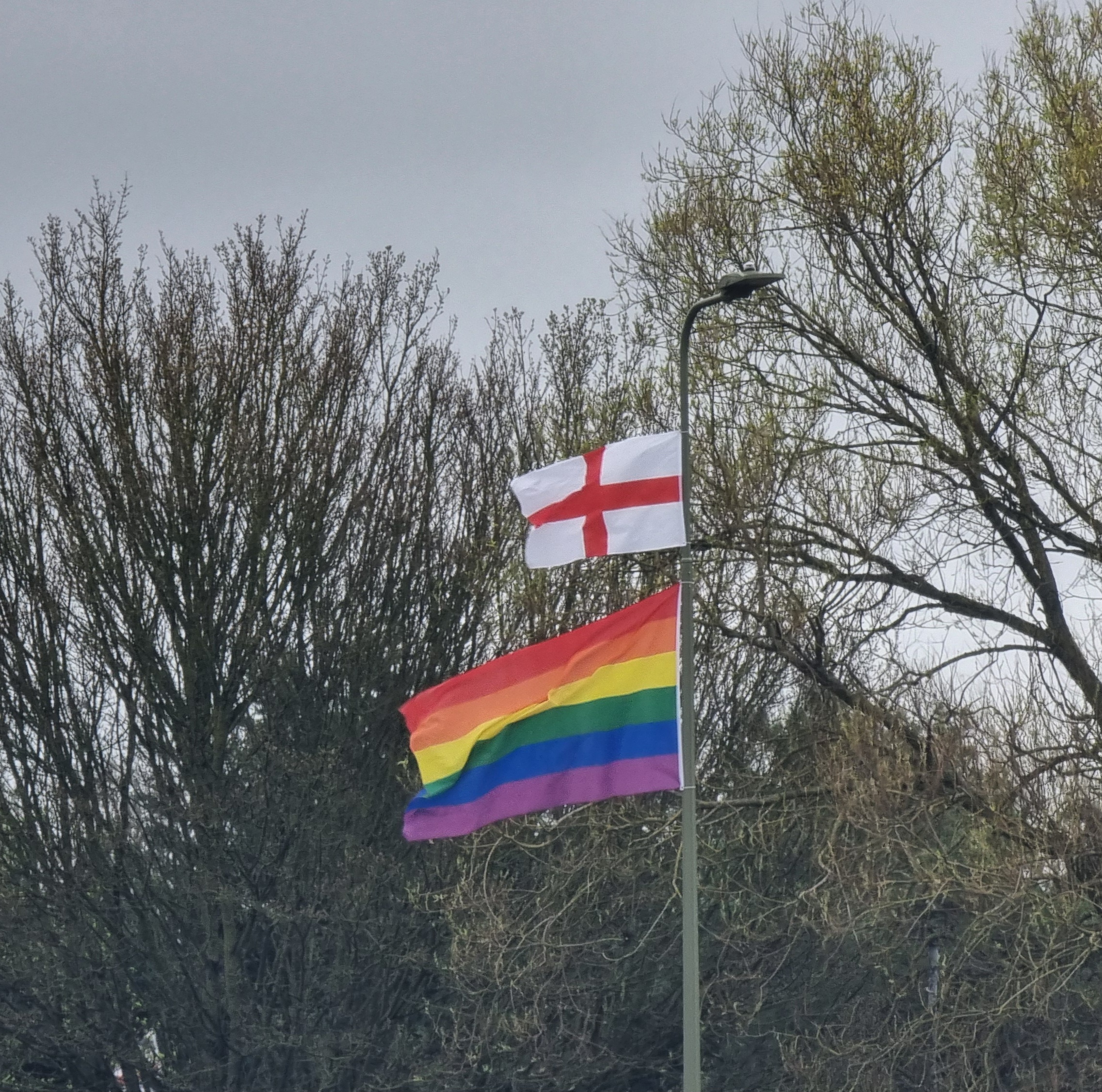
Like many in the UK, I’m dismayed every time I see the plague of St. George’s Cross (flag of England) that nationalists have been hanging on lamp posts on recent years.

So it gave me great joy to see that this lamp post had recently acquired a (larger!) pride flag. 🏳️‍🌈

Two flags hang from a tall lamp post. The smaller upper one is a St. George's Cross, the flag of England.the lower, larger (and much nicer) one is the six-colour Pride rainbow.

If we’re going to become a country that hangs flags everywhere… I’d much rather that they be flags that speak of inclusivity and diversity. ❤️

×

LGBT+ History Month

It’s February, which means that (here in the UK) it’s LGBT+ History Month.1 And it feels like this year, it’s more important than ever to remember our country’s queer history.

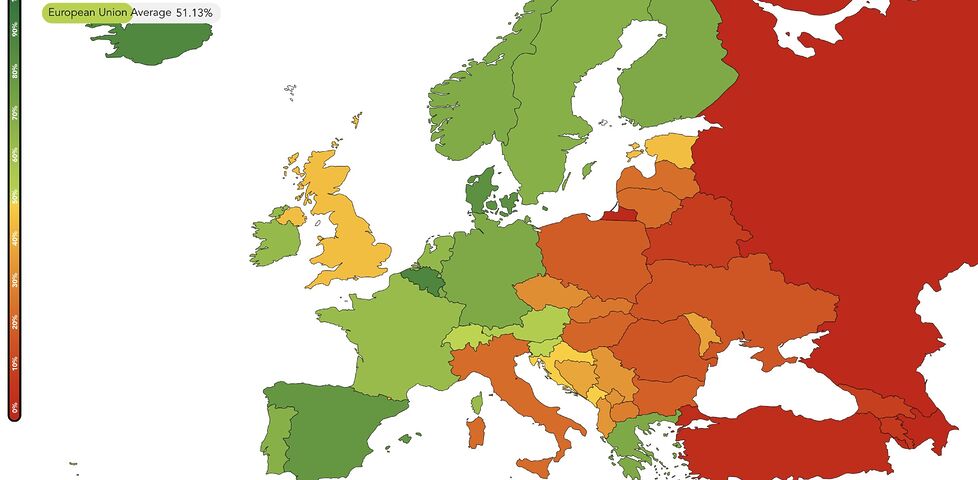
In 2015, the UK was ranked first place in ILGA Europe‘s annual “Rainbow Map” study of LGBT rights in 50 countries of Europe. By 2025, the UK had fallen to 22nd place. That’s the fastest drop of any country in the list, tied with Hungary2 and Georgia3.

'Rainbow Map' of Europe. In general, the trend is that the further East you go, the weaker LGBT+ rights are, with Russia and Turkey being the worst, and the further West the better they get (with Belgium and Iceland excelling). There are a few exceptions, like Italy (less rights than you'd expect) and Greece (more rights than you'd expect), as well as standout Malta (topping the charts), but otherwise the trend is solid... except for the UK, which stands out as a weak performer in Western Europe, even compared to traditionally socially-conservative countries like Ireland and Switzerland.
By the time Western European countries traditionally seen as ‘socially conservative’ like Ireland and Switzerland are outranking the UK in LGBT+ rights rankings… it’s a clue that something’s gone wrong, right?

Knowing your history is important. I’ve talked before about my personal experience of growing up under Section 28, and I don’t think that the UK’s backsliding is, by any means, harmless4. In case the reasons for the UK’s drop in the rankings aren’t obvious, it’s pretty much entirely to do with the UK’s increasingly restrictive gender identity laws (thanks, Supreme Court)5.

This stuff affects everybody. When you build a community that is a safe space for queer people, and trans people,6 everybody benefits7. So even if you’re somehow not compelled by the argument that we should treat everybody fairly and with compassion, you should at least accept that it helps you, too, when we do.

In many ways, queer rights in the UK have been a success story in recent decades. Within my lifetime, we’ve seen the harmonisation of the age of consent (2001), civil partnerships (2004), the Gender Recognition Act (2004), the Equality Act (2010), same-sex marriage (2013; I was genuinely surprised this bill passed!) and the mass-pardoning of people previously convicted under discriminatory sex act laws (2017). These are enormous and important steps and it’s little wonder that the UK topped ILGA Europe’s scoreboard for a while there.

But as recent developments have shown: we can’t rest on our laurels. There’s more to do. History shows us what’s possible; it’s up to us to decide whether we keep moving forward or let it unravel.

So this LGBT+ History Month, don’t just remember the past: pay attention to the present, and push back where it’s slipping.

Footnotes

1 We celebrate it in February; I’ve never truly understood why. The Independent claims the month was chosen to coincide with the 2003 abolition of Section 28 in England and Wales, but that wouldn’t happen until later in the year; it doesn’t really coincide with the Employment Equality (Sexual Orientation) Regulations 2003 (made June, commencing December) either. So if anybody knows the real reason the UK marks LGBT+ History month in February, I’ve love to hear it.

2 Hungary banned same-sex couples from adopting five years ago and banned Pride parades last year, in an incredible backslide for an EU country.

3 Georgia’s backslide is superficially similar to Hungary’s except that one can’t help but feel the influence of partial occupier Russia – a frequent bottom-scorer in ILGA’s list – in that.

4 By the way: I just looked back at my own blog posts tagged ‘sexuality’, and man, that shit is on fire! Some fun things there if you’re new to my blog and just catching-up, if I may toot my own horn a little! (Is “toots own horn” a protected identity? ‘Cos I do it a lot.)

5 It’s also aggravated by established but regressive problems like the fact that the UK still doesn’t outlaw “conversion therapy”, gender identity is not a recognised justification for seeking asylum, and protections for intersex people are basically nonexistent.

6 And, it turns out, furries, who’ve ‘gone from “ew cringe” to “they’re the lichens of a healthy social ecosystem”‘.

7 Everybody benefits… except, perhaps, nazis.

×

Gay sheep – what the FAQ?!

This is a repost promoting content originally published elsewhere. See more things Dan's reposted.

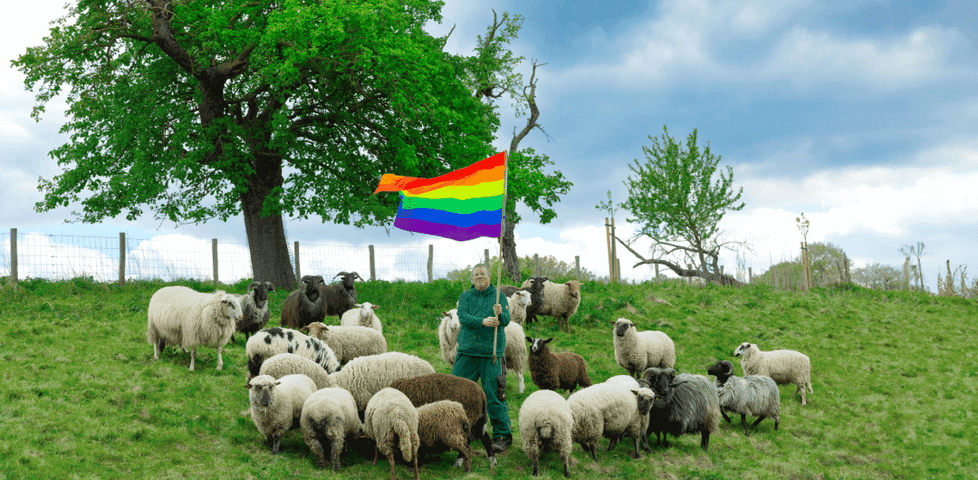
Did you know that about 1 in 12 sheep is gay? And we are not just talking about rams. According to scientists, same-sex behaviour has been documented in over 1500 species. You see, queerness is quite prevalent on planet Earth. But sadly, there are still many people that have a problem with it. The shocking truth is: 62 countries still criminalize same-sex relationships – that’s right, it’s illegal to be gay in one third of the world! And even where it is not illegal, cases of queer hostility are increasing – including in Germany. This is why we are getting the help from a gay flock of rams in a small town in Germany: We are using their wool to create fashion products that support projects for the queer community.

A flock of sheep on a green meadow with a shepherd holding a rainbow flag.

Meet the world’s first gay flock of sheep

Sadly, gay rams are often sent to slaughter because they can’t fulfill a farm’s “breeding role.” We rescue them before that happens, giving them a safe home where they can live and love freely. Each year, their wool is crafted into fashion, with profits donated to the queer charity LSVD+. You can also adopt a gay ram – helping cover food and medicine to keep them happy and healthy for life. Every adoption comes with a digital certificate you can print at home.

Well this is just adorable.

About 1 in 12 rams (and a similar proportion of ewes) show a strong preference for other sheep of their same sex. Which is useless for breeders, who expect their rams to be able to impregnate 40 ewes per fortnight, so such rams tend to be destroyed.

But this farm in Germany has started rescuing them and allowing people to “adopt a gay sheep” to help sponsor their care and upkeep. They also collect a small amount of wool from their queer flock and make products (which almost-immediately sell out).

So yeah: there’s a flock of homosexual sheep living happily together on a farm in Germany, and that’s just awesome.

Imajica by Clive Barker

Cover for Imajica by Clive Barker. In a dark cosmos, the planet Earth is encircled by an approaching ribbon of gold, filled with various magical shapes: leaves, stars, spiders, birds, an ouroboros, etc.Clive Barker’s Imajica has long been one of my favourite fantasy novels. The heft of the single-volume edition renders it both unwieldy and intimidating, which is probably why my most recent reading of it was only the fourth time I’ve enjoyed it from cover-to-cover. But enjoyed it I did, and I’m sure I’ll pick it up again in a further decade or so for another adventure.

I’m aware that it draws comparison to his perhaps more-widely-read Weaveworld, but somehow that never did it for me in the same way. Perhaps my mistake was reading Imajica first, way back when I was a teenager, and so satiating my appetite for “curious flawed everyman explores adjacent reality alongside magical woman, faces horrors”; just an unfortunate coincidence that I picked up Weaveworld right after!

I also fully accept the critics who observe that it’s exceptionally drawn-out, at times. But where it does seem to drag, it does so with a certain gravity; an inertia: the slower parts of the story are full of intention, and meaning, and – frequently – foreshadowing. I still find new expressions of its themes in it, each time I read it. This time around, for example, I found myself finding a plethora of reflections of protagonist Gentle’s role as a forger: unable to create anything novel as an artist (for reasons that become apparent in the long run) but only able to copy beautiful things belonging to others. This self-inflicted curse shows up again and again in innumerable subtle ways before the truth of it is (finally, eventually – did I mention how weighty this fat book is?) exposed… and with such an epic tale it’s little wonder that it’s impossible to remember all of the indications that preceded it!

I’ve long appreciated how Imajica plays with gender and, to a lesser-extent, relationships and sexuality, in a way that was revelatory for me on a first reading and which with the benefit of hindsight I can see is incredibly progressive for its age. Gentle and Judith exist each to further the plot in their own ways, not as romantic “goals” for one another… despite not only tropes in the genre but also the ways in which their characters are presented within their world – by which I mean: this isn’t a story about how they “get together at the end”, and that subverts both the expectation of how they’re introduced in the writing and also the destinies with which their characters seem to be imbued. Pie’o’pah presents, depending on the circumstance, as either male or female but also as some other gender entirely. Gender is a huge overarching theme, with a oppressive patriarchal power that’s threatened by a mysterious feminine energy playing a key role that, like everything else, is quietly echoed throughout the novel.

But perhaps my favourite part of this wonderful book is its world-building, which – through the eyes of an outsider – paints a rich picture of each of several fantastical dominions. Over the course of the adventure a character draws a map to chart the wonders of the story’s universe, but it’s ultimately incomplete (and perhaps impossible to complete). That’s what it feels like to me as a reader, too: like being given a glimpse of a wider and even-more-wonderful world just beyond the horizon: a fantastical creation too large to ever fully comprehend. While retaining a focus on the story of three-or-so core characters, Barker teases us with the idea that there’s “something more” just beyond our peripheral vision. And that’s flipping amazing.

×

Hetero Awesome… Hijacked

This is a repost promoting content originally published elsewhere. See more things Dan's reposted.

I somehow missed this “most punk rock thing ever” moment the other month. If you did too, let me catch you up:

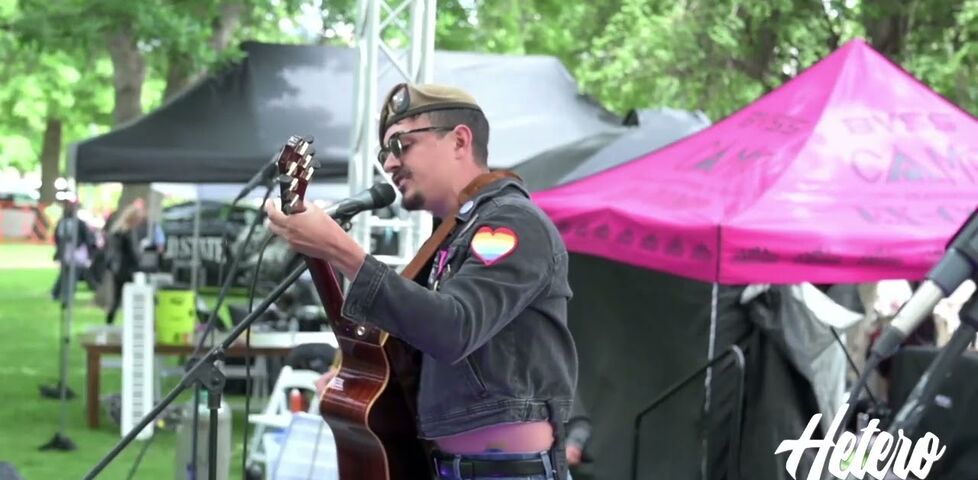
For a weekend in June, in what was clearly designed to act as a protest to Pride month events, human turd/bar owner Mark Fitzpatrick decided to put on a “straight pride” festival in Boise, Idaho. Called “Hetero Awesome Fest”, it was as under-subscribed as perhaps it ought to be (having a similar turnout to the “world’s smallest pride parade”). And that would have made it a non-story, except for the moment when local singer-songwriter Daniel Hamrick got up to perform his set:

I can’t begin to fathom the courage it takes to get on-stage in front of an ultra-conservative crowd (well, barely a crowd…) in a right-leaning US state to protest their event by singing a song about a trans boy. But that’s exactly what Hamrick did. After catching spectators off-guard, perhaps, by taking the perhaps-“masculine-telegraphing” step of drawing attention to part of his army uniform, the singer swiftly switched outfit to show off a “Keep Canyon County Queer” t-shirt, slip on a jacket with various Pride-related patches, and then immediately launched into Boy, a song lamenting the persecution of a trans child by their family and community.

Needless to say, this was the first, last, and only song Daniel Hamrick got to play at Hetero Awesome Fest. But man, what a beautiful protest!

(There are other videos online that aren’t nabbed from the official event feed and so don’t cut-out abruptly.)

Bored Gay Werewolf by Tony Santorella

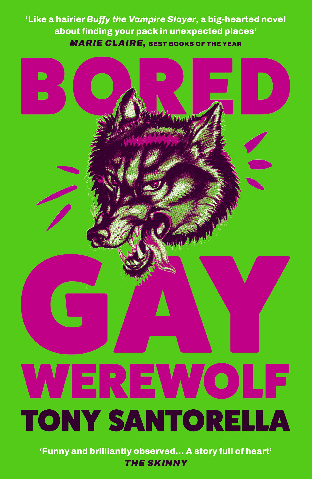
Cover for Bored Gay Werewolf by Tony Santorella. It's bright green with a mixture of pink and black uppercase letters, with a colour sketch of the head of a slavering wolf in the centre.What can I possibly say about Bored Gay Werewolf, which caught my attention with the garish colours of its front cover when I saw it in Waterstones and whose blurb suggested that it might, perhaps, be a queer fantasy romp with a Buffy-esque sense of humour.

Werewolf? Sure, it’s got a few of those. There’s even a bit of fun, offbeat humour each time the protagonist reflects on their curious monthly cycle and tries to work out whether they attacked or even killed anybody this time around. But mostly it’s not a story about werewolf: it’s a story about a slacker who gets suckered into a pyramid scheme, with just a hint of lycanthropy around the fringes.

Gay? I mean: the protagonist’s gay, and many of their friends are queer… and while the representation is good, sexuality doesn’t feel like it’s a particularly significant issue to the storyline. I enjoyed the parallels that were drawn between Brian’s coming-out as gay versus his (for most of the story) closeted werewolf nature – which even though I saw them coming from the first chapter onwards were still well-presented – but apart from that it almost felt like gayness wasn’t a central theme to the story. A smidge of homophobia, some queer culture references, and a throwaway Grindr hookup with a closeted MSM dude do not contribute enough homosexuality to justify “gay” being the largest, pinkest word on a novel’s cover, if you ask me.

BoredI was, at some points in the book, but I’m not convinced that’s what was intended. The pacing’s a little inconsistent: a long and drawn-out description of an exercise routines overshadows an exploration of the impact of werewolf super-senses, for example. And a long-foreshadowed fight scene finale feels like it’s over in an instant (with a Van Helsing ex Machina twist that felt simultaneously like the brakes being slammed on and a set-up for an inevitable sequel).

I sound pretty negative about it, I’m sure. But it’s not actually bad. It’s just not actually good, either. It’s a passable, middle-of-the-road time-filler with an interesting hook, a few funny set pieces (I laughed out loud a couple of times, for sure), and a set of misfit characters who spend most of the book feeling a little… incomplete? Though it’s possible that latter point’s at-least partially deliberate, as this is without a doubt a “Gen-Z Grows Up” story. Maybe if I were younger and didn’t yet have my shit together the story would appeal better.

×

Queer Coded 🌈

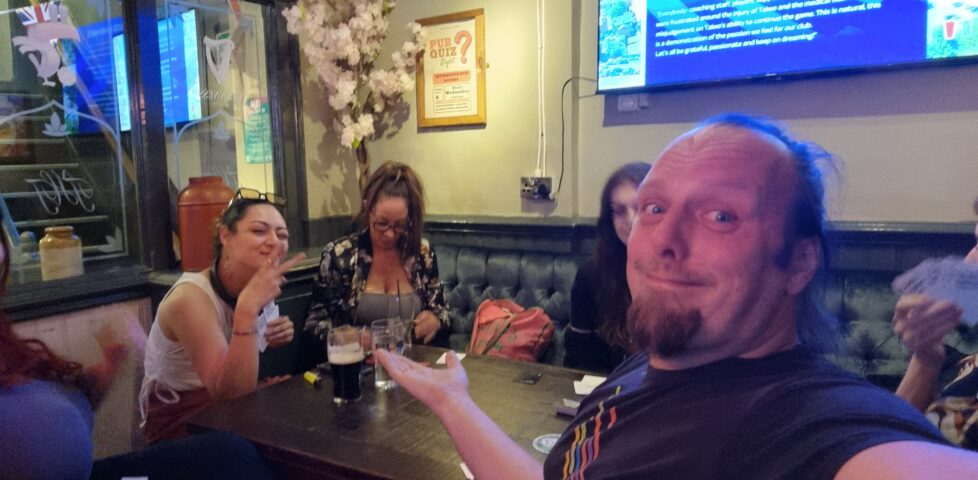
Paraphrased from a conversation in a Manchester pub last night –

Them: Your [dyed blue] hair is queer-coded, right? Like… you’re telegraphing you’re queer?
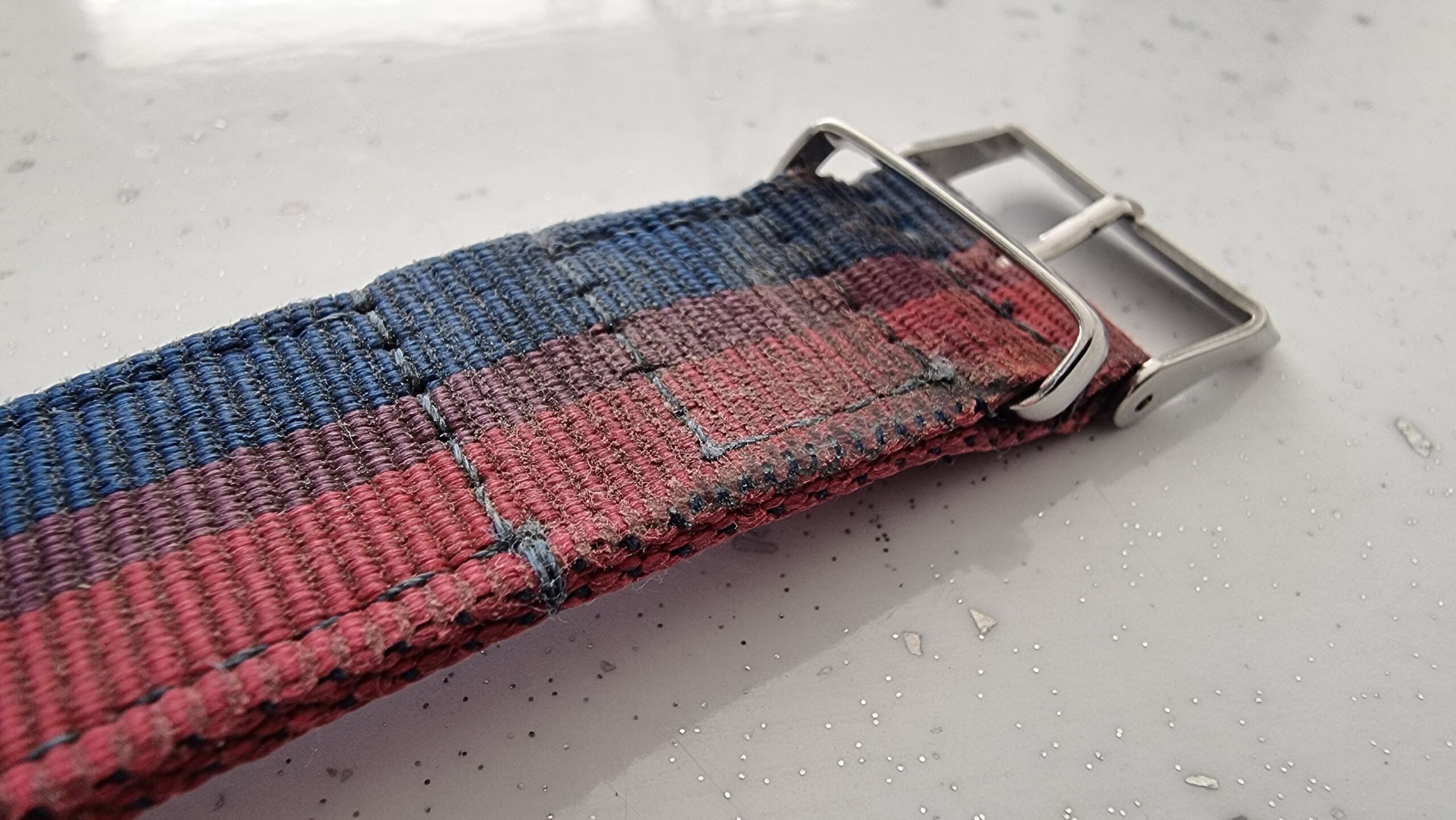
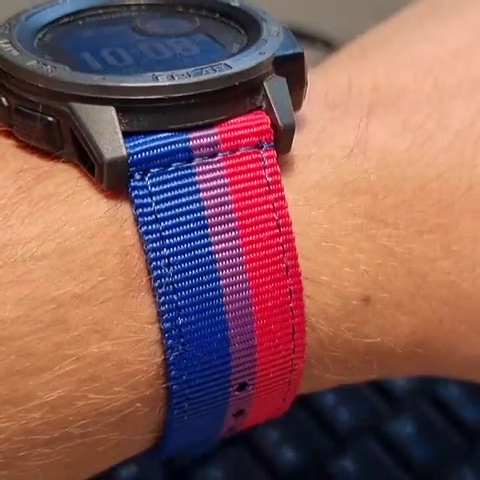
Me: I mean… I’m also wearing a pride rainbow t-shirt and my watch strap is a ‘bi pride’ flag. I don’t feel like I’m being subtle.
Them: Nah. The hair’s the giveaway.

Dan shrugs for the camera as he sits at a pub table with a variety of people; one woman, sat to his left, throws a V-sign with her fingers.

×

Queers make the world a safer place

This is a repost promoting content originally published elsewhere. See more things Dan's reposted.

A straight white guy friend was complaining about not being able to find any gaming groups for WoW that weren’t full of MAGA assholes. He said he keeps joining guilds with older (60+) casual gamers like himself because he can’t keep up with the kids, and he’ll start to make friends, but then they will reveal themselves to be Trump-lovers. He asked, “What am I doing wrong?”

This was about 3 months ago. Now, he tells me he joined a guild labeled as LGBTQ-friendly and has made several new cool friends.

He mentioned that there are many women and PoC in the group too, and “Everyone’s so nice on dungeon runs, telling people they did a good job and being supportive, sharing loot.”

I didn’t tell him that this is what the whole world would be like without patriarchal toxic masculinity, because I think he figured it out himself.

I’ve plucked out the highlights, but the deeper moral is in the full anecdote. I especially loved “…furries are like lichen…”. 😆

Woke Kids

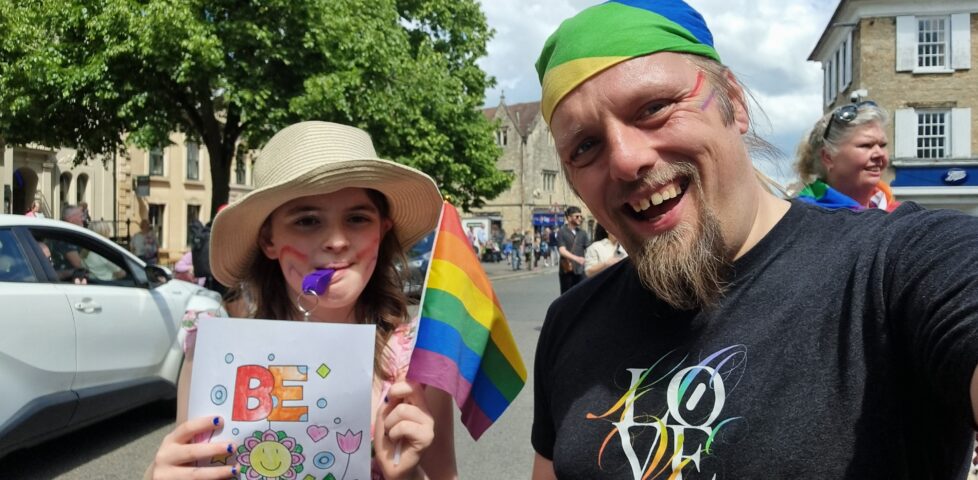
The other weekend, I joined in with the parade at Witney Pride, accompanied by our 10-year-old who’d expressed an interest in coming too.

It was her first Pride but she clearly got the idea, turning up with a wonderful hand-coloured poster she’d made which, in rainbow colours, encouraged the reader to “be kind”.

A Pride parade marches down a high street: Dan and his eldest can be seen in the very background.
You’ve seen pictures of Pride parades before, possibly even ones with me in them.

You know what: our eldest is so woke it makes me embarrassed on behalf of my past self at her age. Or even at twice her age, when I still didn’t have the level of social and societal awareness and care about queer issues that she does already.

A tweeny girl and a 40-something man with rainbows painted on their faces wave flags in a Pride parade. The child has coloured-in a poster saying "be kind".
I’d equipped her with a whistle (on a rainbow lanyard) and instructions that in the event of protests from religious nuts she shouldn’t engage with them (because that’s what they want) but instead just to help ensure that our parade was louder than them! I needn’t have worried though: Witney ain’t Oxford or London and our march seemed to see nothing but joy and support from the folks we passed.

When we got to the parade’s destination, the kid found a stall selling a variety of badges, and selected for herself a “she/her/hers” pronoun pin.

“It’s not like anybody’s likely to look at me and assume that my pronouns are anything other than that,” she explained, “But I want it to be normal to talk about, and I want to show solidarity for genderqueer people.”

That’s a level of allyship that it took me until I was much, much older to attain. So proud!

× ×

Don’t Ask, Don’t Teach

Politics and pundits

The UK’s Conservative government, having realised that their mandate is worthless, seems to be in a panicked rush to try to get the voters to ignore any of the real issues. Instead, they say, we should be focussed on things like ludicrously-expensive and ineffective ways to handle asylum seekers and making life as hard as possible for their second-favourite scapegoat: trans and queer people.

Screengrab from Last Week Tonight with John Oliver. John Oliver is subtitled as saying: In the end, Sunak did an end-run around the ruling that Rwanda was too dangerous by simply having his government officially declare Rwanda a "safe country".
By the time John Oliver’s doing a segment about you, perhaps it’s time to realise you’ve fucked up? But our main story tonight is about sex education…

The latest move in that second category seems likely to be a plan to, among other things, discourage teachers from talking about gender identity in schools, with children of any age. From the article I linked:

The BBC has not seen the new guidelines but a government source said they included plans to ban any children being taught about gender identity.

If asked, teachers will have to be clear gender ideology is contested.

Needless to say, such guidance is not likely to be well-received by teachers:

Pepe Di’Iasio, headteacher at a school in Rotherham, told Today that he believes pupils are being used “as a political football”.

Teachers “want well informed and evidence-based decisions”, he said, and not “politicised” guidance.

Cringey political poster reading "Is this Labour's idea of a comprehensive education? Take the politics out of education, vote Conservative", alongside three books: Young gay & proud, Police: Out of School!, and The playbook for kids about sex.
I can only assume that the Tories still have a stack of this genuine 1987 billboard poster (ugh) in stock, and are hoping to save money by reusing them.

People and pupils

This shit isn’t harmless. Regardless of how strongly these kinds of regulations are enforced, they can have a devastating chilling effect in schools.

I speak from experience.

A group of teenagers stand around awkwardly.
I don’t know if this is the “most-90s” photo I own of myself, but it’s gotta be close. Taken at the afterparty from a school production of South Pacific, so probably at least a little disproportionately-queer gathering.

Most of my school years were under the shadow of Section 28. Like I predict for the new Conservative proposals, Section 28 superficially didn’t appear to have a major impact: nobody was ever successfully prosecuted under it, for example. But examining its effects in that way completely overlooks the effect it had on how teachers felt they had to work.

For example…

In around 1994, I witnessed a teacher turn a blind eye to homophobic bullying of a pupil by their peer, during a sex education class. Simultaneously, the teacher coolly dismissed the slurs of the bully, saying that we weren’t “talking about that in this class” and that the boy should “save his chatter for the playground”. I didn’t know about the regulations at the time: only in hindsight could I see that this might have been a result of Section 28. All I got to see at the time was a child who felt that his homophobic harassment of his classmate had the tacit endorsement of the teachers, so long as it didn’t take place in the classroom.

A gay friend, who will have been present but not involved in the above event, struggled with self-identity and relationships throughout his teenage years, only “coming out” as an adult. I’m confident that he could have found a happier, healthier life had he felt supported – or at the very least not-unwelcome – at school. I firmly believe that the long-running third-degree side-effects of Section 28 effectively robbed him of a decade of self-actualisation about his identity.

The long tail of those 1980s rules were felt long-after they were repealed. And for a while, it felt like things were getting better. But increasingly it feels like we’re moving backwards.

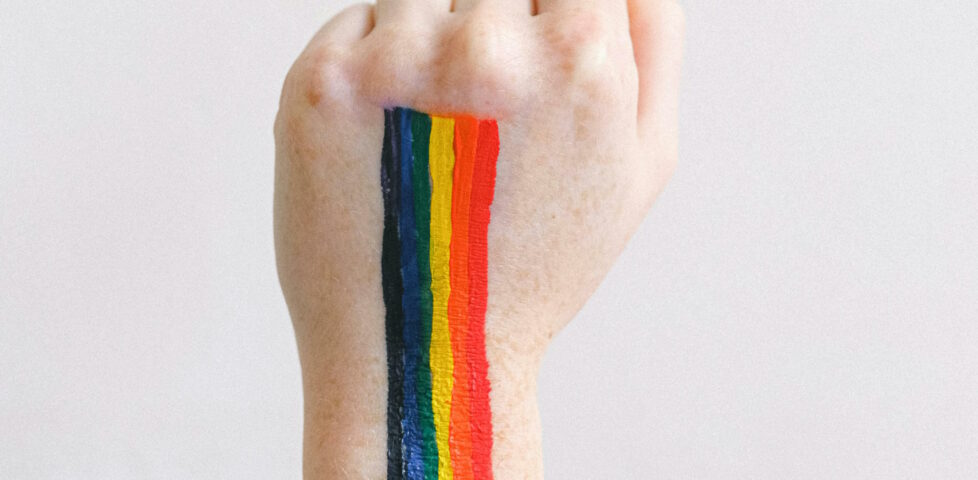
A pride rainbow painted down the back of a white person's first, held in the air.
As a country and as a society, we can do better than this.

With general elections coming up later this year, it’ll soon be time to start quizzing your candidates on the issues that matter to you. Even (perhaps especially) if your favourite isn’t the one who wins, it can be easiest to get a politicians’ ear when they and their teams are canvassing for your vote; so be sure to ask pointed questions about the things you care about.

I hope that you’ll agree that not telling teachers to conceal from teenagers the diversity of human identity and experience is something worth caring about.

Update: Only a couple of hours after I posted this, the awesome folks (whom I’ve mentioned before) at the Vagina Museum tooted a thread about the long tail of Section 28. It’s well-worth a read.

× × × ×

Inclusivity

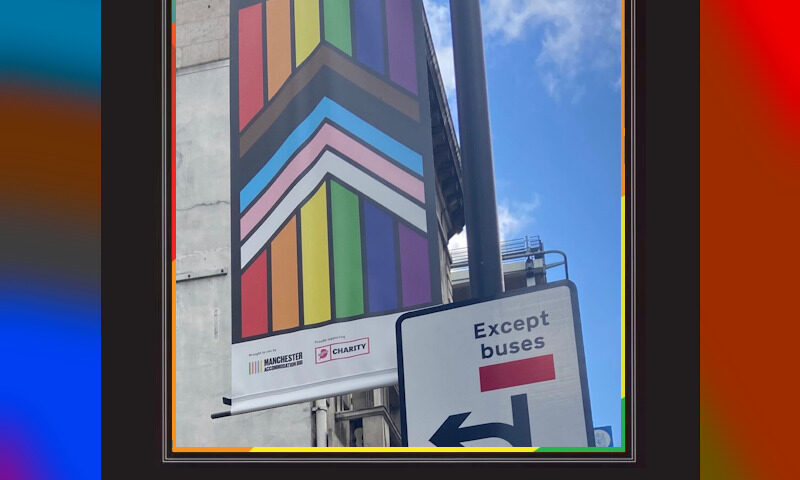
Motivational poster showing a photograph from a Manchester street. A Pride flag banner is hanging from a post with the words "everybody welcome" at the top. Nearby, attached to the same post, a road sign has the words "except buses". The poster is captioned with the word "inclusivity" (in pride colours), and subcaptioned "the 'B' is not for Buses". The joke is that the 'B' in LGBTQ+ stands for 'bisexual' and not 'buses', although of course the real meaning of that street sign is to ban everybody from driving straight ahead except buses, so the joke isn't perfect.

Max credit to garry (@repeattofade) for the original toot. All I did was adapt it into a motivational poster.

The thing I’m wondering is whether that bus lane is one that a bi-cyclist like me can use? 😂

×

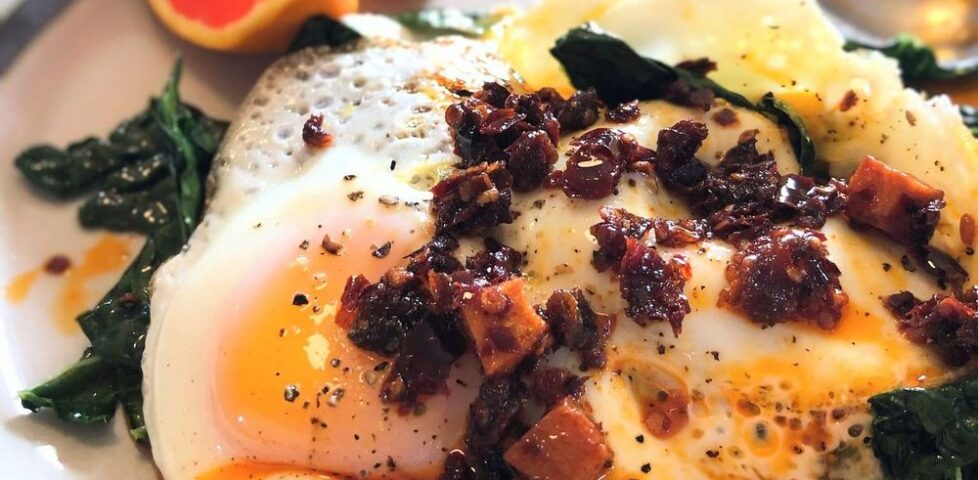
Making a Home of Each Other (The Eggs)

This is a repost promoting content originally published elsewhere. See more things Dan's reposted.

I dislike recipe posts that, before you get anywhere near the list of ingredients, tell you what feels like the entire life story of the author and their family.

“Every morning my mother would warm up the stove, and this was a wood-fired stove back in the day, and make these. We lived in Minnosota…” I don’t care. I can’t begin to tell you how much I don’t care. Just tell me how to make the damn muffins ‘cos the picture’s got me drooling.

This is different. This is the latest and so-far only exception. This, I care about:

When we moved into a house of our own, I bought us a tea kettle that whistled in harmony when it boiled. Rent was cheap, and we were happy. Those were the days of sweet potato hash, wilted kale, and increasingly exotic baked goods. There was the Me-Making-You-Tea-in-the-Morning-Because-You-Hated-Mornings Phase, but also the You-Making-Me-Tea-in-the-Morning-Because-You-Went-to-Work-at-5am Phase.

Lucy tells a story so rich and personal about her and her wife’s experience of life, cohabitation, food, and the beauty of everyday life. I haven’t even read the recipe for The Eggs, even though it sounds pretty delicious.

Over the years I’ve found words for people who have done what we’re doing now, but I’ve also found a deeper truth: our queer community doesn’t demand a definition. They know that chili oil can change a life just as much as a marriage. That love is in the making and unmaking of beds. The candlelit baths. The laughter. The proffered feast that nourishes.

Queerness makes room within it for these relationships, or rather: queerness spirals outward. It blooms and embraces. That is the process by which we broaden our palates, welcoming what might seem new to us, but which is actually older than we know.

It’s a great reminder about focussing on what’s important. About the value of an ally whether the world’s working with you or against you. And, of course, about how every relationship, no matter what shape, size, or form, can enjoy a little more queering once in a while. Go read it.