
Month: August 2026
-
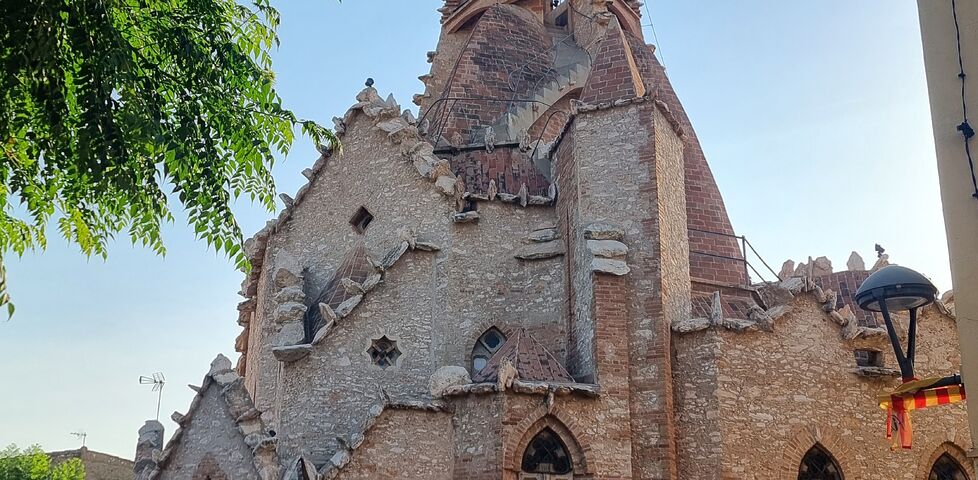
Found GC8D4H7 Benvinguts a Vistabella.
This checkin to GC8D4H7 Benvinguts a Vistabella. reflects a geocaching.com log entry. See more of Dan's cache logs. I had to work hard to find this one! In the end, my selfie-csmers helped me a lot, but what also helped was that I've seen (and hidden) containers of this type before. SL, TFTC, and greetings …
-
Found GC5QRR1 RAPOEB 35 fase llarga.
This checkin to GC5QRR1 RAPOEB 35 fase llarga. reflects a geocaching.com log entry. See more of Dan's cache logs. I startled a lizard while retrieving this good-sized cache. My trouser legs are now covered with burrs, from all the sticky plants underfoot. TFTC, and for this leg of the series; now it's time to explore …
-
Did not find GC5QGH5 RAPOEB 34 fase llarga.
This checkin to GC5QGH5 RAPOEB 34 fase llarga. reflects a geocaching.com log entry. See more of Dan's cache logs. Found a few good candidate hiding places here, but no cache. 😔
-
Found GC5QGGQ RAPOEB 33 fase llarga.
This checkin to GC5QGGQ RAPOEB 33 fase llarga. reflects a geocaching.com log entry. See more of Dan's cache logs. Another quick and easy find on this delightful trail. TFTC.
My original plan had been to turn around at this point and head back to La Secuita, but two things have changed my mind: 1. … -
Found GC5QGGE RAPOEB 32 fase llarga.
This checkin to GC5QGGE RAPOEB 32 fase llarga. reflects a geocaching.com log entry. See more of Dan's cache logs. A little further along this slightly-overgrown path and another quick find. Logbook has clearly been soaked and then dried out and is very hard to write on. TFTC, and greetings from Oxfordshire, UK!
-

Found GC5QGG3 RAPOEB 31 fase llarga.
This checkin to GC5QGG3 RAPOEB 31 fase llarga. reflects a geocaching.com log entry. See more of Dan's cache logs. I walked down the path from La Secuita to #30 but was unable to attempt it while a man and his dog were loitering there. So I pressed on to #31, and quickly found it. The …
-
Found GC6PF76 Benvinguts a la Secuita. La piscina.
This checkin to GC6PF76 Benvinguts a la Secuita. La piscina. reflects a geocaching.com log entry. See more of Dan's cache logs. Great cache, excellent container and hiding spot! After feeling around a few other places I soon worked out what I was looking for, and stealthily stretched to retrieve the cache. Two nearby men in …
-
Did not find GC6NY43 Benvinguts a la Secuita.
This checkin to GC6NY43 Benvinguts a la Secuita. reflects a geocaching.com log entry. See more of Dan's cache logs. From the coordinates and the hint the hiding place is pretty obvious, but I can confidently say that it's not there. 😢
-
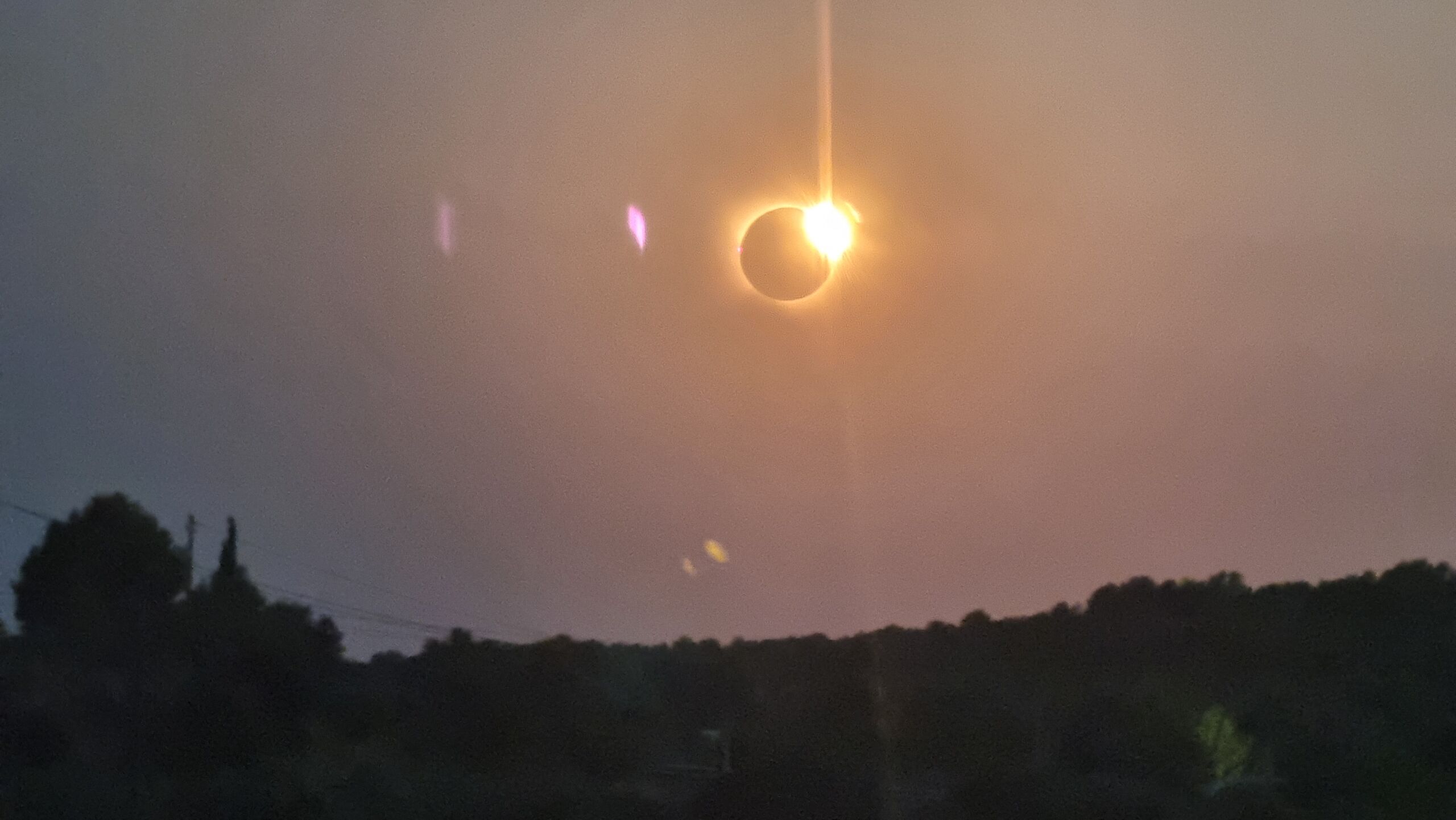
Well that was pretty spectacular. 🤩
Alt
Over the silhouette of hills, a total solar eclipse is just coming to an end, with a 'diamond ring' effect resulting from the sun's reappearance visible.
-
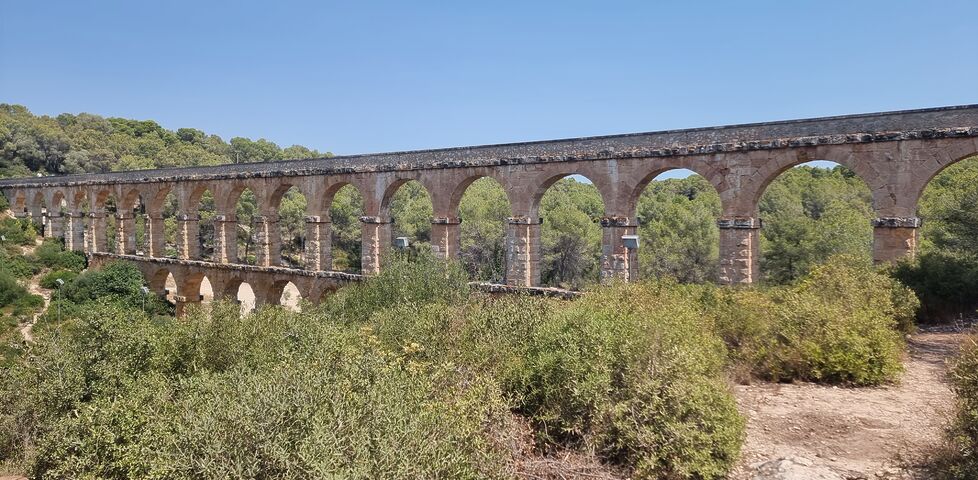
L'Aqüeducte Romà de les Ferreres
Of all the architecture with which the devil is (per legend) credited with the construction, L'Aqüeducte Romà de les Ferreres might be the most impressive.
Nice work, Satan.
-
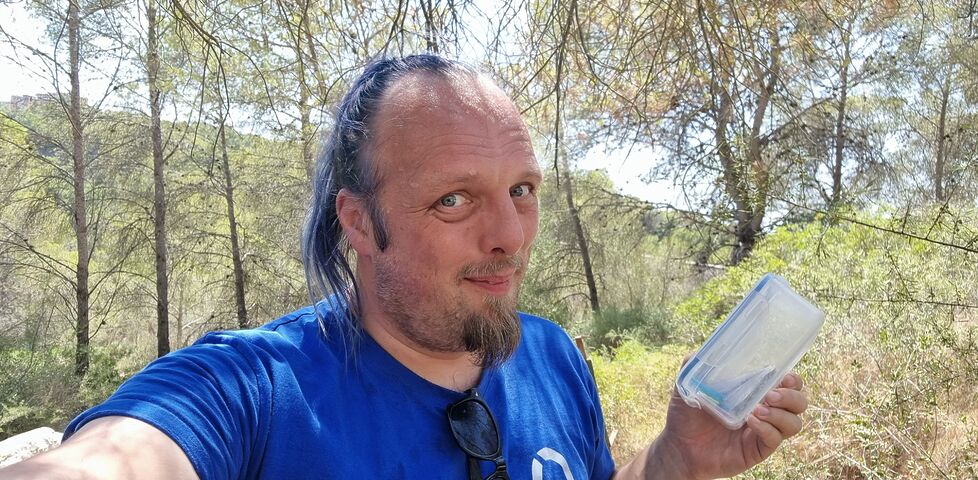
Found GC6603 Taragonna Aquaduct
This checkin to GC6603 Taragonna Aquaduct reflects a geocaching.com log entry. See more of Dan's cache logs. Quick and easy find while visiting this amazing monument with my family. A hot and sweaty jog to the GZ and soon the cache was found. TFTC!
AltDan, sweating, holds a medium-sized tupperware tub in a hilly … -
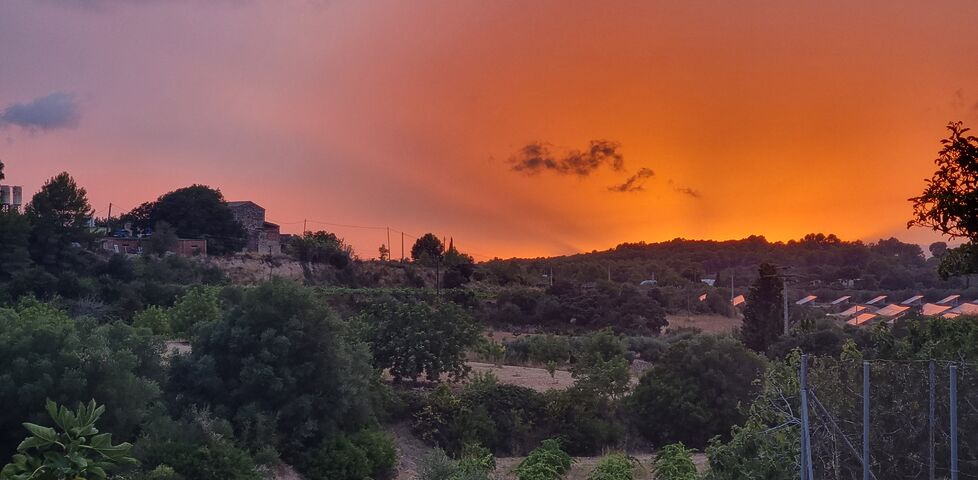
Casa Ventola
I'm spending the week on the East coast of Spain, hoping to see the imminent solar eclipse. And in the meantime, I've been finding local geocaches (including my thousandth!) and exploring the local sights with my family.
-
Did not find GC65QKN Benvinguts a Mas vilet dels pins
This checkin to GC65QKN Benvinguts a Mas vilet dels pins reflects a geocaching.com log entry. See more of Dan's cache logs. I spent a while looking at the obvious host, then checked the hint and moved to a series of alternate candidates. It's probably there, but not somewhere I could find! Eventually I felt too …
-

Found GC8ZYPV AMAGATALL MAS CARGOL - Camps
This checkin to GC8ZYPV AMAGATALL MAS CARGOL - Camps reflects a geocaching.com log entry. See more of Dan's cache logs. I've been doing what remains of the Ruta Pels Volants del Mars De Salort series of took a diversion to find this cache. The impressive host didn't need a hint - she's pretty easy to …
-
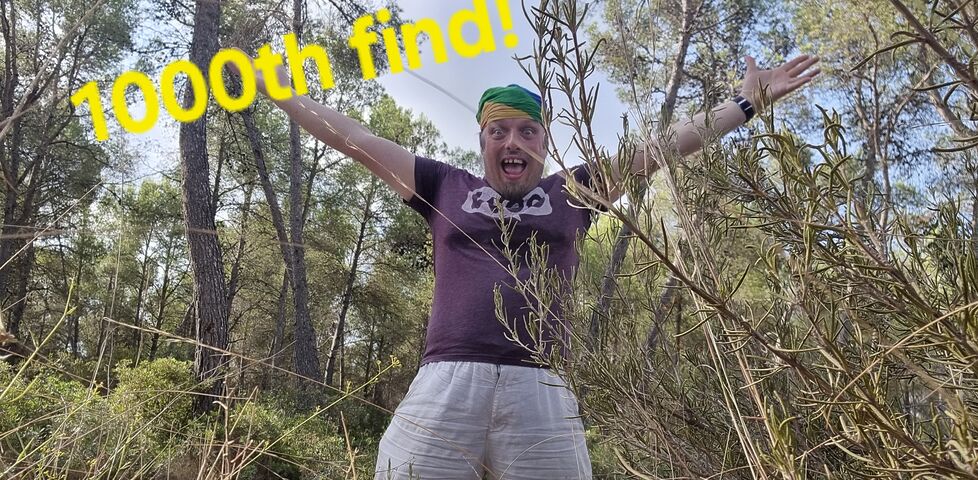
Found GC6QV1F #17 RUTA PELS VOLTANTS DEL MAS DE SALORT
This checkin to GC6QV1F #17 RUTA PELS VOLTANTS DEL MAS DE SALORT reflects a geocaching.com log entry. See more of Dan's cache logs. A quick and easy find in a now-familiar hide and container format.
And while perhaps not as memorable as my walk through the abandoned olive groves to find the damaged cache …